
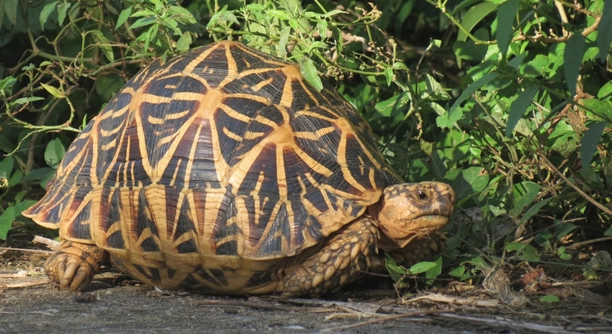
Turtles are fascinating creatures, and observing their behavior can be a fun way to learn more about them. If your turtle has been sleeping more than usual, it could be due to various reasons.
Turtles may sleep more than usual due to several factors such as temperature changes, seasonal shifts, stress, illness, or improper diet. Monitoring your turtle’s environment and health is key to ensuring they remain comfortable and active.
It’s important to understand these factors so you can provide the best care for your turtle. Keep reading to learn how you can help your pet stay healthy and lively.
Temperature and Seasonal Changes
Turtles are cold-blooded animals, which means they rely on their environment to regulate their body temperature. As the seasons change, your turtle might naturally become less active, sleeping more to conserve energy. During colder months, many turtles enter a period of dormancy called brumation, which is similar to hibernation. This is a normal behavior for many species, especially those living outdoors.
When the weather gets cooler, it’s important to make sure your turtle’s enclosure stays warm enough. If the temperature drops too low, it could cause your turtle to become sluggish or overly tired. Consider using a heat lamp to maintain a steady, comfortable temperature.
If your turtle lives indoors, try to keep its environment consistent. Sudden temperature fluctuations may stress your pet and cause changes in its sleeping patterns. Ensure your turtle has a warm area to bask, and avoid exposing it to drafts or direct, harsh air conditioning.
Stress and Changes in Environment
Stress can make your turtle sleep more than usual. If there have been changes in its living space, such as new decorations or loud noises, your turtle might feel unsettled.
Turtles are sensitive to changes, so even a new tank or a move to a different location could cause stress. It’s important to give your turtle time to adjust and keep its environment calm and quiet. Make sure it has a place to hide or retreat when it feels overwhelmed.
Too much interaction with people or other pets can also create anxiety. If your turtle is not used to constant handling, it may withdraw and sleep to avoid stress. A quiet, peaceful environment will help your turtle feel safe. Be patient and allow it to adjust slowly to its surroundings. The more comfortable your turtle feels, the less it will sleep out of stress.
Illness or Injury
If your turtle is sleeping more than usual, it could be a sign of illness or injury. Turtles often become lethargic when they’re not feeling well. Look for other signs like changes in appetite, unusual behavior, or swelling.
A sick turtle may sleep excessively to conserve energy as it fights off an infection or heals from an injury. Some common illnesses that cause lethargy include respiratory infections, shell rot, or parasites. If you notice any of these symptoms, it’s best to consult a vet experienced with reptiles. Ignoring the problem could lead to more serious health issues for your turtle.
Injuries can also make your turtle rest more than usual. If it’s hurt, the stress of injury can make it sleep longer. Check for any visible signs of injury, such as cuts or abrasions. A vet can help identify and treat injuries properly, allowing your turtle to recover more quickly.
Improper Diet
An improper diet can affect your turtle’s energy levels and make it sleep more than normal. A lack of essential nutrients can lead to lethargy, making your turtle less active and more likely to sleep.
Turtles need a balanced diet to stay healthy. Their diet should include a variety of greens, vegetables, and protein. A deficiency in calcium or vitamin A, for example, can lead to weakened bones and other health problems, which may cause your turtle to rest more than usual. Make sure to provide the proper food and supplement when necessary.
Too much protein can also make your turtle sluggish. While it’s important to offer some protein, it should be given in moderation. If you’re unsure about the right diet, a reptile vet can provide guidance to help you create a balanced meal plan that suits your turtle’s specific needs.
Overcrowding in the Tank
If there are too many turtles or other animals in your pet’s tank, it can cause stress. Overcrowding may lead to more sleep, as your turtle becomes overwhelmed.
A crowded tank may also limit access to food, light, and basking spots. These factors can lead your turtle to retreat into sleep to avoid competition. If possible, reduce the number of animals in the tank or increase its size to allow each pet enough space to thrive.
Lack of Proper Lighting
Proper lighting is essential for your turtle’s health. If it doesn’t have access to UVB light, it may become lethargic and sleep more. UVB light helps turtles produce vitamin D3, which is crucial for their bone health.
Without UVB light, turtles can develop metabolic bone disease, causing weakness and fatigue. This leads to more resting and less activity. Ensure your turtle has access to both UVA and UVB light for about 10-12 hours daily, especially if it lives indoors. A proper light setup encourages your turtle to stay active and healthy.
Mating Season
Turtles may sleep more during their mating season. This is a natural behavior, as they conserve energy for reproduction.
If your turtle is in breeding season, expect some changes in its sleeping patterns. Female turtles may sleep more while conserving energy for egg production. Males might also reduce activity due to a lack of interest in eating or basking during this time.
FAQ
Why is my turtle sleeping so much?
If your turtle is sleeping more than usual, it could be due to a number of factors. Changes in temperature, such as cooler weather, can trigger brumation (a hibernation-like state). It’s also possible that your turtle is stressed, sick, or injured. You should check for any signs of illness, such as changes in appetite, breathing issues, or shell problems. Ensure the environment is suitable, with proper lighting, temperature, and space, as these factors can affect your turtle’s activity levels.
How can I tell if my turtle is sick?
A sick turtle may show several signs. Common symptoms include a lack of appetite, sluggishness, labored breathing, swollen eyes, or changes in its shell, like discoloration or soft spots. If you notice any of these signs, it’s important to consult a vet specializing in reptiles. Infections and parasites can make turtles lethargic and more likely to sleep. Early intervention can help ensure a quick recovery.
Can my turtle’s diet affect how much it sleeps?
Yes, your turtle’s diet plays a major role in its energy levels. An improper diet can lead to deficiencies in important vitamins and minerals, making your turtle feel weak and lethargic. A lack of calcium, vitamin A, or other essential nutrients can lead to sleepiness and other health issues. Ensure your turtle is eating a balanced diet with a variety of vegetables, fruits, and protein. If you’re unsure about the proper diet, a reptile vet can provide guidance on what foods are best for your specific type of turtle.
What temperature should my turtle’s tank be?
Turtles are cold-blooded, so maintaining the right temperature in their tank is crucial. During the day, the water temperature should be between 75-80°F (24-27°C). The basking area should be between 85-90°F (29-32°C). At night, the water temperature can drop slightly, but it should never fall below 70°F (21°C). If the temperature is too cold, your turtle may become lethargic and sleep more than usual. Make sure you have a reliable thermometer and heating elements to maintain these conditions.
Does my turtle need UVB light?
Yes, UVB light is essential for your turtle’s health. Without it, your turtle may develop metabolic bone disease, which leads to weakness, lethargy, and increased sleep. UVB light helps turtles synthesize vitamin D3, which is important for calcium absorption and bone health. Make sure your turtle has access to both UVA and UVB light for 10-12 hours each day, especially if it’s kept indoors.
Can stress cause my turtle to sleep more?
Yes, stress can make your turtle sleep more. Turtles are sensitive creatures, and sudden changes in their environment can cause them to become anxious or overwhelmed. Overcrowding, loud noises, or even too much handling can increase stress levels. If your turtle feels stressed, it may sleep excessively to escape the discomfort. To reduce stress, create a calm, quiet environment for your turtle with enough space, hiding spots, and minimal handling.
Why is my turtle sleeping all day and night?
If your turtle is sleeping both day and night, it could be due to a combination of factors. It might be too cold in its tank, especially if it’s not getting enough heat or UVB light. It could also be stressed or unwell. A lack of proper diet can also contribute to lethargy. Check the tank’s temperature, ensure proper lighting, and observe any changes in your turtle’s behavior. If the sleepiness persists, a vet visit may be necessary to rule out illness.
Is my turtle going to be okay if it’s sleeping a lot?
Sleeping a lot can be normal for a turtle, especially during seasonal changes like brumation. However, if the sleep seems excessive or is accompanied by other signs of illness (like changes in appetite or behavior), it’s a good idea to have your turtle checked by a vet. Addressing environmental factors like temperature, light, and diet can often resolve the issue. If your turtle is still sleeping excessively despite changes in care, it could indicate a deeper health issue.
How can I help my turtle if it’s sleeping too much?
To help your turtle, first ensure that its environment is suitable. Make sure the tank is the right temperature, and it has access to UVB lighting. Double-check its diet to ensure it’s getting all the essential nutrients. Avoid overcrowding and provide plenty of hiding spots to reduce stress. If your turtle is still sleeping a lot after making these adjustments, it may be necessary to consult a vet to rule out illness or injury.
Can my turtle be too old to be active?
As turtles age, they naturally slow down and may sleep more. Older turtles may spend more time resting, especially if they are no longer as active as they once were. However, it’s important to differentiate between normal aging and health issues. If your older turtle is sleeping excessively or shows signs of illness, it’s always best to seek advice from a reptile vet.
Final Thoughts
Understanding why your turtle may be sleeping more than usual is crucial to ensuring its health and well-being. There are several factors that can contribute to increased sleep, including changes in temperature, seasonal shifts, diet, stress, and possible illness. As cold-blooded animals, turtles rely on their environment to regulate their body temperature, so if the temperature in their tank isn’t optimal, they may become lethargic and sleep more. Similarly, as the seasons change, some species naturally go into a state of dormancy called brumation, which can cause them to sleep longer.
When it comes to diet, it’s important to provide a balanced and varied meal plan. Nutritional deficiencies, such as a lack of calcium or vitamin A, can leave your turtle feeling weak and sluggish, causing it to sleep more often. If your turtle is not eating properly, it’s a good idea to review its diet and make sure it’s getting the right foods. Protein should be offered in moderation, and a mix of vegetables and fruits is key to maintaining a healthy balance. If you are unsure about what to feed your turtle, a reptile vet can offer advice on the best diet for your specific species.
Lastly, stress is a significant factor that can lead to increased sleep. Turtles are sensitive creatures, and environmental changes such as overcrowding, excessive noise, or too much handling can cause them to become stressed and sleep to escape the discomfort. To keep your turtle healthy, make sure it has a quiet and comfortable space to retreat to when needed. Avoid crowding the tank and try to minimize sudden changes to its environment. If your turtle continues to sleep excessively despite taking these precautions, it may be time to consult a vet to rule out any health concerns. By monitoring your turtle’s behavior and providing the right care, you can help ensure it stays active, happy, and healthy.

Hello,
If you enjoy the content that we create, please consider saying a "Thank You!" by leaving a tip.
Every little bit helps us continue crafting quality advice that supports the health, happiness, and well-being of pets around the world, for pets of all shapes, sizes, and species.
We really appreciate the kindness and support that you show us!