
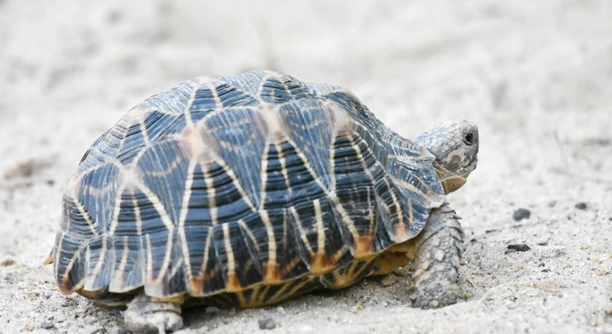
Turtles are fascinating creatures, and many owners enjoy observing their unique behaviors. However, if you’ve noticed your turtle shaking its head, it can be concerning. Understanding why this happens can help you ensure your turtle’s well-being.
Turtles often shake their heads as a sign of stress, illness, or discomfort. It can also be due to respiratory infections, poor water quality, or even an attempt to clear debris from their nostrils or eyes.
By identifying the cause of your turtle’s head shaking, you can take the necessary steps to improve its health. This article will walk you through the common reasons behind this behavior and what you can do about it.
Common Causes of Head Shaking in Turtles
Head shaking in turtles is often a sign of something affecting their health or comfort. One of the most common reasons is respiratory infection, which causes the turtle to shake its head in an attempt to clear its nostrils or throat. Other health issues like ear infections or parasites can also lead to this behavior.
Another reason might be environmental stress. Poor water quality, improper temperatures, or overcrowded living spaces can make your turtle uncomfortable, resulting in head shaking. It’s important to regularly check water conditions and ensure your turtle has enough space to thrive.
Turtles may also shake their heads to clear debris from their eyes or nostrils. This can happen when they are exposed to excessive dirt or algae in the water. Keep your turtle’s habitat clean to prevent this issue. Understanding the causes behind head shaking can help you take the right steps toward providing a better living environment.
How to Identify Respiratory Infections
Respiratory infections are one of the most common reasons for head shaking. They are often caused by bacteria or viruses in the water, making it essential to maintain clean water.
If you notice additional symptoms like wheezing, discharge from the nose or mouth, or lethargy, a respiratory infection could be the issue. It’s important to act quickly, as untreated infections can become serious. Check your turtle’s water temperature, as cold water can make infections worse. A trip to the vet is usually necessary to get proper treatment.
Providing a proper habitat with clean, warm water helps prevent respiratory issues. Keeping your turtle’s environment stable can significantly reduce the chances of illness. Regular monitoring and care are essential for long-term health.
Poor Water Quality and Its Effects
Poor water quality is one of the most common issues that lead to head shaking in turtles. Dirty water can harbor bacteria, algae, and other irritants that can cause discomfort. Over time, these conditions can lead to respiratory problems or infections. Regular water changes are essential for preventing such issues.
You should check the water’s pH levels, temperature, and clarity. If the water is cloudy or smells bad, it might indicate a problem. A proper filtration system can help keep the water clean. Without it, harmful toxins and bacteria can build up, causing your turtle to react by shaking its head.
To maintain clean water, aim to change about 25-30% of the water weekly. Also, remove leftover food and debris daily. Investing in a good filtration system and regularly testing the water will ensure your turtle is living in a healthy environment. A clean tank helps reduce the risk of infections and promotes overall well-being.
Ear Infections and Their Impact
Head shaking can sometimes be linked to ear infections in turtles. Ear infections occur when bacteria or other pathogens enter the ear canal, causing irritation and discomfort. If your turtle is shaking its head frequently, it might be trying to alleviate the discomfort caused by an ear infection.
Turtles rely heavily on their ears for balance, and an infection can disrupt this function. You may also notice swelling or discharge around the ears if an infection is present. It’s important to examine the turtle closely to check for visible signs of infection, such as redness or fluid.
Ear infections can be treated with veterinary care. A vet might prescribe antibiotics or suggest cleaning the area if necessary. To avoid ear infections, ensure your turtle’s habitat remains clean and free of bacteria. Regular monitoring can catch issues early before they become more serious.
Temperature Issues and Stress
Turtles are sensitive to temperature changes, and both water and air temperature should be kept at the right levels. If the water is too cold or too warm, your turtle may start to show signs of stress, including head shaking. Proper temperature regulation is crucial.
Ensure the water temperature is around 75-80°F, while the basking area should be around 85-90°F. If the temperature fluctuates too much, it can make your turtle uncomfortable, leading to head shaking and other symptoms of stress. Keeping a consistent environment is key to a happy and healthy turtle.
Regularly check both the water and air temperatures with reliable thermometers. If the tank’s temperature is not ideal, consider using a heater or adjusting the lighting. Stable conditions promote better overall health and prevent unnecessary stress for your turtle.
Parasites and Other Health Concerns
Parasites can also be a reason why your turtle is shaking its head. External parasites like mites or internal ones such as worms can cause discomfort, leading to unusual behaviors like head shaking. If parasites are present, your turtle might also appear lethargic or have a reduced appetite.
You can prevent parasitic infections by keeping your turtle’s environment clean and regularly checking for signs of parasites. If you suspect your turtle has parasites, consult a vet. Treatment typically involves medication to eliminate the parasites and restore your turtle’s health. Always act quickly to avoid long-term health issues.
FAQ
Why is my turtle shaking its head?
Head shaking in turtles can occur for several reasons, including respiratory infections, ear infections, poor water quality, or temperature stress. It may also be a sign that your turtle is trying to clear its nostrils or eyes. If the shaking is persistent, it’s important to check your turtle’s environment and overall health. Keeping the tank clean and ensuring the water and temperature are within the right range can help reduce stress and prevent health issues. If head shaking continues, a visit to the vet is recommended to rule out infections or other serious conditions.
How can I tell if my turtle has a respiratory infection?
Symptoms of a respiratory infection in turtles include head shaking, wheezing, bubbling or discharge from the nose, and a lack of appetite. Your turtle may also become lethargic and spend more time at the bottom of the tank. If you notice these signs, it’s crucial to address the issue as soon as possible. Poor water quality and cold temperatures can exacerbate respiratory infections, so keeping the tank clean and warm is essential. If symptoms persist, take your turtle to a vet for a proper diagnosis and treatment plan.
Can head shaking be a sign of an ear infection?
Yes, head shaking can also indicate an ear infection. Turtles are susceptible to ear infections caused by bacteria or poor water quality. In addition to head shaking, other signs include swelling or discharge near the ears, difficulty swimming, or imbalance. If you notice these symptoms, it’s important to get your turtle checked by a vet. They may need antibiotics or other treatments to clear the infection and prevent further complications. Keeping your turtle’s habitat clean can help prevent ear infections from occurring in the first place.
How do I maintain the right water quality for my turtle?
To maintain the right water quality, regular water changes are essential. It’s recommended to change 25-30% of the water weekly to keep it fresh and free of toxins. Use a good filtration system that can handle the size of your turtle’s tank. Test the water’s pH, ammonia, and nitrate levels regularly to ensure they are within safe ranges. Additionally, remove any leftover food and waste daily to prevent water contamination. A clean environment reduces the risk of respiratory infections and other health issues in your turtle.
What temperature should I keep the water and basking area for my turtle?
The ideal water temperature for most turtles is between 75-80°F, while the basking area should be around 85-90°F. If the water is too cold or too warm, your turtle may become stressed, leading to head shaking and other behavioral changes. Invest in a reliable water heater to keep the water at a stable temperature. A thermometer should be used in both the water and the basking area to monitor temperatures accurately. Consistency is key when it comes to temperature, as fluctuations can cause health problems for your turtle.
How can I prevent my turtle from getting parasites?
The best way to prevent parasites is to keep your turtle’s environment clean and provide proper care. Regularly change the water and clean the tank to remove any dirt, bacteria, or algae that could harbor parasites. Be mindful of any new turtles or animals you introduce into the tank, as they may carry parasites. Also, ensure your turtle’s diet consists of appropriate food to avoid introducing parasites through contaminated food. If you suspect your turtle has parasites, consult a vet for treatment and advice on how to maintain a parasite-free environment.
Can stress cause head shaking in turtles?
Yes, stress can cause head shaking in turtles. Factors such as overcrowding, poor water conditions, and incorrect temperatures can stress your turtle, leading to abnormal behaviors. Stress affects a turtle’s overall well-being and can weaken its immune system, making it more prone to illness. To reduce stress, make sure your turtle has enough space to move around, clean water, and proper temperatures. Creating a calm and stable environment will help keep your turtle healthy and prevent stress-related behaviors like head shaking.
How often should I clean my turtle’s tank?
You should clean your turtle’s tank regularly to maintain good water quality. Perform partial water changes weekly, changing about 25-30% of the water. A full tank cleaning should be done every month to remove algae buildup, waste, and debris from the bottom of the tank. Clean the filter regularly and remove any leftover food or waste daily to keep the water clear. A clean environment is essential for your turtle’s health and can help prevent issues like head shaking and other signs of illness.
Is it normal for my turtle to shake its head occasionally?
Occasional head shaking is normal for turtles and can happen when they are trying to clear debris from their eyes or nostrils. However, if the head shaking is persistent or accompanied by other symptoms such as lethargy, discharge, or loss of appetite, it could indicate an underlying health issue like an infection or stress. Pay attention to the frequency and duration of the head shaking and monitor your turtle’s overall behavior. If the problem persists, it’s best to consult a vet for further evaluation.
When should I take my turtle to the vet?
You should take your turtle to the vet if it shows persistent signs of illness, such as excessive head shaking, difficulty swimming, swelling around the eyes or ears, loss of appetite, or unusual behavior. If the turtle’s condition doesn’t improve with environmental changes or if symptoms worsen, a vet’s diagnosis is necessary. A vet will help identify the cause of the symptoms and recommend appropriate treatment. Regular vet check-ups are also a good way to ensure your turtle remains healthy, especially if you notice any signs of distress.
Final Thoughts
Head shaking in turtles can be a sign of several different issues, from stress and temperature changes to infections or poor water quality. While occasional head shaking is normal for turtles, consistent or severe shaking is usually a sign that something might be wrong. It’s important to observe your turtle closely, check its environment, and consider any other symptoms. Taking the time to monitor water conditions, temperature, and cleanliness can often prevent many common issues that lead to health problems.
If the shaking continues, it’s essential to pay attention to other signs, such as discharge, swelling, lethargy, or changes in appetite. These can all indicate that your turtle is dealing with a respiratory infection, ear infection, or even parasites. Regular vet visits are key to catching issues early, ensuring your turtle remains healthy. In many cases, proper care, a clean environment, and a balanced diet can prevent most of these health concerns. The goal is to create a stable, stress-free habitat for your turtle to thrive in.
By being proactive about your turtle’s care, you can avoid many of the issues that lead to head shaking and other health problems. Small changes like maintaining clean water, ensuring proper heating, and providing adequate space can make a big difference in your turtle’s well-being. While it can be concerning when your turtle shakes its head, understanding the causes and acting promptly can help you ensure its long-term health. With the right care and attention, your turtle can live a happy, healthy life without frequent health concerns.

Hello,
If you enjoy the content that we create, please consider saying a "Thank You!" by leaving a tip.
Every little bit helps us continue crafting quality advice that supports the health, happiness, and well-being of pets around the world, for pets of all shapes, sizes, and species.
We really appreciate the kindness and support that you show us!