
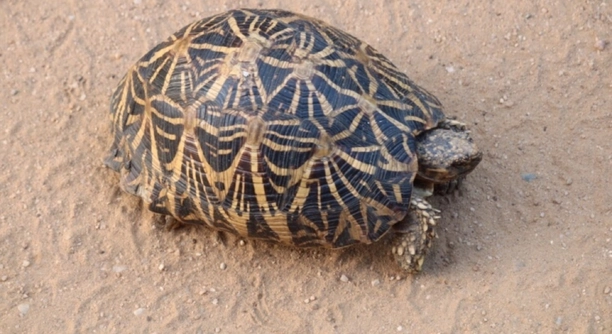
Turtle eye swelling can be concerning for any pet owner. Understanding the potential causes behind this issue is important for ensuring their health and comfort. By identifying the reasons early, you can provide the best care possible.
Several factors can cause your turtle’s eyes to swell, including poor water quality, improper diet, infections, and injuries. A lack of proper lighting and humidity levels may also contribute to this condition, requiring prompt attention.
Taking proper care of your turtle can prevent these issues and help keep their eyes healthy. Understanding the causes and what steps to take can be very beneficial for your pet’s well-being.
Poor Water Quality
Turtles spend most of their time in water, making the water quality one of the most important factors for their health. Dirty or polluted water can irritate their eyes, leading to swelling or even infections. If the water is not filtered or changed regularly, it can become a breeding ground for bacteria and algae, which can harm your turtle’s delicate eyes. Additionally, chlorinated water can cause irritation, so it’s important to use water that is safe and clean.
Regular water changes and a good filtration system are essential. Testing the water for harmful chemicals like ammonia and nitrates is also crucial. If the water’s pH level or temperature is off, it can affect your turtle’s health, causing stress or even eye problems. Be sure to monitor these factors closely to avoid long-term damage.
Cleaning your turtle’s habitat will prevent many health issues. Ensuring that their living environment is safe and comfortable will keep them happy and reduce the risk of eye swelling.
Improper Diet
A poor diet can also lead to swollen eyes in turtles. If they are not getting the right balance of nutrients, their immune system can weaken, making them more vulnerable to infections. Feeding them the wrong foods can cause deficiencies in vitamins and minerals, especially Vitamin A, which is essential for eye health.
Vitamin A is crucial for maintaining healthy skin and eyes. A lack of this vitamin can lead to swelling, infection, or even blindness in turtles. Offering a variety of leafy greens, vegetables, and high-quality pellets will ensure they get the nutrients they need.
Infections
Turtles are susceptible to various infections, which can lead to swollen eyes. Bacterial, viral, or fungal infections may cause their eyes to swell and become red or cloudy. These infections often occur when turtles are exposed to poor water conditions or stressed due to an inadequate environment.
Infections can also develop from injuries or cuts around the eyes. If the water is contaminated with bacteria, these wounds can become infected quickly. If left untreated, infections can cause serious damage to your turtle’s vision and overall health.
To prevent infections, ensure the water stays clean, and monitor for any signs of injury. If you notice signs of swelling or discharge from the eyes, it’s best to seek veterinary care for proper treatment. Regular check-ups can help catch infections early and prevent more serious issues from developing.
Improper Lighting and Humidity
Turtles require specific lighting and humidity levels to thrive. If they don’t get enough UVB light, their immune system can weaken, making them more prone to eye infections and swelling. Similarly, inadequate humidity can lead to dehydration, affecting their overall health.
Turtles need UVB light to process vitamin D3 and calcium, both vital for bone and immune system health. Without proper exposure to UVB, turtles may develop health problems, including swollen eyes. Ensure they have access to natural sunlight or artificial UVB bulbs. If the tank is too dry, consider adding a humidity system to regulate moisture levels. This will help prevent dehydration, which can also lead to eye issues.
A proper setup that includes adequate lighting and humidity will support your turtle’s health. Keeping the tank environment balanced is essential to avoid unnecessary stress on their immune system and eyes.
Injury or Trauma
Turtles can accidentally injure themselves, leading to swelling around their eyes. This can happen during interactions with other turtles or rough handling. Any physical trauma to the eye area should be treated promptly to avoid further complications.
If you suspect an injury, check for redness, swelling, or cuts around the eye. Keeping the turtle in a clean environment can help prevent infection in the affected area. Minor injuries can heal on their own, but more severe cases may need veterinary attention.
Be cautious when handling your turtle to avoid stressing them or causing harm. Proper care will help prevent injuries and support faster healing.
Stress
Turtles are sensitive creatures, and stress can negatively affect their health, including eye swelling. Stressors like overcrowding, abrupt temperature changes, or improper tank conditions can weaken their immune system.
Providing a calm, stable environment will help reduce stress. Regularly check water quality, temperature, and lighting to ensure it’s comfortable for your turtle. Reducing stress will help prevent eye swelling and support their overall well-being.
A relaxed and healthy turtle is less likely to develop eye issues, making a stress-free environment essential for their care.
FAQ
What are the most common causes of swollen eyes in turtles?
Swollen eyes in turtles are often caused by poor water quality, an improper diet, infections, or improper lighting and humidity. Stress and physical trauma can also contribute to eye swelling. Regular tank maintenance, a balanced diet, and proper care can help prevent many of these issues.
How can I tell if my turtle’s eye swelling is serious?
If the swelling persists for more than a day or worsens, it could be a sign of an infection or injury that requires attention. Look for other symptoms like discharge, cloudiness, or redness around the eye. If the turtle is lethargic, not eating, or seems in pain, it’s time to consult a vet.
Can poor water quality really cause eye problems in turtles?
Yes, dirty or polluted water can irritate your turtle’s eyes, causing swelling or infections. Bacteria and algae thrive in unclean water, which can lead to eye issues. Regular water changes, filtration, and monitoring for ammonia and nitrates are essential to keeping your turtle’s environment safe and healthy.
What type of lighting does my turtle need to stay healthy?
Turtles need access to UVB lighting to help them process vitamin D3 and calcium. This is crucial for their immune system and bone health. A proper UVB light bulb should be placed over the basking area for about 10–12 hours a day. Without this light, your turtle may suffer from eye swelling and other health issues.
How do I treat a turtle’s swollen eye at home?
If you notice mild swelling, you can try adjusting the tank’s water quality, temperature, and lighting. Ensure your turtle is getting a balanced diet with proper vitamins, especially Vitamin A. However, if there is discharge, redness, or the swelling doesn’t improve, it’s best to take your turtle to a vet.
Can a poor diet cause eye problems in turtles?
Yes, a diet lacking essential nutrients like Vitamin A can lead to eye problems. Vitamin A is vital for maintaining healthy eyes and skin. Turtles should be fed a variety of leafy greens, vegetables, and high-quality pellets that are rich in essential nutrients to avoid deficiencies that could lead to swollen eyes.
What should I do if my turtle is stressed?
If your turtle is stressed, first check its environment. Ensure the tank is large enough, the temperature and humidity levels are appropriate, and the water is clean. Overcrowding or sudden temperature changes can be stressful for turtles. Reducing stress will help prevent swelling and promote overall health.
Can stress cause eye swelling in turtles?
Yes, stress can weaken your turtle’s immune system, making it more vulnerable to infections, including those that cause eye swelling. Stress from overcrowding, poor tank conditions, or even frequent handling can lead to various health problems, including swollen eyes. A stable, quiet environment will reduce stress and help keep your turtle healthy.
How do I know if my turtle’s eye swelling is due to an infection?
Infection-related swelling often comes with other signs, like redness, discharge, or cloudiness in the eye. If your turtle is rubbing its eyes, showing discomfort, or seems lethargic, it might be infected. A vet can provide the proper treatment to clear up any infection and prevent further damage.
Can other turtles cause eye injury to my pet?
Yes, interactions between turtles, especially if they are not compatible, can result in physical injuries. Bites or scratches around the eye area may lead to swelling or infection. If you notice aggression or injury from another turtle, it’s important to separate them and provide a healing environment.
How often should I clean my turtle’s tank?
A turtle’s tank should be cleaned regularly to prevent buildup of harmful bacteria and debris. Perform partial water changes every week and clean the tank thoroughly once a month. This helps maintain water quality and reduces the risk of infections that can cause eye swelling.
Can turtles get eye infections from other animals?
Yes, turtles can contract eye infections from other animals, particularly if they share their habitat with other pets. For example, bacteria from other pets like fish, amphibians, or even humans can be transferred to the turtle’s eyes. Make sure all animals in the tank are healthy and practice good hygiene to reduce the risk of cross-contamination.
How can I ensure my turtle is getting enough Vitamin A?
To ensure your turtle is getting enough Vitamin A, feed it a variety of dark leafy greens, such as collard greens, dandelion greens, and kale. Carrots, sweet potatoes, and bell peppers are also good sources. A well-balanced diet with these foods will help prevent eye swelling related to Vitamin A deficiency.
Can dehydration cause eye swelling in turtles?
Yes, dehydration can affect a turtle’s overall health, including causing swelling in the eyes. Ensure your turtle has access to clean water at all times, and if your turtle is dehydrated, you may need to offer a soak in warm, shallow water. Proper humidity levels are also important to prevent dehydration.
Is it possible to prevent eye swelling in turtles?
Yes, many cases of eye swelling can be prevented by maintaining clean water, providing a proper diet, and ensuring your turtle has the right lighting and humidity. Regular monitoring of the tank’s environment and addressing any issues quickly will help keep your turtle’s eyes healthy.
Final Thoughts
Taking care of your turtle’s eyes is an important part of keeping them healthy. Eye swelling is a common issue, but with the right care, it can often be prevented or treated. The most common causes of swollen eyes in turtles include poor water quality, improper diet, infections, and stress. Ensuring that your turtle’s habitat is clean, their diet is balanced, and they have access to proper lighting can make a big difference in preventing eye problems. If you notice any signs of eye swelling, addressing the issue quickly can help avoid more serious health complications.
A proper diet is essential for your turtle’s overall health, including eye care. Vitamin A plays a vital role in maintaining healthy eyes, and a lack of this vitamin can lead to swelling and other issues. Offering a variety of vegetables, leafy greens, and high-quality turtle food will help keep your turtle nourished. It’s also important to monitor their environment, especially the water quality and temperature. Regular water changes, proper filtration, and maintaining the right humidity levels can help reduce the risk of eye infections and other health concerns. Keeping your turtle’s living space clean and comfortable will also reduce stress, which can weaken their immune system and contribute to eye swelling.
If your turtle does experience swollen eyes, it’s important to pay attention to any additional symptoms, such as discharge, cloudiness, or redness. These could be signs of an infection that may require medical attention. It’s always best to consult a veterinarian if you’re unsure about the cause of the eye swelling. With early intervention and proper care, most eye problems can be managed effectively. By understanding the factors that affect your turtle’s eye health, you can take steps to ensure that your pet stays happy, healthy, and free from eye swelling.

Hello,
If you enjoy the content that we create, please consider saying a "Thank You!" by leaving a tip.
Every little bit helps us continue crafting quality advice that supports the health, happiness, and well-being of pets around the world, for pets of all shapes, sizes, and species.
We really appreciate the kindness and support that you show us!