
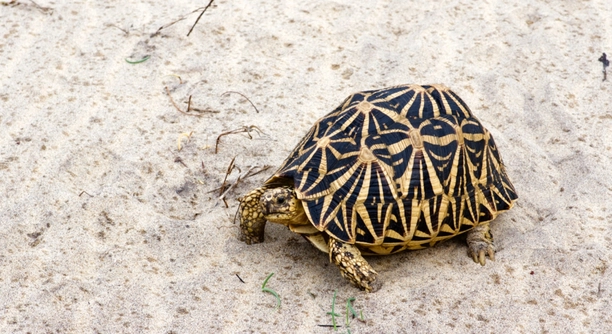
Turtles need clean, fresh water to stay healthy. Providing the right kind of water can be a little tricky, but with the right knowledge, it becomes much easier. Understanding how to meet their needs is key.
To provide freshwater for your turtle, ensure you offer a water source that is filtered, clean, and at an appropriate temperature. Regular water changes, proper filtration, and ensuring the water is free from chemicals are essential for turtle health.
By following a few simple steps, you can create the best environment for your turtle’s hydration. We’ll walk through several easy ways to ensure your turtle always has access to fresh, clean water.
1. Use a Quality Water Filter
A good water filter is one of the best ways to provide fresh water for your turtle. Turtles need water that is free of harmful chemicals and waste. A water filter helps to clean the water and remove impurities that can harm your turtle’s health. Regular tap water can contain chlorine and other chemicals that can cause skin problems and respiratory issues for your turtle. A proper filter system will also remove debris and excess food from the water, preventing bacterial growth that could make your turtle sick.
Using a filter ensures the water remains clean for a longer time. Filters help reduce the frequency of water changes. It’s important to choose a filter that suits your turtle’s tank size. Make sure the filter’s flow rate is appropriate, as turtles don’t like fast-moving water. By investing in a quality filter, you can maintain a healthy aquatic environment for your turtle.
When selecting a filter, look for one that’s easy to maintain and clean. Regular maintenance of the filter is necessary to keep it working efficiently. Check the filter often to ensure it’s not clogged or broken. If the filter starts to show signs of wear, replace it promptly. Keeping the filter in good condition will prevent any build-up of harmful substances that could negatively impact your turtle’s health.
2. Change Water Regularly
Changing the water regularly is essential to keep it fresh and free from harmful substances. Even with a good filter, the water still needs to be replaced periodically.
Frequent water changes prevent the accumulation of waste, algae, and bacteria. You should aim to change 20-30% of the water once a week. By doing this, the water stays clean, and the risk of illness is reduced. This also keeps the environment stable for your turtle, making sure it doesn’t experience sudden fluctuations in water quality.
It’s important to use water that is at the right temperature when replacing it. Cold water can shock your turtle, and water that’s too hot can cause stress. Always check the water temperature before refilling the tank. Additionally, make sure the new water is dechlorinated. You can use a water conditioner to neutralize chlorine, making the water safe for your turtle. If you’re unsure about the water quality, it’s a good idea to invest in a water testing kit to monitor parameters like pH, ammonia, and nitrate levels.
3. Maintain the Right Water Temperature
Water temperature is crucial for your turtle’s health. If the water is too cold, your turtle may become sluggish, and if it’s too warm, it can cause stress. Aim for water temperatures between 72-80°F (22-27°C).
To maintain the right temperature, you can use a submersible aquarium heater. A good heater will help keep the water consistent and comfortable for your turtle. Make sure the heater is suitable for the size of your tank. Always check the water temperature with a thermometer to ensure it stays within the ideal range. If the tank is in a cold room, you might need a more powerful heater.
Temperature fluctuations can harm your turtle’s immune system, making it more susceptible to diseases. A stable environment supports their overall well-being and encourages natural behaviors. Keep in mind that different turtle species may have slightly different temperature needs, so research your turtle’s specific requirements. Don’t forget to monitor the water temperature regularly, especially during colder months or when there’s a change in your home’s temperature.
4. Use Dechlorinated Water
Chlorine is harmful to turtles and should be removed from their water. Dechlorinated water provides a safer, healthier environment for your turtle.
You can easily dechlorinate tap water by letting it sit for 24-48 hours before adding it to the tank. Alternatively, use a water conditioner that neutralizes chlorine and chloramine, chemicals commonly found in municipal water. The conditioner ensures the water is safe for your turtle to swim and drink.
It’s essential to use only dechlorinated water for water changes and topping off the tank. Chlorine can irritate your turtle’s skin, eyes, and respiratory system, leading to infections or other health issues. If you don’t have access to a water conditioner, consider using bottled water as an alternative, though it can be expensive over time. Maintaining safe water quality by eliminating chlorine helps your turtle thrive and reduces the risk of health problems.
5. Avoid Overfeeding
Overfeeding your turtle can cause the water to become dirty more quickly. Leftover food breaks down, affecting the water quality and potentially harming your turtle.
It’s important to only feed your turtle the right amount of food for its size and species. Remove any uneaten food after 20 minutes to prevent it from decaying in the water.
When feeding, keep in mind that turtles have small stomachs. Overfeeding can also lead to obesity and other health problems. Feeding smaller, more frequent meals is often better than offering large portions.
6. Use a Proper Tank Size
The size of your turtle’s tank directly impacts water quality. A larger tank provides more space for your turtle to swim and allows for better filtration and water circulation.
A tank that’s too small will make it difficult to maintain good water quality. Inadequate space can also stress your turtle, leading to potential health issues. A good rule of thumb is to provide at least 10 gallons of water per inch of your turtle’s shell length.
A larger tank allows you to use a more powerful filter and helps reduce the frequency of water changes. It also offers a more stable environment with less fluctuation in water parameters, which is essential for your turtle’s well-being.
7. Monitor Water pH
The pH level of the water is another important factor for your turtle’s health. Ideally, the water should have a neutral pH level of around 7.0 to 8.0.
Extreme pH levels can cause stress and even sickness. Test the water regularly using a pH test kit to ensure it’s within the right range. If the pH is too high or too low, you can use a water conditioner to adjust it.
A stable pH level promotes good health and helps your turtle feel comfortable in its environment. Keeping track of water pH is a simple but crucial task that contributes to a healthy habitat.
FAQ
How often should I change my turtle’s water?
Changing your turtle’s water is essential for keeping it clean and free from harmful bacteria. Typically, you should change 20-30% of the water once a week. If the tank is smaller or you have more than one turtle, you may need to change the water more frequently. Keeping up with regular water changes prevents the build-up of waste and toxins, ensuring your turtle’s environment stays healthy. Always remove debris and leftover food before changing the water to maintain the cleanliness of the tank.
Can I use tap water for my turtle’s tank?
Yes, you can use tap water, but it must be treated to remove chlorine and chloramine, which are harmful to your turtle. Tap water often contains these chemicals, so it’s important to use a water conditioner that neutralizes them. Allowing the water to sit for 24-48 hours also helps chlorine evaporate naturally. If you have city water with chloramine, always use a dechlorinator. Using untreated tap water can lead to skin irritations, breathing problems, or even death, so make sure the water is safe before adding it to your turtle’s tank.
What type of filter is best for my turtle tank?
For a turtle tank, it’s important to choose a filter that is powerful enough to handle the waste your turtle produces. A canister filter or an internal filter with a strong flow rate is ideal. Make sure to pick one that can handle the volume of your tank. If the filter flow is too strong, consider using a sponge filter to reduce the current. Be sure to clean the filter regularly to maintain its efficiency. You don’t want your turtle’s water to be contaminated, and a good filter will help keep the tank clean for longer.
Is it necessary to have a heater in my turtle’s tank?
If your turtle is a tropical species, a heater is recommended to keep the water at a stable temperature. Tropical turtles need water temperatures between 72-80°F (22-27°C) to thrive. A submersible heater will help maintain the correct temperature. Be sure to use a thermometer to check the water regularly, and adjust the heater if needed. Avoid placing the heater near the filter, as it can affect the water flow. For temperate species, a heater may not be necessary, but always research the specific temperature requirements for your turtle species.
How can I tell if my turtle’s water is clean enough?
You can tell if the water is clean by observing the clarity and smell. If the water looks cloudy or has a strong odor, it’s a sign that it needs to be cleaned. Regular testing of water parameters like ammonia, nitrites, and nitrates will also help determine water quality. Clear water that smells fresh usually indicates it’s in good condition. If you notice your turtle is avoiding the water or acting strangely, it may indicate water issues. If in doubt, changing a portion of the water is always a good idea to maintain a safe environment.
Can I use bottled water for my turtle’s tank?
While bottled water can be used as a last resort, it’s not the most cost-effective or practical option for your turtle’s tank. Bottled water is typically free of chlorine, but it can lack important minerals that your turtle needs. It’s best to use tap water that has been treated with a dechlorinator or let it sit for a few days. If you choose bottled water, make sure it is free from added minerals or chemicals, and remember that this option is not sustainable for regular use.
What should I do if my turtle’s water temperature is too low?
If the water temperature is too low, your turtle may become sluggish, and its immune system could weaken. To warm the water, use a submersible aquarium heater that is appropriate for the size of your tank. Make sure to monitor the water temperature regularly with a thermometer. Gradually raise the temperature to the recommended range for your species of turtle, typically between 72-80°F (22-27°C). Never increase the temperature too quickly, as sudden changes can stress your turtle.
How do I remove algae from my turtle tank?
Algae can build up in your turtle tank, especially if it gets too much light. To remove it, gently scrub the walls of the tank using an algae scraper or sponge. Be careful not to scratch the glass. You can also use a special algae-eating species like snails or fish to help control algae growth naturally. However, the best method to prevent algae is by limiting the tank’s exposure to sunlight and keeping the water clean with regular water changes and a good filtration system.
Do I need to clean the turtle’s tank decorations and substrate?
Yes, it’s important to clean your turtle’s tank decorations and substrate regularly. Decorations like rocks and plastic plants can harbor bacteria, which can affect water quality and your turtle’s health. You should clean them every time you do a water change. For substrates like gravel, sand, or pebbles, remove waste and leftover food particles. You can rinse them with clean water and scrub off any dirt. Make sure to clean all items thoroughly, but avoid using harsh chemicals or soaps, as they can harm your turtle.
How can I prevent my turtle’s water from getting dirty quickly?
To keep the water cleaner for longer, avoid overfeeding your turtle. Remove any uneaten food within 20 minutes to prevent it from decomposing in the water. Use a good filtration system to filter out waste and debris, and make sure to do partial water changes every week. Keep the tank away from direct sunlight to prevent algae growth. Regularly monitor the water quality and address any changes in parameters. By maintaining a consistent routine, you can keep the water cleaner and reduce the need for frequent water changes.
Final Thoughts
Providing fresh, clean water for your turtle is one of the most important steps in ensuring its health and well-being. Turtles spend a lot of time in the water, so it’s crucial to maintain an environment that is both clean and comfortable. Regular water changes, using the right filtration system, and keeping the water at the correct temperature all play a vital role in preventing health issues. If the water is too dirty or poorly maintained, it can lead to various problems, such as skin irritations, infections, and even death. The key is consistency—make sure to regularly test the water quality, change it, and clean the tank to keep everything in balance.
Remember that turtles need more than just fresh water. Their tank should be spacious enough to allow them to move around comfortably. The right tank size, combined with proper water filtration and temperature control, creates a healthy habitat that encourages natural behaviors. Whether you have a small tank or a large one, ensuring the water stays clean and safe is a responsibility that comes with turtle care. Using a water conditioner to dechlorinate tap water, keeping the water temperature within a suitable range, and providing regular maintenance are simple yet crucial steps for a thriving turtle.
Maintaining clean water isn’t difficult if you follow a few basic guidelines. Start by using a reliable filter and regularly checking water quality with test kits. Don’t forget to remove any uneaten food to prevent waste from breaking down in the water. Also, ensure your turtle’s tank is away from direct sunlight to reduce algae growth. If you stay on top of these tasks, you’ll help create a healthy, happy environment for your turtle. Ultimately, a clean, properly maintained tank will allow your turtle to thrive for many years to come.

Hello,
If you enjoy the content that we create, please consider saying a "Thank You!" by leaving a tip.
Every little bit helps us continue crafting quality advice that supports the health, happiness, and well-being of pets around the world, for pets of all shapes, sizes, and species.
We really appreciate the kindness and support that you show us!