
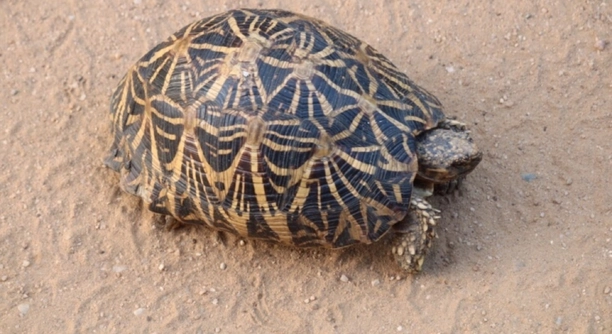
Turtles are fascinating pets, but their behavior can sometimes be puzzling. One common concern owners face is when their turtle keeps scratching its face. Understanding the causes behind this action can help maintain their health and happiness.
Turtles scratch their faces for several reasons, including shedding skin, irritation, or discomfort. They may also scratch due to external factors like bacteria or fungi. Identifying the cause will allow for better care and intervention.
Face scratching is often a sign of something that needs attention, whether it’s their environment or health. Identifying these factors early can prevent further issues.
Common Causes of Face Scratching in Turtles
Turtles may scratch their faces due to a variety of reasons. One of the most frequent causes is skin shedding. Turtles shed their outer skin in patches, and this can sometimes irritate their face, prompting scratching. Another possible cause is an underlying skin infection or irritation caused by bacteria, fungi, or even parasites. Scratching can also occur if the turtle’s enclosure is too dry, leading to dry skin. In some cases, the scratching could be a sign of discomfort from an object in the habitat, such as rough surfaces or a foreign particle irritating the skin.
Proper care is crucial for preventing face scratching. Ensuring the right humidity levels in the tank can prevent dry skin. Regular cleaning of the enclosure helps reduce the risk of infections. A balanced diet also supports healthy skin shedding. If your turtle’s behavior doesn’t improve, consult a veterinarian for proper diagnosis and treatment.
When to Seek Veterinary Help
If face scratching persists despite maintaining proper care, it’s essential to consult a veterinarian. This helps rule out infections or other underlying health problems. A vet can also provide guidance on treatment options and ensure your turtle’s well-being.
Addressing Environmental Factors
One of the most common environmental issues leading to face scratching is improper tank conditions. Turtles need specific temperature and humidity levels to remain healthy. Too much dryness can cause skin issues, leading to irritation. Regularly misting the tank or using a humidifier can help maintain optimal humidity. Additionally, make sure your turtle has access to clean water, as poor water quality can cause skin and eye infections. Providing a clean, spacious, and comfortable environment will prevent many common problems.
Skin and Shell Health
A turtle’s skin and shell are sensitive and can often react to environmental factors. If your turtle is scratching its face, there may be an issue with the skin on its face or shell. Dry skin, fungal infections, or even allergies can cause irritation. Regularly checking for signs of abnormalities, like patches of missing skin or abnormal growths, is important for maintaining your turtle’s health.
If you notice any unusual spots or redness, it could signal a deeper health concern. It’s crucial to address these issues quickly before they escalate. Consult with a vet if you suspect a skin infection or any other serious condition. Early treatment can prevent further discomfort and potential damage to your turtle’s health.
The Role of Diet in Skin Health
A proper diet plays a significant role in your turtle’s skin and overall health. Providing a balanced diet rich in vitamins and minerals helps keep their skin strong and healthy. Deficiencies in nutrients, especially vitamin A, can lead to skin problems, including excessive scratching. Feed your turtle a variety of foods, including vegetables, fruits, and protein sources like insects or commercial turtle food. Ensure that their diet meets all their nutritional needs for proper skin and shell maintenance.
A proper diet helps prevent deficiencies that may contribute to dry or irritated skin. Overfeeding or underfeeding can also create health issues, so it’s essential to maintain a balanced and appropriate feeding schedule. A healthy turtle is less likely to suffer from skin irritation and discomfort, reducing the chances of face scratching.
Tank Maintenance
A dirty tank can contribute to irritation and cause face scratching in turtles. Regular tank cleaning is essential for preventing infections and maintaining a healthy environment. Ensure that the water is filtered and changed regularly. Clean any debris or waste, as they can harbor harmful bacteria.
When cleaning the tank, be sure to remove any leftover food, waste, or algae buildup. Clean all surfaces thoroughly, including the rocks and decorations where your turtle may rub its face. A clean tank will help reduce skin irritation and provide your turtle with a more comfortable living space.
Tank Temperature and Humidity
Proper tank temperature and humidity are key to preventing skin issues in turtles. Turtles require specific heat levels for optimal health. Too much heat can cause skin drying, while too little can lead to sluggishness and other health problems. Make sure the temperature and humidity levels are appropriate.
Maintaining consistent and suitable conditions in your turtle’s tank promotes good health and helps prevent excessive scratching. Use a thermometer and hygrometer to monitor the temperature and humidity regularly. If necessary, adjust lighting or add a humidifier to ensure the conditions are correct for your turtle’s needs.
FAQ
Why is my turtle scratching its face?
Scratching is common in turtles and can be caused by various factors, including skin shedding, irritation, or environmental conditions. If your turtle is shedding skin, it may scratch to remove the old layers. Sometimes, dry skin or poor humidity levels can lead to irritation, causing your turtle to scratch its face. If you notice any unusual signs like redness or sores, it might be an indication of a fungal or bacterial infection. In these cases, consult a veterinarian for further advice.
How do I know if my turtle has an infection?
Infections in turtles can manifest in various ways. You may notice unusual behavior, like excessive scratching, rubbing against objects, or a decrease in activity. Physical signs of infection include swelling, redness, pus, or open sores on the skin or shell. Turtles may also appear lethargic or have difficulty moving. If any of these symptoms appear, it’s essential to consult a vet for a proper diagnosis and treatment plan.
Can poor water quality cause my turtle to scratch?
Yes, poor water quality can cause irritation that leads to scratching. Dirty water may contain harmful bacteria or parasites that can affect your turtle’s skin and eyes. Regular water changes and filtration are necessary to maintain a healthy environment. Make sure to test the water regularly for pH, ammonia, nitrate, and nitrite levels to ensure they are within safe ranges. Cleaning the tank regularly and removing any debris will also help prevent skin irritations.
What can I do if my turtle has dry skin?
Dry skin in turtles is often due to low humidity or poor water conditions. To combat this, increase humidity levels in the tank. You can mist the environment or use a humidifier to maintain optimal humidity. Additionally, make sure your turtle has access to clean water and a proper basking area with the right temperature. If the problem persists, applying a small amount of a non-toxic reptile moisturizer may help. If these measures don’t improve the situation, seek veterinary advice.
Is my turtle scratching because of its diet?
Diet can affect your turtle’s skin health. A lack of essential nutrients, like vitamin A, can lead to dry or flaky skin, causing your turtle to scratch. Ensure your turtle has a balanced diet that includes a variety of vegetables, fruits, and animal proteins. Vitamin A-rich foods like carrots, sweet potatoes, and leafy greens can help improve skin health. Avoid overfeeding and ensure that your turtle’s diet meets its specific nutritional needs to prevent deficiencies.
Can a turtle’s shell cause it to scratch?
A turtle’s shell may sometimes contribute to scratching if it is suffering from a condition like shell rot or if it’s poorly maintained. Shell rot is a bacterial infection that can cause lesions on the shell, which may irritate the turtle and lead to scratching. Regularly check your turtle’s shell for signs of damage, discoloration, or softness. If you notice any of these issues, it’s important to seek veterinary care to treat the condition.
How can I improve my turtle’s living conditions?
Ensuring your turtle has a proper living environment is crucial for its health. Maintain an appropriate temperature gradient in the tank with a basking area where your turtle can warm up. Keep the water clean by regularly changing it and using a filter. Ensure the tank has enough space for your turtle to move around comfortably, as cramped conditions can cause stress. Adding natural elements like rocks and plants will also help create a more comfortable and stimulating environment for your turtle.
Can stress cause my turtle to scratch?
Stress can indeed contribute to abnormal behavior, including face scratching. Stress in turtles can be caused by factors like overcrowding, excessive noise, poor tank conditions, or inadequate basking areas. If your turtle feels unsafe or uncomfortable, it may resort to scratching as a way to cope. Reducing stress by providing a secure, clean, and well-maintained habitat can help prevent this. Ensure your turtle’s environment is quiet and peaceful, and avoid sudden changes to their routine.
What should I do if my turtle keeps scratching despite proper care?
If your turtle continues to scratch despite maintaining good care, it might be time to consult a veterinarian. Persistent scratching could indicate an underlying medical issue such as an infection or parasites. A vet can perform tests to determine if your turtle has a bacterial or fungal infection and provide the necessary treatment. Additionally, they can check for other health issues like dehydration or shell problems that could be causing the scratching.
How often should I clean my turtle’s tank?
Turtle tanks need regular cleaning to maintain a healthy environment. A full tank cleaning, including changing the water and cleaning all surfaces, should be done at least once a week. Spot cleaning, such as removing uneaten food and waste, should be done daily. Keeping the water clean will help reduce the risk of infections and skin irritations that may cause your turtle to scratch.
What are some signs that my turtle is not feeling well?
Turtles will show various signs when they are unwell. Some common signs include loss of appetite, lethargy, changes in behavior, and abnormal scratching. You may also notice changes in their shell, such as discoloration, softness, or damage. Eye problems, such as swelling or discharge, can also indicate health issues. If your turtle exhibits any of these symptoms, it’s important to take them to a vet for a thorough check-up.
Final Thoughts
Turtles scratching their face can be caused by several factors, including environmental conditions, skin issues, or infections. It’s important to observe their behavior and identify any signs of discomfort or unusual scratching. Ensuring your turtle has a clean tank with the right water conditions is essential for their overall health. Keeping their environment clean, maintaining proper temperature and humidity, and providing a balanced diet will go a long way in preventing face scratching. When it comes to your turtle’s health, consistent care and attention to their living space are crucial.
If you notice persistent scratching or any other abnormal behavior, it’s vital to take action. Dry skin, infections, or shell problems may need specific treatments. In some cases, a visit to the vet will be necessary to rule out any underlying health issues. Early detection of skin conditions or infections is key to preventing further complications. Avoid delaying treatment, as it can lead to more severe health problems that are harder to treat. A vet will provide advice on how to best care for your turtle’s skin and address any health concerns.
By understanding the possible causes of face scratching, you can help create a safer, healthier environment for your turtle. Regular tank maintenance, proper hydration, and a nutrient-rich diet will support your turtle’s well-being and reduce the likelihood of skin issues. Taking these steps ensures that your turtle remains healthy and comfortable in its habitat. If you’re ever unsure about your turtle’s health, consulting with a veterinarian will give you peace of mind. Proper care and attention will lead to a happy, healthy turtle.

Hello,
If you enjoy the content that we create, please consider saying a "Thank You!" by leaving a tip.
Every little bit helps us continue crafting quality advice that supports the health, happiness, and well-being of pets around the world, for pets of all shapes, sizes, and species.
We really appreciate the kindness and support that you show us!