
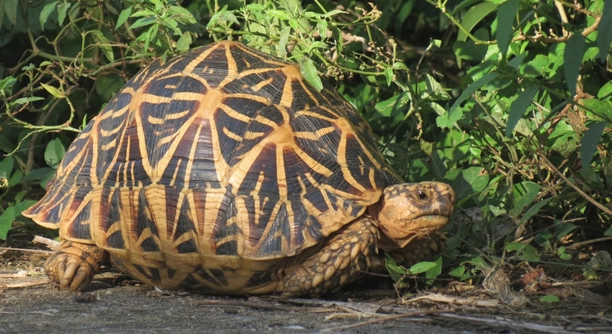
Turtles are fascinating pets, but their water quality can sometimes be challenging to maintain. One common issue is the rapid discoloration of their tank water, which can quickly turn brown. This problem may be caused by several factors.
The most common reason for brown water in a turtle tank is the accumulation of waste, organic material, and excess nutrients. This creates an environment where algae thrive and discolor the water. Regular maintenance and proper filtration can help address this.
Understanding the causes behind brown water will help you maintain a healthier environment for your turtle and improve their habitat.
Accumulation of Waste and Organic Material
When turtles eat, they leave behind waste in the water, which breaks down and turns the water brown. Excess food, uneaten pellets, and droppings all contribute to this process. Inadequate filtration can allow these particles to build up quickly, leading to murky water. Over time, the water becomes unhealthy for your turtle, creating an environment where bacteria and algae can thrive. Regular water changes, cleaning the tank, and removing leftover food will help control waste accumulation.
Even a few days of neglect can cause waste to pile up. Small particles often sink into the gravel or filter, which are harder to remove. Without proper care, these particles break down and make the water appear brown.
The best way to avoid this is by setting a consistent cleaning routine. Removing uneaten food immediately after feeding and cleaning the tank weekly will make a big difference. Keeping a proper filtration system can help remove waste more effectively, ensuring the water stays clearer for longer.
Algae Growth
Algae can easily take over if excess nutrients remain in the water. In many cases, brown water in a turtle tank is due to an algae bloom. When organic matter breaks down, it releases nutrients like phosphates and nitrates, which encourage algae growth. These nutrients may come from leftover food or the turtle’s waste.
A regular cleaning schedule, combined with proper filtration, will help control nutrient buildup. Another step to take is reducing the amount of light your tank gets. Excess light can stimulate algae growth, especially if your tank is placed in a sunny spot.
Inadequate Filtration
A poor filtration system can’t properly clean the tank, leading to faster buildup of waste and debris. Over time, the particles in the water will create an environment that allows algae and bacteria to thrive. Make sure your filter is strong enough for the size of the tank and can handle the waste load your turtle produces.
Filters should be cleaned regularly to maintain their effectiveness. A clogged filter can’t remove debris and waste from the water, which speeds up the discoloration process. When buying a filter, make sure it suits the tank’s size and provides adequate filtration for your turtle’s needs.
If your turtle’s water is turning brown despite using a filter, consider upgrading to a more powerful model. A good filter should be able to handle both mechanical and biological filtration, ensuring the water stays clean and clear. The right filter can make a big difference in maintaining water quality.
Overfeeding
Overfeeding is a major cause of poor water quality. When you feed your turtle too much, the uneaten food breaks down in the tank, leading to brown water. Even if your turtle eats most of the food, leftover bits still contribute to the problem.
Turtles only need to eat small amounts of food at regular intervals. Overfeeding can also cause health problems for your pet. To avoid this, be mindful of portion sizes and remove any leftover food after each feeding. By managing food intake, you can prevent excess waste from accumulating.
In addition to avoiding overfeeding, consider switching to a more nutritious diet to reduce waste. High-quality pellets and fresh vegetables can help ensure your turtle’s diet is balanced. This also limits the chances of uneaten food contributing to brown water.
Tank Size
A small tank can quickly become overcrowded, especially if your turtle is growing. When the space is too tight, waste builds up faster and the water quality worsens. A larger tank gives your turtle more room to move around and allows better filtration.
When selecting a tank, aim for at least 40 gallons for one adult turtle. Larger tanks can support multiple turtles, but keep in mind that more turtles will increase the amount of waste in the water. Proper tank size helps keep the water clearer for longer.
Water Temperature
If the water temperature is too high, it can speed up the decomposition of waste and encourage algae growth. Keeping the water at a stable, ideal temperature (around 75-80°F) will help control these issues.
Too cold or too hot water can make your turtle uncomfortable, affecting its overall health. By maintaining the correct temperature, you can also slow down bacteria and algae growth, helping the water stay cleaner.
Excessive Lighting
Excessive lighting encourages algae growth in the tank, contributing to brown water. Keeping the tank in an area where it receives minimal direct sunlight can help prevent this.
Use a timer for the tank light, limiting exposure to about 10-12 hours a day. This will help reduce the chance of algae buildup and keep the water clearer.
FAQ
What causes brown water in a turtle tank?
Brown water in a turtle tank is typically caused by the buildup of waste, uneaten food, and organic material. When these particles break down, they create nutrients that encourage algae growth. Without proper filtration and regular cleaning, these particles remain in the tank, resulting in brown or murky water.
How can I prevent my turtle’s water from turning brown?
To prevent brown water, it’s essential to establish a consistent cleaning routine. Remove any leftover food immediately after feeding, clean the tank and filter regularly, and ensure your turtle has enough space in the tank. Good filtration, proper feeding practices, and tank maintenance will significantly improve water quality.
Do I need to clean my turtle tank every day?
No, you don’t need to clean the tank daily, but regular maintenance is important. Aim to clean the tank and replace 25-50% of the water once a week. You should also spot clean by removing visible waste and uneaten food daily.
How often should I change the water in my turtle tank?
You should change 25-50% of the water every week to maintain a healthy environment. However, the frequency of full water changes depends on the size of the tank, the filtration system, and the number of turtles. Larger tanks with good filtration systems may require less frequent changes.
Can overfeeding cause brown water?
Yes, overfeeding is a common cause of brown water. Uneaten food breaks down in the water, contributing to waste and excess nutrients that fuel algae growth. By feeding your turtle only what it can eat in one sitting, you can help prevent water discoloration.
What type of filter should I use for my turtle tank?
A canister filter or a powerful internal filter is ideal for turtle tanks. The filter should be able to handle the water volume and remove both debris and organic waste. It’s important to choose a filter that provides mechanical, biological, and chemical filtration for the best results.
How do I remove algae from the tank?
To remove algae, you can manually scrub the tank surfaces using an algae scraper or sponge. You can also introduce algae-eating creatures, like certain species of snails or fish, that help reduce algae buildup. Regular water changes and reducing the tank’s light exposure will also prevent algae from flourishing.
Is it bad if my turtle eats algae from the tank?
No, it’s not bad for your turtle to eat algae. In fact, some turtles will graze on algae as a part of their natural diet. However, if algae growth is excessive, it’s a sign that water quality needs attention. Regular tank maintenance will help keep algae under control.
How can I improve the water quality in my turtle tank?
To improve water quality, focus on proper filtration, water changes, and reducing waste. Make sure your filter is appropriate for the tank size, clean it regularly, and remove any debris. Regular water changes will dilute harmful chemicals and keep the tank healthier for your turtle.
What are the signs of poor water quality in a turtle tank?
Signs of poor water quality include brown or cloudy water, a strong, unpleasant odor, and visibly stressed or sick turtles. Your turtle may also show signs of skin irritation or develop respiratory problems if the water is contaminated with harmful bacteria or excess waste.
Can brown water harm my turtle?
Yes, brown water can harm your turtle if it is not addressed. Contaminated water can lead to skin infections, respiratory issues, and overall poor health for your turtle. Keeping the water clean and well-filtered will help ensure your turtle remains healthy and happy.
Should I add water treatments to clear the water?
Water treatments can be helpful, but they should not be relied upon as the primary solution. Proper tank maintenance and regular water changes should be your first approach. If you use water treatments, ensure they are safe for turtles and used according to the manufacturer’s instructions.
Can I use a UV sterilizer to clear the water?
A UV sterilizer can help reduce algae and harmful bacteria in your turtle’s tank. It works by killing microorganisms in the water, improving water clarity. While it can be effective, it should be used alongside proper filtration and cleaning practices to keep your turtle’s habitat healthy.
Why does my turtle tank water get brown so quickly?
If your turtle tank water turns brown quickly, it’s likely due to excess waste, uneaten food, or an inadequate filtration system. The more waste and organic material in the water, the faster the water will discolor. Regular cleaning, proper feeding, and a good filter can help slow down the process.
Can I use tap water in my turtle tank?
Tap water can be used, but it often contains chlorine or chloramine, which can be harmful to your turtle. It’s best to treat the tap water with a water conditioner that neutralizes these chemicals before adding it to the tank. Make sure the water temperature matches the tank’s ideal range.
How do I clean my turtle tank filter?
To clean your turtle tank filter, remove it from the tank and rinse it with tank water. Avoid using tap water as it may contain chlorine, which can harm beneficial bacteria. Clean the filter’s mechanical and biological components regularly, ensuring they are functioning properly.
Final Thoughts
Maintaining clean water in a turtle tank requires consistent care and attention. A well-maintained environment ensures that your turtle stays healthy and happy, while reducing the chances of brown water or other water quality issues. Proper tank size, filtration, and regular cleaning are all essential aspects of keeping your turtle’s habitat clean. Paying attention to the water temperature, lighting, and feeding habits can also make a big difference in preventing water discoloration.
The key to preventing brown water is reducing waste and organic material in the tank. Overfeeding, for example, can lead to leftover food breaking down in the water, causing it to turn brown quickly. A good rule of thumb is to feed your turtle only what it can eat in one sitting, removing any excess immediately. Regular water changes and proper filtration are crucial to maintaining clear water. Keep the tank clean by removing waste and debris as soon as you notice it, and don’t forget to clean the filter regularly to ensure it’s working efficiently.
By addressing the factors that contribute to brown water, you can create a healthier environment for your turtle. Proper maintenance will not only improve water quality but also enhance your turtle’s overall well-being. While it may take a little extra effort, it’s well worth it to provide your turtle with a clean, safe habitat. With the right care, your turtle will thrive, and your tank will remain clear for a longer period of time.

Hello,
If you enjoy the content that we create, please consider saying a "Thank You!" by leaving a tip.
Every little bit helps us continue crafting quality advice that supports the health, happiness, and well-being of pets around the world, for pets of all shapes, sizes, and species.
We really appreciate the kindness and support that you show us!