
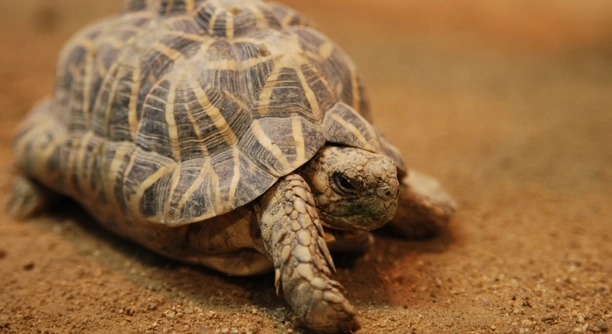
Creating a comfortable habitat for your turtle ensures its health and happiness. A well-planned environment makes a significant difference in their overall well-being, allowing them to thrive and enjoy their surroundings.
Improving a turtle’s habitat involves providing the right temperature, humidity, lighting, and space. By focusing on their specific needs, such as proper water filtration and hiding spots, you can create an ideal environment that promotes comfort and reduces stress.
These adjustments can transform your turtle’s living space, offering them a better quality of life. Simple changes can lead to lasting benefits.
Temperature Control
Turtles are cold-blooded reptiles, so maintaining the right temperature in their habitat is essential for their health. A basking spot should be around 85-90°F (29-32°C) to provide warmth for them to regulate their body temperature. The water temperature should range from 75-80°F (24-27°C) to keep them active and healthy. Using a reliable thermometer will help ensure the temperature stays consistent.
A heat lamp is a great tool for providing warmth on the basking platform. Make sure the light is not too close to avoid overheating, and monitor it daily to maintain optimal levels. You can also use a water heater for the aquatic area to keep the temperature stable.
Ensuring your turtle’s habitat is set at the right temperatures will not only help with digestion but also boost their immune system. Cold temperatures can lead to health issues like shell rot or reduced appetite. Therefore, keeping their environment warm enough for them to thrive is crucial for their overall well-being.
Proper Lighting
Proper lighting is vital for a turtle’s health. UVB lighting is essential for calcium metabolism and shell development. It also helps them synthesize vitamin D3, which is crucial for bone strength. Without it, turtles can suffer from metabolic bone disease.
UVB lights should be placed about 6-12 inches above the basking spot. Replace these bulbs regularly, as they lose effectiveness over time. Ensure that your turtle has access to natural sunlight when possible, but avoid prolonged exposure to direct sunlight outside of their enclosure, which can lead to overheating.
By maintaining proper lighting, you will support your turtle’s long-term health. Over time, UVB lighting helps prevent diseases and ensures that your turtle remains strong and active. Proper lighting combined with a good diet promotes a healthy and happy life for your pet.
Space and Enclosure Size
A proper-sized enclosure is crucial for your turtle’s comfort and health. Turtles need enough space to swim, bask, and explore. A cramped environment can lead to stress and inactivity, negatively affecting their overall well-being.
The minimum recommended size for an enclosure depends on the turtle species. For aquatic turtles, a tank should be at least 40 gallons for a small turtle, with 10 additional gallons for each additional turtle. Ensure there is enough water depth to allow swimming, and include a dry basking area to keep them out of the water when they need to warm up.
By giving your turtle the proper space, it will have room to move freely, which promotes natural behavior. A larger tank also allows for better water quality, making it easier to maintain a healthy habitat. Providing enough space ensures your turtle’s environment is stress-free and stimulating.
Water Filtration
Clean water is essential for a turtle’s health. A good filtration system is necessary to keep the water free from waste and bacteria. Without it, the water can quickly become polluted, leading to health issues such as shell rot or infections.
Investing in a high-quality filter that can handle the size of your turtle’s tank is key. The filter should be able to cycle the water multiple times a day, keeping it clean and clear. Be sure to clean the filter regularly and change the water at least once a week to maintain optimal conditions.
A good water filtration system reduces the need for constant water changes, creating a healthier and more stable environment for your turtle. With clean water, your turtle will feel more comfortable, be more active, and experience fewer health problems, ensuring a better quality of life.
Hiding Spots and Shelters
Turtles need hiding spots to feel secure. Providing caves or small structures in their habitat allows them to retreat when they feel stressed or need some privacy.
These shelters also give them a sense of control over their environment. You can use natural elements like rocks or logs to create a comfortable space for your turtle to relax and hide.
Substrate
Choosing the right substrate is essential for your turtle’s comfort. Gravel, sand, or reptile-safe liners can be used for the bottom of their enclosure. Make sure the substrate is easy to clean and does not retain bacteria.
Avoid using substrates that are too small, as turtles might ingest them, which can cause digestive problems. The right substrate will also help regulate humidity levels, making your turtle’s habitat more comfortable and healthy.
Water Quality
Keeping the water clean is crucial for your turtle’s health. Use a reliable filtration system and perform regular water changes to prevent the buildup of waste. Clean water helps maintain proper water chemistry and prevents disease.
FAQ
How often should I change my turtle’s water?
Water changes should be done at least once a week, depending on the tank size and the number of turtles. If the water looks cloudy or smells bad, it may need to be changed more frequently. Regular water changes help maintain clean conditions and prevent harmful bacteria build-up.
What type of food should I feed my turtle?
Turtles need a balanced diet consisting of both animal and plant matter. Feed them a combination of commercial turtle pellets, leafy greens like kale and dandelion, and occasional protein sources like worms, crickets, or fish. Avoid feeding them processed or sugary foods.
Can I use tap water in my turtle’s tank?
Tap water can be used, but it should be dechlorinated. Chlorine and chloramine in tap water can be harmful to your turtle’s health. You can use water conditioners available at pet stores to remove these chemicals. Alternatively, letting the water sit for 24 hours can also help reduce chlorine.
Should I use a heat lamp all day?
A heat lamp should be on for 10-12 hours during the day to mimic the natural day-night cycle. During the night, it is best to turn it off. However, make sure your turtle’s tank doesn’t get too cold at night. A low wattage heater or ceramic heat emitter can help maintain warmth.
What temperature should I keep the water at for my turtle?
The water temperature should range between 75°F and 80°F (24°C-27°C) for most species of aquatic turtles. A water heater is essential to maintain a consistent temperature. Make sure the water is not too hot or too cold, as temperature extremes can cause stress or illness.
Can turtles live without a basking area?
Turtles need a basking area to regulate their body temperature. Without one, they cannot dry off properly, which can lead to health issues like shell rot. The basking area should be dry and warm, with a light source to provide adequate heat.
How can I tell if my turtle is sick?
Signs of illness in turtles include lethargy, loss of appetite, swelling, abnormal shell growth, and discolored eyes or skin. If you notice any of these signs, consult a veterinarian familiar with reptiles. Prompt care is important to prevent the condition from worsening.
What type of UVB light should I use?
A UVB light is essential for calcium metabolism and overall turtle health. Use a full-spectrum UVB bulb designed for reptiles, ensuring that it covers the basking area. Replace the bulb every six months as its UVB output decreases over time, even if the light is still on.
Can I keep multiple turtles in the same tank?
Yes, but it depends on the species and tank size. Some turtles are territorial and may fight, especially if they are of the same sex. If you plan on keeping multiple turtles, ensure the tank is large enough to accommodate them, with separate basking spots and ample space to swim.
Is it okay to keep my turtle outdoors?
Turtles can live outdoors in suitable climates, but they need a secure, predator-free enclosure with access to both water and a dry basking area. If you live in an area with extreme temperatures, it’s better to keep your turtle indoors to prevent stress or harm.
Do turtles need companionship?
Turtles are solitary creatures, so they do not require companionship. However, if you keep more than one, make sure the tank is large enough and monitor them for any signs of aggression. If they are peaceful, they can live together, but it’s best to provide each turtle with enough space.
How do I clean my turtle’s tank?
To clean the tank, remove the turtle, drain the water, and scrub the tank with a non-toxic, reptile-safe cleaner. Clean the decorations and substrate as well. You can also use a siphon or water pump to remove debris from the bottom before refilling the tank with clean water.
How long do turtles live?
Turtles can live a long time, with some species reaching 30 to 40 years or more. Certain species, like box turtles, can live over 50 years in captivity. Proper care, including a healthy diet, clean water, and proper lighting, can help ensure a long and healthy life for your turtle.
What is the best substrate for a turtle’s tank?
The best substrate for a turtle’s tank depends on its species. For aquatic turtles, smooth river rocks or sand are often the best options. These substrates allow for easy cleaning and do not pose a risk of ingestion. For land turtles, natural soil or a reptile-safe bedding works best.
Should I provide my turtle with a filter for the water?
Yes, a filter is essential to maintain clean water and reduce the need for frequent water changes. It helps remove waste and debris, preventing harmful bacteria from building up. Be sure to choose a filter that matches the size of your tank and is rated for the specific needs of your turtle.
Can turtles eat fruit?
Turtles can eat fruit, but it should only be given in moderation. Fruits like strawberries, bananas, and apples provide a treat and extra hydration but can be high in sugar. Too much fruit can lead to digestive issues, so it’s best to limit it to a small part of their diet.
How do I know if my turtle is getting enough calcium?
Calcium is vital for your turtle’s shell and bone health. You can provide calcium through cuttlebone, calcium supplements, or foods high in calcium like leafy greens. If your turtle’s shell looks soft or deformed, it may be a sign of calcium deficiency, and you should adjust their diet accordingly.
What should I do if my turtle’s shell is soft?
A soft shell could indicate a calcium deficiency or improper lighting. Ensure your turtle is getting enough UVB light and calcium-rich foods. You may also want to provide calcium supplements and have your turtle checked by a veterinarian to ensure there are no underlying health issues.
Final Thoughts
Creating a comfortable habitat for your turtle is key to its health and well-being. Turtles need a balanced environment that provides the right temperature, water quality, and enough space to move. By ensuring their habitat meets these basic needs, you help them thrive. It is important to remember that turtles are sensitive creatures, and even small changes in their environment can impact their comfort and happiness.
The process of maintaining a suitable habitat doesn’t have to be difficult. Simple adjustments like offering clean water, proper lighting, and appropriate hiding spots can make a significant difference. Regular water changes and monitoring the temperature ensure that your turtle remains healthy. Providing a variety of foods also promotes a balanced diet that supports overall wellness. With the right care, your turtle can live a long, fulfilling life in a comfortable environment.
Incorporating these basic principles will not only improve your turtle’s quality of life but will also create a stress-free space for you as a pet owner. The time and effort you put into creating a suitable habitat will pay off as your turtle thrives. If you stay consistent and keep monitoring their needs, you can avoid most common problems and ensure your turtle’s happiness for years to come.

Hello,
If you enjoy the content that we create, please consider saying a "Thank You!" by leaving a tip.
Every little bit helps us continue crafting quality advice that supports the health, happiness, and well-being of pets around the world, for pets of all shapes, sizes, and species.
We really appreciate the kindness and support that you show us!