
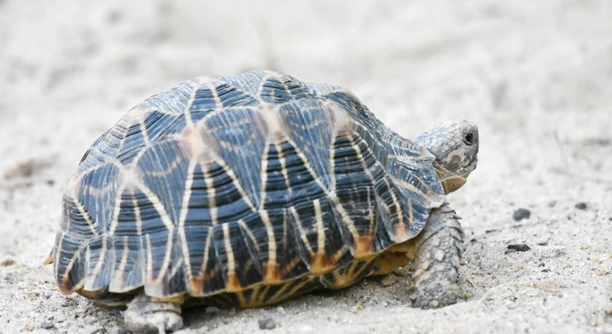
Turtles are fascinating creatures that can bring a lot of joy as pets. However, you may have noticed your turtle flicking water out of its tank, leaving you wondering why this happens.
Turtles flick water from their tanks as part of their natural behavior. It can be due to stress, excitement, or simply because they are trying to splash around in their environment. It’s not necessarily a cause for concern.
Understanding the reasons behind this behavior will help you better care for your pet turtle and create a comfortable environment for it to thrive in. Let’s look deeper into the possible causes.
Why Do Turtles Flick Water from Their Tanks?
When turtles flick water from their tanks, it’s often a sign of playful or exploratory behavior. This is especially true in young turtles, as they tend to be more curious and energetic. Sometimes, it’s just a fun activity for them, and they don’t have any particular reason for doing it. Turtles are naturally active animals, and water splashing can be a way for them to engage with their environment. It’s also common when turtles are trying to get comfortable in their surroundings, especially in a new tank or after a change in their habitat.
Occasionally, flicking water can be linked to a need for attention or to gain a sense of control over their environment. While this action may seem odd, it’s a normal part of their natural behavior.
If you notice frequent water flicking, it might be an indicator that your turtle needs more stimulation or an enriched environment. Adding toys or more areas to explore might help reduce this behavior. Always make sure your turtle’s tank is the right size and has plenty of room to move around.
Is Water Flicking a Sign of Stress?
Stress can sometimes cause water flicking in turtles. When they feel unsafe or uncomfortable in their tank, they might act out. This behavior can be a reaction to improper temperature, water quality, or even tank mates that cause them stress.
Keeping your turtle’s tank at a steady temperature and ensuring the water is clean will help reduce the chances of stress-related behaviors. Make sure the tank has the right filtration system and is cleaned regularly. Avoid overcrowding and ensure your turtle has enough space to feel secure. Additionally, keeping the tank in a quiet, calm place away from loud noises will help create a stress-free environment.
Is Your Turtle Just Playing Around?
Turtles, especially younger ones, are naturally playful creatures. They may flick water out of the tank simply to engage with their surroundings. This playful behavior is a way for them to explore their environment and entertain themselves. It’s completely harmless and can happen often, especially if they’re in a space where they feel safe and curious.
If your turtle is frequently flicking water, it could simply be a sign that they are having fun and exploring. This behavior is often seen in tanks with decorations or areas that allow them to climb or hide. Turtles enjoy interacting with their environment, and splashing water is just one way they do so. While this can be a bit messy, it’s not usually a sign of anything negative.
It’s important to let your turtle have the freedom to engage with their environment. Providing a variety of textures and objects they can explore will help keep them entertained. You might also notice that they are more active during feeding time or after tank cleaning, as they get excited about their surroundings. This playful behavior can show that your turtle is adjusting well to its home.
How Tank Setup Affects Water Flicking
The design of your turtle’s tank plays a significant role in their behavior. If the tank is too small or lacks hiding spots, your turtle may feel the need to interact with the water more, leading to flicking. A tank that is large enough for your turtle to swim around in will reduce the likelihood of this. Having proper tank accessories, such as rocks, logs, or plants, can create more natural behavior patterns and reduce unnecessary water splashing.
A well-structured tank gives your turtle more space to move and fewer reasons to flick water. When your turtle has the right amount of room, it feels more comfortable and less stressed. If the tank is too cramped, they may feel trapped, leading to anxious or repetitive behaviors like flicking. Regular adjustments to the environment can help improve your turtle’s quality of life, leading to less water splashing and more peaceful behavior.
Tank Water Quality and Temperature
Poor water quality or improper tank temperature can also cause your turtle to flick water. When the water isn’t clean or the temperature isn’t right, your turtle may feel uncomfortable and act out. Regular water changes and monitoring water temperature will help.
Maintaining the right temperature and water cleanliness helps keep your turtle healthy and stress-free. Water that’s too hot or cold can lead to discomfort, causing your turtle to flick water to try to get attention or relieve stress. A consistent water temperature around 75–80°F is ideal.
Overfeeding and Its Impact
Overfeeding can lead to bloating or discomfort, which might result in unusual behavior. A turtle that feels heavy or sluggish after eating may flick water out of frustration. Keeping track of the amount of food your turtle consumes will help prevent this.
Feeding your turtle the right portion size can reduce the risk of overfeeding. Offering a balanced diet that matches their age, size, and species ensures they stay healthy. Excess food can cause stress and lead to unwanted behaviors like water flicking, so moderation is key.
FAQ
Why does my turtle flick water out of its tank?
Turtles flick water as a natural behavior, often related to exploration or play. They are curious animals, and splashing water allows them to interact with their environment. It’s common for turtles to splash water during active periods or when they are excited, especially in a tank with decorations or areas to climb. While it may seem like a mess, it’s a sign of a healthy, engaged turtle. In some cases, this could also be a response to stress, especially if they feel confined or uncomfortable in their environment.
Should I be worried if my turtle is flicking water?
Usually, no. If the flicking is occasional and your turtle appears healthy, it’s just part of their playful behavior. However, if the behavior is excessive or accompanied by signs of distress—such as irregular eating or abnormal movements—it could indicate stress or an environmental issue, such as poor water quality or incorrect tank temperature. Monitor your turtle closely to ensure they are not acting out due to discomfort.
How can I stop my turtle from flicking water?
If water flicking is causing issues, you can take a few steps. First, ensure the tank is large enough for your turtle to move comfortably and that it has enough space for climbing and exploring. Adding hiding spots and enriching the environment with plants, rocks, or logs can also reduce the behavior. Also, check the water quality and temperature to make sure they’re not contributing to any discomfort. If your turtle is particularly active, you might also consider providing more stimulation with toys or different areas to explore.
Is it normal for my turtle to flick water when it’s feeding time?
Yes, it’s quite normal for turtles to become excited during feeding time, and this can sometimes lead to them splashing water. The movement of water is a natural response to the excitement they feel when food is introduced. This behavior is usually harmless as long as it doesn’t become excessive or occur outside of feeding times.
Can stress cause my turtle to flick water?
Yes, stress can be a factor. A stressed turtle may flick water as a sign of discomfort. Common stressors include poor water quality, overcrowded tanks, incorrect temperature, or a lack of proper hiding spots. It’s important to ensure your turtle’s environment is calm, with the correct water parameters and ample space for them to move around.
What is the best tank setup for preventing water flicking?
A spacious tank with plenty of room to swim and climb is essential for keeping your turtle engaged without causing stress. Including rocks, logs, or plants helps mimic a more natural habitat, offering your turtle areas to explore. A properly sized tank (at least 40 gallons for most species) will also prevent your turtle from feeling confined. Regular tank cleaning and a good filtration system are key to maintaining water quality, which helps minimize stress.
Can water flicking happen because of temperature changes in the tank?
Yes, sudden changes in water temperature can cause discomfort for your turtle. If the water is too cold or too warm, they may react by flicking water or exhibiting other signs of stress. Keep the water temperature between 75-80°F to ensure your turtle feels comfortable. Consistent temperature regulation is crucial for their well-being.
How often should I clean my turtle’s tank to prevent water flicking?
Regular cleaning is important to maintain a healthy environment. You should change about 20-25% of the water every 1-2 weeks, depending on the size of the tank and the number of turtles. Spot cleaning daily, especially to remove uneaten food or waste, will also help. A well-maintained tank reduces the chance of your turtle flicking water due to poor water quality.
Can water flicking be a sign of boredom?
Yes, if your turtle isn’t being stimulated enough, they might flick water out of boredom. Turtles need mental and physical enrichment to thrive. Adding new objects to their tank or rotating toys can help keep them engaged. Additionally, increasing the frequency of feeding or introducing variety in their diet might also help provide stimulation.
Does overfeeding cause water flicking?
Overfeeding can lead to discomfort and bloating, which may contribute to behaviors like flicking water. If your turtle feels overly full or sluggish, it might flick water in response. Feeding the right portion size, based on their age and species, is important. Overfeeding should be avoided to ensure your turtle stays healthy and comfortable in its tank.
How do I know if my turtle is stressed?
Signs of stress in turtles can include erratic swimming, loss of appetite, aggression, or excessive water flicking. If you notice any of these signs, check the water quality, tank temperature, and tank mates. A stressed turtle might also hide more often or refuse to come to the surface. Making adjustments to their environment can help relieve stress.
Is it okay to add tank mates to stop water flicking?
Adding tank mates can sometimes help alleviate boredom and reduce stress, but it depends on the species of turtle and the type of tank mates. Some turtles are territorial and may become stressed with other animals in the tank. If you do add tank mates, make sure they are compatible with your turtle, and monitor for any signs of aggression or stress.
Why does my turtle flick water more often at night?
Turtles are often more active at night, as they are naturally crepuscular or nocturnal. If you notice your turtle flicking water more frequently during the evening, it could simply be because they’re more active during these hours. If the behavior seems excessive, check the temperature and lighting in the tank to ensure there are no underlying issues.
Final Thoughts
Turtles are naturally curious animals, and water flicking is just one way they express themselves. It’s often a sign of excitement, exploration, or simple playfulness. For most turtles, this behavior is harmless and part of their personality. While it can be a bit messy, it’s usually nothing to worry about. Understanding your turtle’s environment and making sure they have enough space to move around and explore can reduce excessive water flicking. Providing proper care, such as maintaining clean water and keeping the tank temperature stable, will also help ensure that your turtle feels comfortable and secure.
However, in some cases, water flicking can be a sign that something’s not quite right. If your turtle is flicking water constantly, especially when it’s combined with other unusual behaviors, it might be a sign of stress. Common causes of stress include poor water quality, incorrect tank temperature, or overcrowding. If your turtle seems stressed, take the time to check its environment and make any necessary adjustments. By offering a proper tank setup with enough space, hiding spots, and enriching decorations, you can help your turtle feel more at ease. Healthy water conditions and a consistent routine are key factors in ensuring your turtle’s happiness.
If you notice persistent changes in your turtle’s behavior or if they seem uncomfortable, don’t hesitate to seek advice from a vet or a reptile expert. A professional can help rule out any health issues and provide guidance on how to improve your turtle’s living conditions. Remember, every turtle is unique, and understanding their needs and habits will help ensure a long and healthy life. By keeping an eye on their behavior and making small adjustments, you can help your turtle live a fulfilling life in a comfortable, happy environment.

Hello,
If you enjoy the content that we create, please consider saying a "Thank You!" by leaving a tip.
Every little bit helps us continue crafting quality advice that supports the health, happiness, and well-being of pets around the world, for pets of all shapes, sizes, and species.
We really appreciate the kindness and support that you show us!