
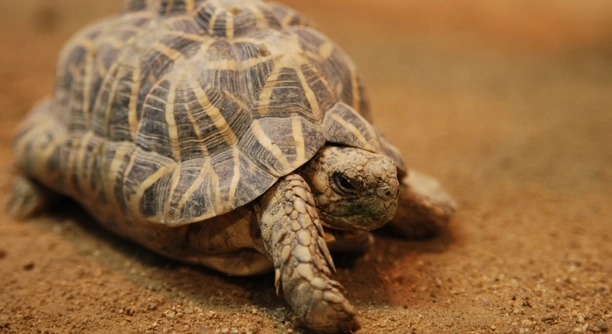
Turtles make fascinating pets, but sometimes they can get stuck in their decorations. This can be both stressful for you and harmful to your turtle. Keeping your turtle safe and comfortable should always be a priority.
To prevent your turtle from getting stuck, ensure that decorations are securely placed and free of sharp edges. Additionally, make sure the decorations are appropriately sized for the turtle’s shell, providing enough space for movement without risking entrapment.
In this article, we’ll explore simple ways to avoid these common risks and keep your turtle safe while enjoying its habitat. Understanding these steps will help create a safe environment for your turtle to thrive.
Choose Decorations That Match Your Turtle’s Size
When selecting decorations for your turtle’s tank, size matters. Too many large items can crowd the space and leave little room for your turtle to move around. Smaller decorations may be easier for your turtle to get stuck in, as they won’t have enough room to maneuver. It’s important to choose items that are scaled to your turtle’s size, ensuring they have enough space to roam freely without getting wedged between pieces. This will help prevent any uncomfortable or dangerous situations.
Even though decorations are meant to add aesthetic value to your turtle’s habitat, safety should always come first. Ensure that any decorations, rocks, or caves are roomy enough for your turtle to explore without difficulty. Regularly check that your turtle isn’t getting stuck while moving between pieces. The right decorations will provide your turtle with a comfortable, engaging environment that supports their health.
A balanced tank setup allows your turtle to enjoy its space without getting hindered by obstacles. As your turtle grows, remember to adjust the decorations accordingly. The more room they have, the less likely they are to become trapped.
Avoid Decorations with Sharp Edges
Sharp edges on decorations can cause injury to your turtle. Whether it’s a piece of plastic or a stone with jagged surfaces, these objects can lead to cuts and scrapes. It’s always better to use decorations that are smooth and rounded, providing no chance for your turtle to get injured while moving.
Check your decorations regularly for any sharp or broken parts. Even the smallest sharp edges can be harmful if not addressed. Replacing or smoothing out rough surfaces will help keep your turtle safe and avoid unnecessary injuries.
If you’ve ever found your turtle with a small injury, it’s possible that the sharp edges of their tank decor played a role. By eliminating these risks, you ensure that your turtle remains healthy and happy in its home.
Ensure There’s Enough Space to Move
Space is key when it comes to your turtle’s well-being. If the decorations take up too much room, your turtle might struggle to move freely. This can cause them to get stuck or feel stressed. A spacious tank is essential for allowing your turtle to explore comfortably.
When setting up the tank, make sure that decorations and hiding spots do not take over the entire area. Leave open spaces where your turtle can swim or crawl easily. This will not only reduce the chances of them getting caught but also keep them from feeling trapped in their own home.
A good rule of thumb is to leave at least one-quarter of the tank open. Avoid crowding the tank with too many objects, as your turtle needs room to turn around and explore. With more space, they’ll feel less stressed and be able to avoid getting stuck.
Use Decorations with No Tiny Gaps
Tiny gaps between decorations or objects may seem harmless, but they can pose a risk to your turtle. If the gap is small enough, your turtle might squeeze in and get stuck. Always double-check that there are no spaces where your turtle’s shell can get wedged.
Even if a decoration appears large, it may have small crevices that can trap a turtle. Pay attention to the design of caves, bridges, and other objects that your turtle might use for hiding or climbing. It’s better to choose pieces with a simple, open structure rather than intricate designs with tight spaces.
Also, avoid placing objects too close to each other. If decorations are crowded together, they can create gaps where your turtle can become trapped. Over time, these small spaces could lead to stress, and if left unchecked, injuries. Checking for gaps regularly ensures your turtle has a safe environment.
Secure Decorations Properly
Decorations should be securely placed in the tank to avoid tipping over or shifting. If a decoration moves or falls, your turtle might get caught between it and other objects. Make sure every piece is anchored in a way that prevents shifting.
Using aquarium-safe adhesive or suction cups can help keep decorations in place. This reduces the risk of them falling or becoming loose, which could cause your turtle to get stuck or injured. Checking that everything is stable and fixed will keep your turtle safe.
Always inspect the tank regularly to make sure no decorations have shifted. Even slight movement can create dangerous gaps for your turtle. Keeping everything secure ensures your turtle’s environment remains safe and comfortable.
Avoid Narrow Hiding Spaces
Narrow hiding spaces can be risky for your turtle, especially if they become too tight as the turtle grows. Avoid using decorations that provide small, tight hiding areas that might be too small for your turtle.
Instead, focus on larger hiding spots that allow for movement. Your turtle should be able to retreat into a space without being restricted. A wide, open hiding area provides both comfort and safety.
FAQ
What should I do if my turtle gets stuck in a decoration?
If your turtle gets stuck, stay calm and gently remove the decoration. Avoid using force, as it could hurt your turtle. Inspect the area to see what caused the issue and adjust the decorations accordingly. Always check the tank afterward to ensure there are no other hidden dangers. If your turtle shows signs of injury, such as cuts or swelling, seek advice from a veterinarian. Regular tank checks will help prevent future problems.
Can I use any type of decoration in my turtle’s tank?
Not all decorations are safe for turtles. Avoid sharp, rough, or small decorations that could cause injury or trapping. Stick to smooth, non-toxic materials that won’t break easily. Plastic decorations should be sturdy and without any sharp edges. Stones and rocks should be large enough to not pose a risk of getting wedged in between.
How do I know if the decorations are safe for my turtle?
To ensure safety, choose decorations specifically designed for aquatic animals. These will be made from materials that are safe for your turtle. Always check for sharp edges, small gaps, or loose parts that could cause entrapment. Decorations with smooth surfaces are the safest option. If in doubt, read product labels or consult an expert.
Is it safe to have live plants in my turtle’s tank?
Live plants can be a great addition to your turtle’s tank, offering both aesthetic value and hiding spaces. However, make sure the plants are safe for turtles to consume. Avoid plants that could be toxic or harmful. Some turtles like to nibble on plants, so ensure they’re non-toxic to avoid any health issues.
How can I prevent my turtle from getting stressed by the tank decorations?
A stressed turtle may show signs like pacing, hiding excessively, or refusal to eat. To prevent this, ensure there is enough space for your turtle to move freely. Decorations should be placed in a way that allows for easy navigation without trapping your turtle. The tank should also have proper lighting and temperature for your turtle’s needs.
Should I remove decorations to clean the tank properly?
Yes, it’s a good idea to remove decorations when cleaning the tank. This ensures you clean every surface, including areas that could trap dirt and waste. When removing the decorations, check for any damage, sharp edges, or small gaps that could have formed over time. Regular cleaning helps maintain a healthy and safe environment for your turtle.
How often should I rearrange the decorations in my turtle’s tank?
You don’t need to rearrange the decorations constantly, but it’s a good idea to do so every few months. This allows your turtle to explore new areas and keeps things interesting. If you notice that your turtle is getting stuck in a certain area, it’s time to move things around for their safety.
Can I use driftwood as a decoration in my turtle’s tank?
Driftwood can be a nice addition, as it offers hiding spots and climbing opportunities. However, ensure the driftwood is safe for aquatic use. It should be cleaned thoroughly to remove any dirt or harmful chemicals. Additionally, make sure it doesn’t have any sharp points or gaps where your turtle could get stuck.
Is it safe for my turtle to climb on decorations?
Turtles love to climb, so providing appropriate climbing opportunities is a good idea. However, the decorations should be sturdy and safe. Avoid fragile or unstable items that could collapse under your turtle’s weight. If your turtle climbs too much and falls, it could get injured, so ensure climbing spots are secure.
How can I tell if the tank decorations need to be replaced?
If you notice any cracks, sharp edges, or pieces that have become loose, it’s time to replace the decorations. Broken decorations can pose risks to your turtle’s safety. Even if a decoration seems fine at first, over time it may wear down, making it easier for your turtle to get stuck. Regular inspections are key to identifying when it’s time for a replacement.
Can I use aquarium gravel or sand as a decoration?
Aquarium gravel or sand can be used as a substrate, but be cautious with small turtles. Fine sand or small gravel can cause digestive issues if ingested. Larger gravel or pebbles may be safer. Make sure the turtle has plenty of clean water to prevent accidental ingestion, and always monitor their behavior to ensure they’re not eating the substrate.
Final Thoughts
When setting up your turtle’s tank, safety should always come first. Decorations can enhance the environment, making it more interesting for your turtle, but they also need to be chosen carefully. The right decorations can provide a sense of security and opportunities for exploration, but the wrong ones can cause harm or stress. It’s important to ensure that the items in the tank are safe, easy for your turtle to navigate, and won’t cause them to become stuck or injured. Taking time to carefully pick and maintain decorations will improve your turtle’s overall well-being.
Regular tank maintenance is key to preventing issues. As your turtle grows, you may need to adjust the decorations to suit their size. What works for a baby turtle might not be suitable for an adult. Ensure that there’s enough space for your turtle to move freely and comfortably. Decorations should be checked frequently for any sharp edges or cracks that could create new hazards. The goal is to provide an environment where your turtle can thrive without the risk of injury. Routine checks can prevent accidents before they happen and keep your turtle safe.
Ultimately, creating a safe and comfortable home for your turtle doesn’t have to be complicated. It’s about making simple, thoughtful choices. Stick to decorations that are appropriately sized, secure, and free of hazards. Keep an eye on the tank to make sure everything stays in place and that your turtle has enough room to explore. A few small adjustments can make a big difference in your turtle’s health and happiness, ensuring they live a long, stress-free life in their aquatic home.

Hello,
If you enjoy the content that we create, please consider saying a "Thank You!" by leaving a tip.
Every little bit helps us continue crafting quality advice that supports the health, happiness, and well-being of pets around the world, for pets of all shapes, sizes, and species.
We really appreciate the kindness and support that you show us!