
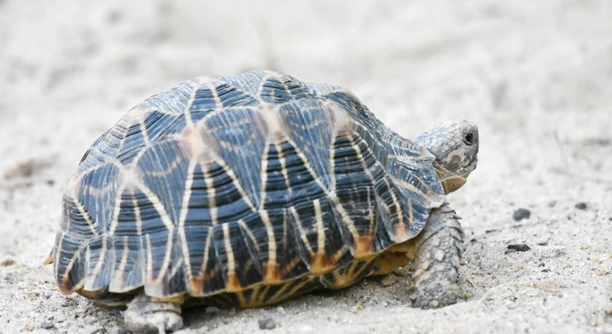
Turtles are fascinating creatures, and watching them interact can be quite interesting. If you’ve noticed your turtle climbing onto others, it might seem strange, but there are a few common reasons behind this behavior.
Turtles may climb onto other turtles for several reasons, including dominance behavior, mating attempts, or simply trying to find a better basking spot. It’s important to observe their overall behavior to understand the context and underlying cause.
Understanding why turtles engage in this climbing behavior can help improve their environment and ensure they are healthy. In the next sections, we’ll look into the factors contributing to this unique action.
1. Dominance and Hierarchy Behavior
Turtles, especially in groups, establish a social structure where some turtles may try to assert dominance over others. Climbing onto another turtle can be a sign that they are attempting to show their superiority. This behavior often occurs in both wild and captive environments. By climbing, a turtle might feel that it is asserting its place in the pecking order. The turtle on top may not always be trying to harm the one below; it’s more about claiming a spot or trying to establish control. It’s common in species that live in groups, as they have to negotiate their positions.
Turtles are territorial creatures, and climbing is a natural part of establishing where they stand among others.
Understanding the dynamics within a group of turtles helps us see that climbing is a form of communication. It’s important to monitor this behavior to ensure that it doesn’t lead to injuries. In cases of constant climbing or excessive aggression, separating turtles might be necessary to avoid stress or harm. You can also try providing more space or hiding spots, so they don’t feel the need to fight for the same spot.
2. Mating Behavior
Turtles, like many other animals, may climb on top of others when they are trying to mate. Mating behavior can often look like aggression or dominance, especially if a male is attempting to climb onto a female to get her attention.
Mating behavior in turtles involves various actions, from head bobbing to climbing. Male turtles often climb on top of females as part of their mating display. This behavior can sometimes be misinterpreted as dominance or aggression. It’s important to recognize that these actions are part of the natural courtship process. In some species, males may even climb onto other males if a female is present, trying to assert their chance to mate. If there are no females present, males may also climb for other reasons, such as territorial behavior or competition for the best basking spots.
If mating behavior seems excessive or is causing distress to your turtles, consider separating them or providing more hiding areas. Healthy communication between turtles is essential, and ensuring a balanced environment helps them feel secure.
3. Basking Space Competition
Turtles need warmth to thrive, and they often climb onto one another to access the best basking spots. When there isn’t enough room for all the turtles to enjoy the sun, some will climb over others to get to a higher spot where they can bask in peace. This climbing behavior is more common in smaller tanks or habitats with limited basking areas.
If your tank is overcrowded or the basking area is too small, consider expanding the space available. Providing more flat rocks or platforms can give turtles the room they need to claim their own basking spots. Adding extra lighting or heat lamps can also help ensure that every turtle has the warmth it needs. This will minimize the climbing behavior associated with competition for basking space.
When multiple turtles are involved, it’s essential to keep an eye on them for any signs of stress. If one turtle is constantly being climbed on or pushed aside, it can cause frustration and even injuries. Keep their environment spacious and well-equipped to reduce competition.
4. Stress and Anxiety
Stress is a major factor in why turtles might climb onto others. Turtles who are stressed may engage in climbing behavior as a way to cope with their discomfort. Factors like poor tank conditions, sudden changes in the environment, or a lack of hiding places can all contribute to this behavior. When turtles feel unsafe or uncomfortable, they may try to find a better position by climbing on others.
Ensuring that the habitat is set up correctly can help reduce stress. Turtles need space, proper water conditions, and a stable environment to feel at ease. Providing hiding spots and enrichment items like plants or rocks can make a huge difference. Reducing noise and sudden movements around the tank also helps your turtles feel more secure.
If you notice that your turtles are climbing on each other frequently, it could be a sign they are stressed. Monitor their behavior closely to check for other signs of anxiety, such as decreased eating or constant swimming.
5. Unclear Tank Setup
Sometimes, turtles climb onto each other because their habitat setup doesn’t meet their needs. This could mean there isn’t enough room for each turtle to move comfortably, or the environmental elements like water flow, temperature, or light aren’t balanced. An improper setup often leads to stress and climbing behavior.
To avoid this, ensure your tank is spacious enough for the number of turtles you have. Proper filtration and water quality are also crucial to prevent any discomfort. Regularly check the temperature of the water and the basking areas to ensure they’re ideal for your turtles. Providing separate basking spots can help.
Reevaluating the setup will help reduce climbing, as turtles won’t feel forced to compete for space. A well-maintained habitat leads to healthier, more relaxed turtles, which can decrease the need for climbing behaviors.
6. Illness or Injury
Turtles may climb onto others when they are feeling unwell or have an injury. Climbing may be a way for them to seek comfort or avoid other turtles that might cause further harm. Illness can make turtles act unpredictably, and climbing behavior can sometimes signal that they are not feeling their best.
When you notice climbing paired with unusual behaviors like lack of appetite, lethargy, or difficulty moving, it’s a good idea to consult a vet. Illnesses like respiratory infections or parasites can cause discomfort, leading to abnormal behavior. Ensuring their health is monitored regularly will help avoid this.
7. Juvenile Behavior
Young turtles, particularly hatchlings or juveniles, are naturally more curious and playful. They often climb on top of each other as part of their exploration process. It’s simply their way of learning and interacting with their environment. This behavior typically diminishes as they grow older and more confident in their space.
While it’s mostly harmless, excessive climbing can cause stress to older or more reserved turtles. It’s important to observe the younger turtles to ensure they aren’t overwhelming the others. Adding hiding spaces or separate basking areas can give older turtles a break from the curious youngsters.
FAQ
Why do my turtles keep climbing on top of each other?
Turtles may climb on top of each other for a few reasons. It could be due to dominance behavior, where one turtle is trying to assert control over the others. It might also be linked to mating behavior, especially if a female is present, and males attempt to climb to get her attention. Another reason could be competition for basking space. If the tank is overcrowded or lacks proper basking platforms, turtles may climb onto each other to get better access to warmth or light. Lastly, stress, poor tank conditions, or illness can cause turtles to act in this way.
Should I be concerned if my turtle climbs onto others?
In most cases, climbing behavior is normal, but it’s important to watch for signs of distress. If one turtle is constantly being climbed on or bullied, it can lead to stress or injury. If the behavior seems aggressive or harmful, it’s best to intervene by separating the turtles or adjusting their habitat. Regularly checking their living environment and ensuring they have enough space, basking spots, and hiding areas can help reduce excessive climbing behavior. If the climbing is accompanied by other signs of illness, such as lethargy or lack of appetite, it’s essential to seek veterinary help.
How can I prevent my turtles from climbing on each other?
To prevent your turtles from climbing on each other, you need to make sure their living space is spacious enough for all of them. If the tank is too small, they’ll compete for space, which leads to climbing and other stress behaviors. Provide multiple basking spots, ensuring each turtle has its own area to warm up. Keep the water and basking areas at the right temperature to avoid discomfort. If your tank is overcrowded, consider adding more platforms or separating the turtles into different tanks to prevent fighting or climbing.
Is climbing a sign of aggression among turtles?
Climbing can be a sign of aggression, but it’s not always the case. Sometimes, it’s a way for one turtle to establish dominance over another. In other cases, climbing is part of the mating ritual, with males attempting to get the attention of females. However, if the climbing is frequent and leads to biting, chasing, or injury, it could indicate aggression. Pay attention to your turtles’ behavior and look for signs of fighting. If aggression is occurring, it’s important to create a more balanced environment by providing plenty of space and resources.
How do I know if my turtle is climbing due to mating behavior?
When turtles are climbing due to mating behavior, it’s typically the male climbing onto a female. Males may also climb on other males if a female is present, trying to assert their chance to mate. This behavior usually involves some head bobbing, nudging, or other displays. Mating behavior is more common in breeding seasons, and the male will often persist in trying to climb onto the female. If the climbing is accompanied by courtship behaviors, like vocalizations or more prolonged mounting, it’s a clear sign of mating intent.
Can stress cause my turtles to climb on each other?
Yes, stress is a common reason why turtles might climb onto each other. Stress in turtles can be caused by poor water quality, overcrowding, lack of hiding places, or sudden changes in their environment. When turtles feel unsafe or uncomfortable, climbing onto other turtles can be a way for them to cope. If the tank conditions aren’t ideal, turtles may act out by climbing as a form of communication or to find a more comfortable position. To reduce stress, ensure that their habitat is well-maintained and provide hiding spots to help them feel secure.
What are the signs that my turtle is climbing because of an injury?
If a turtle is climbing onto another due to an injury, it may be trying to seek comfort or avoid further harm. Injured turtles may climb as a way of finding a better position or escaping from other turtles that could aggravate their injury. Other signs of injury include limping, swelling, reluctance to move, or a change in eating habits. If you suspect an injury, carefully examine your turtle for any visible wounds or abnormal behavior. It’s important to consult with a vet if you think your turtle is injured to prevent further complications.
Is it normal for juvenile turtles to climb on each other?
Yes, it’s very common for juvenile turtles to climb on each other. Young turtles are naturally curious and playful, so climbing can be part of their exploration process. They may also climb onto each other as a way of bonding or playing. As they grow, this behavior typically decreases, and they learn to navigate their environment with more independence. However, if the climbing becomes excessive or seems to stress older turtles, providing more space or separate basking areas can help reduce this behavior.
Do I need to separate turtles that are climbing on each other?
It depends on the context of the climbing. If the turtles are climbing due to mating behavior or natural social interactions, there’s usually no need to separate them. However, if one turtle is constantly climbing onto another in an aggressive manner or causing stress, it might be necessary to separate them. Excessive climbing can lead to injuries or long-term stress, so it’s important to monitor their behavior. Providing a more spacious habitat or additional hiding spots can help reduce the need for separation, but it’s important to ensure that the turtles feel safe and comfortable in their environment.
Final Thoughts
Turtles climbing on each other can seem unusual, but it’s often a natural part of their behavior. Whether it’s due to dominance, mating attempts, or competition for space, this climbing is typically a sign of how your turtles are interacting with each other and their environment. Observing these behaviors closely can help you understand the root cause. Most of the time, it’s not something to worry about unless it leads to stress, injury, or aggression. By adjusting their habitat and providing ample space, you can minimize unnecessary climbing and make your turtles feel more comfortable.
The setup of your turtle’s environment plays a major role in the behavior you observe. Ensuring that there is enough space, appropriate basking areas, and proper water quality can significantly reduce climbing. If turtles feel crowded or stressed, they may climb more often as a way to assert dominance or find a more comfortable spot. Keeping their habitat clean and well-maintained is essential for their overall health and well-being. Additionally, giving them enough hiding spots and separate basking platforms can go a long way in reducing competition among them.
If you find that climbing continues or becomes aggressive, it’s important to assess whether there might be underlying issues, such as illness or injury. In those cases, separating the turtles or consulting with a veterinarian might be necessary to avoid further complications. Always monitor your turtles’ behavior to ensure they are happy and healthy. With the right care and attention, you can help your turtles live in harmony while reducing unwanted climbing behavior.

Hello,
If you enjoy the content that we create, please consider saying a "Thank You!" by leaving a tip.
Every little bit helps us continue crafting quality advice that supports the health, happiness, and well-being of pets around the world, for pets of all shapes, sizes, and species.
We really appreciate the kindness and support that you show us!