
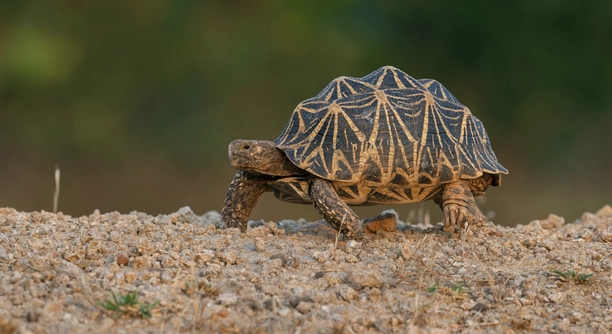
Turtles are fascinating creatures, but it can be worrying when they seem to bump into things repeatedly. Understanding their behavior can help alleviate concerns and guide you toward creating a safer environment for your pet.
The most common reason turtles bump into objects is that they are exploring their surroundings. Turtles rely heavily on their sense of touch, and they may unintentionally collide with objects as they navigate.
There are several factors that can contribute to this behavior, from their sensory limitations to habitat setup. Learning more about these can help improve your turtle’s quality of life.
Understanding Turtle Behavior
Turtles, like most reptiles, use their senses to explore and understand their environment. They don’t have the same level of vision that we do, so they depend more on their sense of touch and smell. When a turtle bumps into objects, it’s usually just part of their way of figuring out the space around them. Their shells might limit their vision in some directions, causing them to walk or swim into things by mistake. This can be especially noticeable when they’re in a new area or if they’re stressed.
Some turtles are naturally more curious than others, and they might be more active in exploring their surroundings. But just because they’re bumping into things doesn’t always mean something is wrong. In fact, it could just be a sign of their normal behavior. However, if you notice your turtle frequently running into objects or having trouble moving around, it might be time to check for issues like water quality or tank setup.
It’s also important to keep in mind that turtles are creatures of habit. They learn their environment over time, and repetitive behavior like bumping into things is often part of this learning process. Turtles are known for their patience, so they’ll likely continue exploring until they have a clear understanding of where everything is. If your turtle doesn’t seem distressed or injured, there’s probably nothing to worry about.
Environmental Factors
The environment your turtle lives in plays a big role in its behavior. If the space is cluttered or poorly arranged, it might cause your turtle to bump into things more often. A tank or enclosure with obstacles that are too large or too many can interfere with your turtle’s natural movement patterns. On the other hand, an overly barren environment might cause your turtle to feel stressed, which could also lead to increased bumping as it searches for comfort.
A proper enclosure includes hiding spots and safe spaces where your turtle can move around freely. If you notice your turtle consistently bumping into certain objects, it may be time to rearrange things to create a more spacious or accessible area. Turtles appreciate a bit of structure in their environment, but they need room to roam, too. Proper habitat maintenance can prevent stress and improve their overall well-being. Consider these factors to ensure your turtle has enough space to explore without constantly running into barriers.
Poor Vision or Orientation Issues
Turtles have limited vision, especially when they’re in water. They rely on their sense of touch and smell much more than sight. This can lead to them bumping into objects in their path. Poor lighting can also make things worse, as they won’t be able to see obstacles clearly.
In captivity, turtles might also struggle with orientation. If they don’t have enough light or a clear sense of their surroundings, they may not be able to distinguish between different objects in their habitat. This can make movement more difficult and result in frequent bumping into things. Even if the tank is large enough, poor lighting or placement can cause confusion.
In the wild, turtles have a much larger environment and can use their other senses to move around more naturally. In an enclosed space, however, this can become a challenge. Keeping the tank well-lit and clear of excess clutter can help them navigate more easily. Regularly adjusting the layout also ensures your turtle stays comfortable and doesn’t feel disoriented.
Stress or Anxiety
Stress can cause your turtle to act out in various ways, including bumping into things. A stressed turtle may be more active, wandering around erratically, or simply looking for a place to hide. The stress could come from various sources, such as loud noises, environmental changes, or lack of stimulation.
Turtles are sensitive creatures, and any sudden changes in their environment can lead to confusion or anxiety. For instance, new tank mates, changes in water temperature, or even irregular feeding schedules can trigger stress. When your turtle is stressed, it may not behave normally, and that can include more frequent collisions with objects.
To minimize stress, ensure that your turtle has a consistent and quiet environment. Keep the temperature stable, provide hiding spots, and avoid unnecessary disturbances. Regular routines, including feeding and cleaning, can also help your turtle feel more secure and less likely to bump into things due to anxiety.
Inadequate Tank Space
If your turtle doesn’t have enough space to move freely, it may start bumping into things more often. A cramped environment can make them feel trapped, leading to more erratic movements as they try to find a way out.
A tank that is too small can restrict their natural movement patterns, causing them to stumble into obstacles. Turtles need enough room to swim, bask, and explore. If your tank feels crowded, it may be time to upgrade to a larger one to give your turtle more freedom.
Illness or Injury
Sometimes, physical issues like illness or injury can lead to bumping. If your turtle is sick or hurt, it may have difficulty moving or navigating its habitat properly. These physical challenges can cause disorientation or stumbling.
If you notice your turtle is bumping into things more than usual and seems lethargic or has difficulty swimming, a vet visit may be necessary. Injuries or infections can lead to balance problems, and addressing any health concerns will help your turtle move around more comfortably.
FAQ
Why does my turtle keep bumping into the glass of the tank?
If your turtle is bumping into the glass, it may be trying to explore or simply doesn’t recognize the glass as a barrier. Turtles use their sense of touch and smell to navigate, and they may not always be able to see the glass clearly. Over time, they may get used to the tank’s boundaries, but if they continue to do this, you could try adjusting the tank’s lighting to make the glass more visible to them.
How can I prevent my turtle from bumping into things?
To help prevent your turtle from bumping into things, make sure the tank is spacious and free of unnecessary obstacles. Ensure there’s enough room for your turtle to move around comfortably. You can also add hiding spots and structures that your turtle can use for navigation. Providing clear boundaries, with good lighting, will help your turtle understand the space better.
Can my turtle’s tank be too small?
Yes, a small tank can lead to your turtle feeling cramped and disoriented, causing it to bump into things more often. Turtles need space to swim and move around naturally. Make sure the tank size fits your turtle’s species and size. A larger tank will help reduce this behavior and allow your turtle to feel more comfortable.
Is it normal for a turtle to bump into its tank when it’s hungry?
Yes, it’s normal for turtles to act more aggressively or erratically when they are hungry. They may swim into the glass or try to bump into things because they’re actively looking for food. If your turtle is bumping into things around feeding time, it’s likely trying to communicate that it’s hungry.
Could my turtle be stressed when it keeps bumping into things?
Yes, stress can cause turtles to behave erratically, including bumping into objects. A stressed turtle might try to escape or move around aimlessly. Common stressors include changes in water temperature, loud noises, or environmental changes like new tank mates. Make sure the tank conditions are stable and quiet to minimize stress.
How do I know if my turtle is sick or just bumping into things by accident?
If your turtle is consistently bumping into things but also shows other signs of illness, such as lethargy, loss of appetite, or abnormal swimming behavior, it may be sick. Illness or injury can cause disorientation, making it harder for the turtle to navigate. It’s important to monitor your turtle for other signs of illness, and if you’re unsure, consult a vet.
Is poor lighting causing my turtle to bump into things?
Poor lighting can definitely contribute to a turtle bumping into things. Turtles rely on their senses to navigate, and inadequate lighting can make it difficult for them to see obstacles clearly. Ensure your turtle’s tank is well-lit, with a balanced light source to help it navigate easily.
Can tank decorations cause my turtle to bump into things?
Yes, excessive or poorly placed tank decorations can obstruct your turtle’s movement. Too many large decorations can cause your turtle to bump into them as it tries to explore. While it’s important to provide hiding spots and structures for enrichment, be sure that they don’t overcrowd the tank or create too many barriers for your turtle to navigate.
Is my turtle’s age affecting its ability to navigate?
Older turtles can sometimes struggle with mobility and coordination, which may lead to more frequent bumping into things. As turtles age, they can experience joint stiffness, reduced vision, or other health issues that can affect their movement. If you notice a change in behavior as your turtle gets older, it might be worth consulting a vet to check for any age-related conditions.
Could my turtle’s behavior be a sign of boredom?
Yes, if a turtle is bored, it may start moving around more aimlessly, possibly bumping into objects in the process. Turtles are naturally curious and need stimulation to stay happy. Providing enrichment like different textures, toys, or live plants can help keep your turtle entertained and prevent it from bumping into things due to boredom.
When should I be worried about my turtle bumping into things?
It’s important to watch for any signs of distress or injury if your turtle is bumping into things frequently. If your turtle is also lethargic, stops eating, or seems to be in pain, it could be a sign of an underlying issue. If the behavior persists or worsens, it’s a good idea to consult a vet to rule out health problems.
Final Thoughts
Turtles are unique creatures with specific needs and behaviors. If your turtle is bumping into things, it is often a sign of natural exploration or an adjustment to its environment. They rely on their sense of touch and smell to navigate, so minor collisions may be normal. However, frequent or sudden behavior changes, such as bumping into objects more than usual, could indicate a need for improvement in their habitat or health. Understanding the reasons behind this behavior is important to ensuring your turtle’s comfort and well-being.
In many cases, simple changes can make a big difference. Providing a spacious tank, with clear boundaries and plenty of room to move around, is one of the most effective ways to reduce accidental bumps. Proper lighting and a clutter-free environment can help your turtle see its surroundings better, allowing it to navigate without constant collisions. If stress, illness, or injury is the cause, addressing these factors will help your turtle feel more at ease. Monitoring its health closely and providing a stable, quiet environment can go a long way in easing any discomfort.
If the behavior continues or seems to worsen, it’s always best to consult a vet. Sometimes, turtles may need medical attention or a professional assessment to rule out any underlying health concerns. Ensuring that your turtle has a comfortable and suitable environment, free from stress and obstacles, will not only prevent unwanted bumps but also improve its overall happiness and quality of life.

Hello,
If you enjoy the content that we create, please consider saying a "Thank You!" by leaving a tip.
Every little bit helps us continue crafting quality advice that supports the health, happiness, and well-being of pets around the world, for pets of all shapes, sizes, and species.
We really appreciate the kindness and support that you show us!