
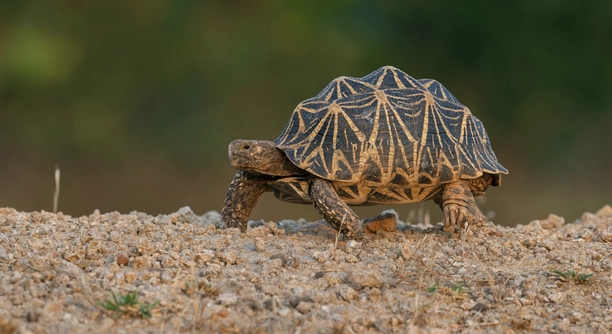
Turtles are popular pets, known for their calm nature and long lifespans. However, their housing needs can be quite specific. A small tank may seem like an easy option, but it’s not the best choice for your turtle’s well-being.
Keeping a turtle in a small tank can limit their space for movement, affect their health, and stress them out. Turtles require an environment that supports their natural behaviors and provides enough room for swimming, basking, and exploring.
There are various reasons why a small tank isn’t ideal for your turtle. Understanding these factors will help you provide a better living space that promotes their health and happiness.
Limited Space for Movement
Turtles need enough space to move around freely. A small tank restricts their ability to swim and stretch their legs, which can lead to physical discomfort. As a result, your turtle may become stressed, leading to health issues. It’s essential for their physical and mental well-being to have a spacious environment. Small tanks can also make it harder for turtles to regulate their body temperature, which is critical for their digestion and overall health. When they’re confined to a tiny space, it becomes harder for them to behave naturally, which can affect their happiness and longevity.
A larger tank allows turtles to engage in behaviors like swimming, exploring, and basking, which is necessary for their overall health.
Without enough room, your turtle may not feel secure. They can become anxious, and this can show in behaviors like excessive hiding or even aggression. Giving your turtle more space helps reduce stress and provides a more comfortable environment where they can thrive.
Poor Water Quality
A small tank often leads to poor water quality. With less water to filter and maintain, toxins build up much faster, which can harm your turtle’s health. A larger tank makes it easier to keep the water clean and balanced. Water quality is vital for turtles as they spend much of their time submerged. A tiny tank doesn’t allow for proper filtration, which means the water can quickly become murky and full of harmful bacteria. This poor water quality can lead to shell rot, respiratory infections, and other health concerns.
Keeping the water clean is essential to prevent illness and keep your turtle happy. Regular water changes and proper filtration become much harder to manage in a small tank. This can lead to stress and discomfort for your turtle, leaving you with the responsibility of constantly cleaning and treating the water. Proper water conditions are crucial for turtles to stay healthy and active.
It’s best to invest in a tank that’s large enough to allow for an effective filtration system, making maintenance easier and keeping your turtle’s home clean and safe.
Inadequate Basking Area
A small tank doesn’t offer enough room for a proper basking area. Turtles need a dry spot where they can warm up under a heat lamp. In cramped spaces, they may struggle to find a comfortable spot, leading to stress.
Without a proper basking area, your turtle may develop shell problems, as they can’t fully dry off. This can lead to skin infections or other health issues. Basking is a vital part of their routine, helping them regulate body temperature and support their immune system.
In a tiny tank, there is no space for a proper ramp or platform, which can make it difficult for your turtle to access the basking area. This leads to frustration and discomfort, and over time, your turtle’s health can deteriorate if they can’t bask effectively. Ensuring enough room for both swimming and basking is crucial for a happy, healthy turtle.
Limited Socialization Opportunities
Turtles are often solitary creatures, but they do benefit from being able to observe their surroundings. In a small tank, there’s little room for them to explore, which can cause boredom and inactivity.
Turtles need space to move around, not only for physical health but also for mental stimulation. When confined to a tiny tank, they lack the ability to engage with their environment in a way that supports healthy behavior. Over time, this leads to lethargy and disinterest in their surroundings.
When they have more space, turtles can interact with their habitat, climbing rocks, swimming around, and exploring new areas. This helps them stay engaged and active, improving both their physical and mental health. Giving your turtle room to explore makes all the difference in their quality of life.
Lack of Room for Natural Behavior
Turtles thrive when they have space to exhibit their natural behaviors. A small tank restricts their ability to move freely, explore, and interact with their environment. These behaviors are essential for their well-being.
Without enough space, turtles can become stressed and exhibit abnormal behaviors, like excessive hiding or aggression. This restricts their ability to live naturally, leading to long-term health issues. A larger tank gives them the room they need to roam, swim, and bask.
Difficulty in Temperature Regulation
Turtles require a temperature gradient in their environment to regulate their body temperature. A small tank makes it difficult to maintain these temperature changes effectively.
With little space, it’s hard to provide the warmth and cool areas your turtle needs to stay healthy. Temperature imbalances can stress them out and even cause health problems, such as metabolic issues. A larger tank allows for better control over the heat, helping your turtle thrive.
Poor Lighting Conditions
Proper lighting is essential for turtles. A small tank limits your ability to provide adequate lighting, which affects their health.
Without the right light, turtles may experience poor shell growth, weakened immune systems, and other health problems. It’s important to ensure they get UVB light, which is vital for calcium absorption. In a small tank, it’s hard to provide the full spectrum of light that they need to stay healthy.
FAQ
Why can’t I keep my turtle in a small tank?
A small tank doesn’t provide enough space for a turtle to move freely, which can lead to stress and health issues. Turtles need room to swim, bask, and explore their environment, all of which are critical for their well-being. In a cramped tank, the water quality also deteriorates more quickly, which can lead to diseases and infections. Without proper space, your turtle won’t be able to exhibit natural behaviors, which can negatively impact their physical and mental health.
What size tank is best for a turtle?
The general rule of thumb is that the tank should be at least 10 gallons of water per inch of turtle shell length. For example, a 4-inch turtle should have a 40-gallon tank, and a 6-inch turtle would need a 60-gallon tank. The more space, the better. A larger tank allows for a proper basking area, swimming room, and better filtration.
How does a small tank affect the water quality?
In a small tank, there is less water to filter, which means toxins and waste build up faster. This makes it harder to maintain clean water. Poor water quality can cause a range of health problems for turtles, including skin infections, shell rot, and respiratory issues. With more space, the water remains cleaner longer, making it easier to manage and healthier for your turtle.
How do I provide a proper basking area for my turtle?
A proper basking area should be dry and large enough for your turtle to fully rest. In a small tank, it’s difficult to fit a platform or ramp that allows your turtle to access the basking spot easily. A larger tank provides more space to create a suitable basking area, ensuring that your turtle can get enough heat to digest food and maintain good health.
Can a small tank cause stress to my turtle?
Yes, keeping a turtle in a small tank can lead to stress. Turtles are naturally active creatures, and in a cramped space, they may feel trapped. Stress can lead to a weakened immune system, decreased appetite, and abnormal behaviors. Giving your turtle more room to swim and explore helps reduce stress and promotes a healthier, happier life.
What happens if my turtle doesn’t have enough space to move?
If your turtle doesn’t have enough room to move, it can lead to physical and mental problems. Turtles need room to swim and explore their environment to stay active and healthy. Without enough space, they can become lethargic, lose weight, or even develop deformities in their shells. Movement is essential for keeping their muscles strong and their overall health intact.
Can a small tank lead to poor shell growth?
Yes, a small tank can affect shell growth. Turtles need space to move freely, and when confined to a small tank, they may not get the exercise needed for proper shell development. Additionally, poor water quality in a small tank can result in skin and shell problems, which can impact shell growth. A larger tank with clean water and plenty of space for movement promotes proper shell growth and overall health.
How often should I change the water in a small tank?
In a small tank, water needs to be changed more frequently to keep it clean. Depending on the size of the tank and the number of turtles, you might need to change the water every few days or once a week. Poor water quality can build up quickly, which is harder to manage in a smaller tank. In a larger tank, water changes are needed less often, and it’s easier to maintain clean water.
How can I maintain the right temperature in a small tank?
In a small tank, it’s more difficult to create a proper temperature gradient, which is essential for a turtle’s health. Turtles need both warm and cool areas to regulate their body temperature. A small tank may not allow you to position heat lamps or cooling areas effectively. In a larger tank, you can easily manage temperature zones, providing your turtle with a comfortable environment.
Do I need special lighting for my turtle?
Yes, turtles need UVB lighting to help them absorb calcium and maintain healthy shells. In a small tank, it may be hard to provide adequate UVB lighting across the whole space. A larger tank gives you the ability to position the lights effectively, ensuring your turtle gets the right amount of exposure to UVB for proper bone health and shell growth.
What type of filter do I need for a small tank?
For a small tank, a strong filter is essential because water quality can degrade quickly. The filter should be powerful enough to handle the amount of waste produced by the turtle. However, even with the best filter, it’s still more difficult to maintain water quality in a small tank compared to a larger one. A larger tank allows for better filtration, making it easier to keep the water clean and healthy for your turtle.
Can a small tank affect my turtle’s social behavior?
Yes, a small tank can limit your turtle’s ability to explore and engage with its surroundings. Turtles are generally solitary, but they still benefit from environmental stimulation. When confined to a small space, turtles may become bored, leading to abnormal behavior like aggression or inactivity. A larger tank encourages natural behavior and allows your turtle to engage with its environment.
Is it better to house my turtle alone?
Turtles are solitary animals, and they can live alone without issues. However, if you are considering housing multiple turtles, a larger tank is necessary. Turtles need their own space, and overcrowding in a small tank can lead to stress, territorial disputes, and even fighting. It’s important to make sure your tank is large enough to accommodate more than one turtle if you plan to keep them together.
Final Thoughts
When it comes to keeping a turtle as a pet, it’s important to consider its needs for space and a healthy environment. Turtles are active creatures that need room to swim, bask, and explore. A small tank, while it may seem convenient at first, simply does not provide the space necessary for a turtle to live a healthy, happy life. Without enough room to move, your turtle can become stressed, which can lead to health problems and behavioral issues. It’s easy to overlook the importance of tank size, but providing your turtle with more space will significantly improve its well-being in the long run.
A larger tank not only ensures that your turtle has enough room to move around but also helps with water quality, which is crucial for its health. In a small tank, waste and toxins can build up much quicker, making it harder to maintain clean water. This can lead to respiratory problems, shell rot, and other serious health issues for your turtle. By providing a larger tank, you make it easier to maintain good water quality with better filtration, and your turtle will thrive in a cleaner environment. Furthermore, a larger tank allows you to create the right temperature and lighting conditions that are necessary for your turtle’s growth and well-being.
Finally, it’s worth remembering that turtles have specific needs that are best met in a spacious and well-maintained tank. While a small tank might be cheaper or easier to set up, it will only cause more problems for both you and your turtle down the road. Investing in a larger tank, proper filtration system, and proper lighting ensures that your turtle has the space and conditions to stay healthy, active, and stress-free. With the right care, your turtle will live a long and happy life, and the extra effort you put into creating the best environment will make a big difference.

Hello,
If you enjoy the content that we create, please consider saying a "Thank You!" by leaving a tip.
Every little bit helps us continue crafting quality advice that supports the health, happiness, and well-being of pets around the world, for pets of all shapes, sizes, and species.
We really appreciate the kindness and support that you show us!