
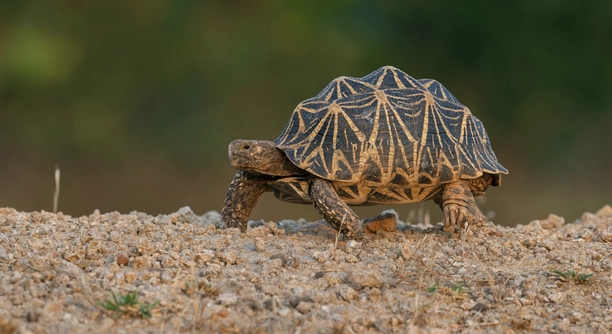
Creating a comfortable environment for your turtle is key to its health and well-being. A few simple adjustments can make a significant difference in how happy and relaxed your turtle feels in its tank.
To make your turtle more comfortable, ensure it has proper temperature regulation, clean water, and enough space to swim and bask. Additionally, providing hiding spots and the right type of food will help reduce stress.
With these basic factors in place, your turtle will thrive and enjoy its tank more.
Proper Temperature is Key
Maintaining the right temperature in your turtle’s tank is essential. Turtles are cold-blooded creatures, which means they rely on their environment to regulate body temperature. A heat lamp or heater will help you keep the water and basking areas warm enough for your turtle to thrive. If the water temperature is too cold, your turtle may become sluggish and more vulnerable to illness. On the other hand, if it’s too warm, your turtle could experience stress. Check the temperature regularly with a reliable thermometer to make sure it stays within the recommended range for your specific turtle species.
A basking area should also be provided, where the turtle can warm up under a heat lamp. This will mimic natural sunlight, which is essential for their metabolism and overall health.
Remember, different species have different temperature needs. Some may need water temperatures ranging from 75-85°F, while others may need slightly cooler or warmer conditions. Adjusting the tank to meet these specific needs will ensure your turtle stays comfortable and healthy.
Clean Water for Comfort
Turtles thrive in clean water. Keeping their tank free of waste and debris is crucial for their well-being. A good filtration system will help keep the water clean, but regular water changes are also necessary.
To make the process easier, set a routine to clean the tank every week or so. Changing about 25% of the water will reduce the buildup of harmful chemicals like ammonia. This helps prevent skin irritations and other health problems caused by unclean water. If your turtle’s tank becomes dirty, they may experience stress, which can lead to a decrease in their appetite or overall activity. Regular cleaning will keep your turtle’s environment healthy and comfortable.
Adequate Space to Swim and Explore
Turtles need space to move around freely in their tank. A cramped environment can cause stress and limit their ability to stay active. Make sure the tank is large enough for them to swim and bask comfortably. A good rule of thumb is that the tank should be at least 40 gallons for a small to medium-sized turtle, with more space as they grow.
A larger tank will give your turtle room to explore, which is important for its mental stimulation. Without adequate space, your turtle may become lethargic or exhibit unwanted behaviors like aggression. The more room they have, the more likely they are to remain healthy and active.
Give your turtle some variety in its space. A combination of shallow and deep areas will allow them to dive and rest as needed. This way, they can choose where to go depending on their needs, making it easier for them to relax and feel safe.
Provide Hiding Spots for Security
Turtles need places where they can hide and feel secure. Hiding spots help reduce stress, as they provide a safe space to retreat to when they feel overwhelmed. You can use aquarium rocks, logs, or specially designed turtle hides to create these spots.
These hiding spots should be placed near the bottom of the tank, allowing the turtle to easily access them whenever it needs a break from swimming or basking. It’s important that these hiding places are large enough for your turtle to enter and exit comfortably, without feeling trapped or restricted.
Providing hiding spots simulates their natural environment, where turtles can seek shelter in the wild when they need a moment of rest. It also helps prevent anxiety, which can be triggered if the turtle feels exposed or vulnerable. Make sure to have at least one or two hiding spots in the tank for your turtle’s comfort and well-being.
Proper Lighting
Turtles need UVB lighting to stay healthy. UVB rays help them produce vitamin D3, which is essential for absorbing calcium and keeping their bones strong. Without proper UVB exposure, your turtle could develop shell deformities or other health issues. A special UVB bulb should be used in combination with a heat lamp.
Make sure to replace the UVB bulb every 6 to 12 months, as its effectiveness diminishes over time. Position the light above the basking area, ensuring your turtle can easily access it.
Correct Diet
Feeding your turtle the right food is essential to its well-being. A balanced diet, including both plant matter and protein, will help your turtle grow and stay healthy. Offer leafy greens, vegetables, and some insects or pellets to meet all their nutritional needs.
Keep in mind that turtles have specific dietary requirements depending on their species. Some may need more protein, while others benefit from more plants. Offer a variety of foods, but avoid overfeeding, as it can lead to obesity or other health problems.
Tank Maintenance
Regular tank maintenance is essential to keep your turtle comfortable. Besides changing the water and cleaning the filter, check for any algae growth or debris on the tank’s walls and decorations. Clean these regularly to avoid unhealthy conditions.
A clean tank also helps prevent the buildup of harmful bacteria, which can affect both the water quality and your turtle’s health. Ensuring a healthy environment with proper maintenance will keep your turtle safe and stress-free.
FAQ
How often should I clean my turtle’s tank?
You should clean your turtle’s tank regularly to keep the water fresh and free of waste. Perform partial water changes about once a week, replacing 25-30% of the water. Full tank cleanings, including scrubbing the decorations and checking the filter, should be done monthly.
Frequent cleaning prevents harmful bacteria from building up, which could cause infections or other health issues for your turtle. However, be mindful not to stress your turtle out during cleaning. It’s helpful to temporarily move your turtle to a safe holding container while cleaning the tank.
What type of food should I feed my turtle?
Turtles need a balanced diet of both animal and plant-based foods. Offer leafy greens like kale or romaine lettuce, and supplement with protein sources such as worms, crickets, or specially formulated turtle pellets. You can also feed them fruits occasionally, but avoid too much sugar.
Each turtle species has specific dietary needs, so be sure to research your turtle’s particular requirements. Overfeeding can lead to obesity, so be careful with portion sizes and feed them in moderation. Ensure the food is cut into bite-sized pieces for easier digestion.
How do I know if my turtle is sick?
If your turtle seems lethargic, refuses to eat, or has unusual swelling or discharge from its eyes or nose, these could be signs of illness. Shell rot, discoloration, and abnormal behavior are also red flags. A healthy turtle should be active, eating regularly, and swimming without difficulty.
If you notice any signs of illness, it’s important to consult a vet experienced with reptiles. Early detection and treatment are crucial for your turtle’s health and recovery. Be sure to monitor your turtle regularly to catch any potential issues early.
How much space does my turtle need?
Turtles need ample space to swim, explore, and bask. The minimum tank size for a small to medium turtle is 40 gallons, with larger tanks needed as your turtle grows. The tank should also have areas for both swimming and basking to mimic natural environments.
An overcrowded tank can lead to stress and health issues. Make sure to give your turtle enough space to move around freely and access its basking spot. Providing proper space is essential for your turtle’s comfort and well-being.
Can I keep more than one turtle in the same tank?
Yes, you can keep multiple turtles in the same tank, but you need to ensure the tank is large enough for them. Turtles can be territorial, so they need enough space to avoid conflict. You may need to monitor them for any signs of aggression, such as biting or chasing.
Also, be mindful of the species of turtles you are keeping together. Some species are more social than others, and mixing incompatible types can lead to stress or fighting. It’s crucial to ensure that your tank is spacious enough to support more than one turtle comfortably.
What type of lighting do turtles need?
Turtles need UVB lighting for healthy bone development and overall well-being. UVB helps them synthesize vitamin D3, which is crucial for calcium absorption. Without UVB, your turtle may develop shell deformities or metabolic bone disease. A heat lamp should be used in combination with the UVB light.
The UVB light should be positioned over the basking area, where the turtle can get direct exposure. Replace the UVB bulb every 6-12 months, even if it still works, as the UVB output diminishes over time. Always ensure the light provides the proper UVB range for your turtle’s species.
How can I help my turtle shed its scutes?
Turtles shed their scutes (the outer layer of their shell) naturally, but improper conditions can interfere with this process. Ensure the water is kept clean and the tank has proper humidity levels. A healthy diet rich in calcium and vitamins is essential to support shedding.
If you notice that your turtle’s scutes are not coming off naturally or seem stuck, avoid trying to peel them off yourself. This could lead to injury or infection. Instead, consult a vet for advice on how to handle the shedding process.
Why is my turtle basking so much?
Basking is normal behavior for turtles, as they need heat and UVB exposure to regulate their body temperature and metabolize nutrients. If your turtle is basking more than usual, check the temperature and lighting. It could be a sign that the basking area is too cold, or they are not getting enough UVB.
However, if your turtle is basking excessively without swimming or eating, it might be stressed, sick, or uncomfortable. Ensure that the tank conditions are ideal and that the turtle’s environment is free from any potential stressors.
Can I handle my turtle often?
Turtles are not as social as some other pets and may not enjoy being handled frequently. Over-handling can stress them out, leading to behavioral changes like biting or hiding. It’s important to limit handling to when absolutely necessary, such as during tank cleaning or vet visits.
When you do handle your turtle, always be gentle and avoid sudden movements. Turtles are delicate creatures, and rough handling can cause injury or stress. Make sure to wash your hands before and after handling to prevent any risk of contamination.
How do I prevent algae growth in my turtle tank?
Algae growth in your turtle’s tank is common, but it can quickly get out of hand if not controlled. To reduce algae, ensure your tank is not exposed to direct sunlight for long periods, as this promotes growth. A good filtration system also helps control algae.
You can also manually remove algae from tank walls, rocks, and decorations using an algae scraper or sponge. Regular water changes help keep the tank’s environment in check. Avoid overfeeding, as excess food can lead to algae blooms by adding more waste to the tank.
How long do turtles live?
Turtles have long lifespans, with some species living 50 years or more, and others can even live up to 100 years in the wild. The lifespan of a pet turtle depends on factors like species, tank conditions, and care. Proper care can extend your turtle’s life significantly.
Providing the right diet, temperature, lighting, and living conditions will help your turtle live a long and healthy life. Regular veterinary checkups are also essential for maintaining their health over the years.
Final Thoughts
Taking care of a turtle involves several key factors, from providing the right environment to maintaining proper care routines. Ensuring your turtle’s tank is the correct size, clean, and well-maintained will help create a comfortable living space. Temperature and lighting are equally important, as turtles need proper heat and UVB exposure to thrive. Keeping their water clean and regularly changing it will prevent the buildup of harmful bacteria, which could cause health issues.
Feeding your turtle the correct diet is also essential. A mix of plant-based foods and protein will keep them strong and healthy. Avoid overfeeding, as this can lead to health problems such as obesity. It’s important to monitor your turtle’s eating habits and adjust their diet based on their species and size. Each turtle species has specific dietary needs, so doing a bit of research will help you create the best feeding plan. Providing hiding spots and enough space for swimming and basking is equally important to ensure your turtle feels safe and not stressed.
Taking these simple steps will help your turtle live a happy, healthy life. Regular tank maintenance, correct lighting, and a balanced diet are the foundation of good care. Understanding your turtle’s specific needs, whether it’s the right water temperature or proper food choices, will ensure your pet is comfortable. With the right environment and attention, turtles can live long, fulfilling lives, and you can enjoy their company for many years to come.

Hello,
If you enjoy the content that we create, please consider saying a "Thank You!" by leaving a tip.
Every little bit helps us continue crafting quality advice that supports the health, happiness, and well-being of pets around the world, for pets of all shapes, sizes, and species.
We really appreciate the kindness and support that you show us!