
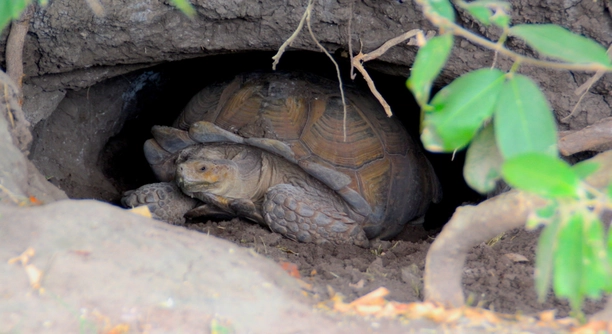
Sulcata tortoises are fascinating creatures, but sometimes they seem to disappear into their hiding spots all day. If you’ve noticed your tortoise hiding more than usual, there may be an underlying reason. Understanding why can help you care for your pet.
The main reason why your Sulcata tortoise hides all day could be related to stress, environmental factors, or even health issues. Tortoises are sensitive to changes in their surroundings, and hiding may be their way of coping with discomfort or fear.
There are various factors to consider when trying to understand your tortoise’s behavior. Identifying and addressing these issues will ensure your pet’s well-being and happiness. Keep reading to discover how to improve your tortoise’s environment.
Stress and Environmental Factors
Sulcata tortoises are highly sensitive to their environment. A sudden change in temperature, humidity, or lighting can cause them to feel stressed. These tortoises need warmth and a specific humidity level to thrive. If their habitat feels too cold or too hot, they may hide to avoid discomfort. A sudden move to a new area, or even a change in routine, can also make them feel unsettled. Tortoises often seek quiet, secure spots when they are overwhelmed by stress.
A sudden shift in their environment can trigger these hiding behaviors.
Make sure the habitat is kept within the ideal temperature range, usually between 75°F and 95°F. Providing hiding spots can help them feel secure, but it’s important to ensure that these spaces are warm enough. If you notice your tortoise hiding, check the setup first. Sometimes, a small adjustment to the light or heat source can make a big difference. When their environment feels safe and comfortable, they are less likely to retreat into hiding.
Health Concerns
Health issues may cause your Sulcata to seek hiding places. If your tortoise is in pain, feels unwell, or is not eating as usual, it may hide more often. Signs of illness include lethargy, lack of appetite, and abnormal shell or skin conditions. The first thing to do if you notice unusual hiding behavior is to inspect your tortoise for any signs of illness.
Ensure your tortoise has access to the proper diet and plenty of water.
Dehydration is one common issue for Sulcata tortoises. They need fresh water available at all times, and a balanced diet full of fiber and nutrients is crucial. If your tortoise isn’t eating properly or seems weak, this could be a sign of health problems. Check for swelling, discoloration, or cracks in the shell, as these could indicate infections or other issues. Stress and health concerns are often linked, so identifying the cause early can make a big difference in your tortoise’s health.
Temperature and Lighting Issues
If the temperature in your tortoise’s enclosure is too low or high, they might hide to escape discomfort. Sulcata tortoises are cold-blooded and need a heat source to regulate their body temperature. Without proper lighting, they won’t feel active or secure.
Heat lamps and UVB lighting should be provided to mimic natural sunlight. The temperature gradient in their habitat is crucial—one side should be warm, while the other can be cooler. The ideal temperature range for daytime is between 75°F and 95°F. If the lighting is insufficient, your tortoise might spend more time hiding to avoid feeling cold or lethargic. A basking area with a heat lamp can also provide them with a spot to warm up.
Check the enclosure regularly and monitor the temperature to ensure it remains consistent. Poor lighting or inadequate temperature control could lead to stress or health issues, which is why providing the right environment is so important. Small adjustments in temperature or lighting may help reduce hiding behavior and keep your tortoise happy and healthy.
Inadequate Space
A small enclosure can cause your tortoise to feel cramped and stressed, leading them to hide. Sulcata tortoises require plenty of space to roam, explore, and dig. Inadequate space can make them feel confined and anxious, resulting in them retreating into a corner or hiding for long periods.
Sulcata tortoises grow large and need an appropriately sized enclosure. They are naturally burrowers and need space to dig, which is an essential part of their behavior. Without enough room to move around, your tortoise may hide more often as a way of coping with the lack of freedom. Overcrowded enclosures can also cause additional stress.
To prevent this, ensure that the enclosure is large enough to meet your tortoise’s needs. Ideally, the space should be at least 10 square feet for a small tortoise, increasing as they grow. A spacious, enriched environment will encourage more natural behaviors and reduce hiding.
Overhandling
Excessive handling can stress your Sulcata tortoise and make it want to hide. While it’s natural to want to interact with your pet, overdoing it can cause discomfort. Tortoises are naturally solitary creatures, and too much attention can make them anxious.
If your tortoise hides more after being handled frequently, it’s a sign they need space. It’s important to allow them time to adjust to their surroundings without constant disruption. Letting them feel safe and undisturbed is key to reducing stress. Be sure to respect their boundaries and only handle them when necessary.
Noise and Movement
Loud noises or sudden movements can trigger hiding behavior in your tortoise. They are naturally cautious animals and tend to seek shelter when they feel threatened.
Avoid placing their enclosure in high-traffic areas or where there’s constant noise. A calm, quiet environment will help your tortoise feel more secure. If your tortoise has been hiding more recently, consider adjusting the location of its habitat to see if the noise levels are affecting its behavior.
Diet and Hydration
A poor diet or dehydration could also be contributing factors to your tortoise’s hiding. Sulcata tortoises need a fiber-rich diet with plenty of greens, hay, and access to fresh water. If they aren’t eating enough, they might retreat to a safe spot and stay hidden.
Check their food intake and make sure they have access to fresh food and water daily. Ensure the food is appropriate for their needs. A healthy diet can support their overall well-being and might reduce hiding behavior associated with discomfort or lack of energy.
FAQ
Why does my Sulcata tortoise hide all day?
Your Sulcata tortoise may hide for several reasons, including stress, environmental factors, or health issues. If the temperature or humidity isn’t right, they might seek out a hiding spot to feel more comfortable. Stress from overhandling, loud noises, or changes in their environment can also make them retreat. Additionally, if they’re feeling unwell, they may hide to avoid being exposed.
How do I know if my tortoise is stressed?
Signs of stress in a Sulcata tortoise can include hiding for long periods, lack of appetite, and unusual behavior. If your tortoise is not moving around much or seems withdrawn, it could be feeling stressed. Other signs may include biting, excessive scratching, or pacing in its enclosure. Stress can also lead to health problems if not addressed.
Can I handle my Sulcata tortoise often?
Handling your Sulcata tortoise occasionally is fine, but too much handling can cause stress. These tortoises are solitary and prefer to be left undisturbed. If you notice your tortoise hiding more after being handled, it might be a sign that it needs some space. Limit handling to avoid overwhelming it.
How much space does my Sulcata tortoise need?
Sulcata tortoises require a large enclosure to thrive. A minimum of 10 square feet of space is recommended for a small tortoise, and this should increase as they grow. Tortoises are naturally burrowers, so they need enough space to dig and move around. Providing a larger enclosure will reduce stress and promote healthy behavior.
What temperature should I maintain for my Sulcata tortoise?
Sulcata tortoises need a temperature range of 75°F to 95°F during the day. A heat source, like a heat lamp, should be provided to create a basking area where the tortoise can warm up. The temperature in the rest of the enclosure should be cooler. A consistent temperature is essential for their well-being.
Is my tortoise’s hiding behavior related to its health?
Yes, hiding behavior can sometimes indicate health problems. If your tortoise is hiding more than usual and showing signs like lethargy or lack of appetite, it could be sick. Health issues such as respiratory infections, dehydration, or shell problems can cause them to retreat into hiding. Make sure to monitor any other unusual signs and consult a vet if needed.
Can poor diet cause my tortoise to hide?
Yes, a poor diet can lead to a lack of energy, which might make your tortoise hide more often. Sulcata tortoises require a diet rich in fiber, with plenty of hay, grasses, and leafy greens. If they aren’t eating properly, they may not feel strong enough to stay active and will spend more time in hiding. Ensure they have fresh food and water every day.
How can I help my Sulcata tortoise stop hiding?
To reduce hiding behavior, start by ensuring the enclosure has the right temperature, humidity, and space. Avoid overhandling, and try to place the habitat in a quiet area where the tortoise won’t be disturbed. Offering a balanced diet, proper hydration, and regular checkups for health issues are also essential. Small changes to its environment can make a significant difference in its behavior.
Should I be concerned if my tortoise is hiding during the night?
No, it’s completely normal for Sulcata tortoises to hide during the night. These animals are crepuscular, meaning they are most active during the early morning or evening hours. It’s natural for them to seek a safe spot to rest during the night. However, if hiding occurs during the day and lasts for extended periods, it may indicate an issue that needs attention.
What are the best bedding materials for my Sulcata tortoise?
For bedding, natural materials like hay, coconut coir, or a mixture of soil and sand work best for Sulcata tortoises. These allow them to burrow, which is an important behavior for their well-being. Avoid using cedar or pine wood shavings, as these can be harmful to their respiratory system.
Can I let my Sulcata tortoise roam outside?
Yes, Sulcata tortoises can safely roam outside in a secure, enclosed area. They enjoy basking in the sun and exploring. However, ensure the outdoor space is predator-free and that the temperature is within their preferred range. If you live in a colder climate, avoid leaving them outside during the winter months.
What should I do if my Sulcata tortoise isn’t eating?
If your tortoise isn’t eating, first check its environment. Make sure the temperature, humidity, and lighting are correct. A lack of food intake can also be a sign of illness. Ensure the food you are offering is fresh and appropriate for their diet. If the issue persists, consult a vet to rule out health problems.
Why does my Sulcata tortoise bask but still hide?
Basking is a natural behavior for Sulcata tortoises, as it helps them regulate their body temperature. Even if they spend time basking, they may hide afterward to cool down or feel more secure. This is normal, as long as the hiding doesn’t seem excessive or associated with other signs of stress or illness.
Final Thoughts
Understanding your Sulcata tortoise’s behavior, particularly its tendency to hide, is important for ensuring its health and comfort. While it’s natural for these tortoises to hide occasionally, frequent hiding could indicate that something is wrong with their environment or health. It’s essential to observe their behavior closely and make sure their habitat is properly set up. Factors like temperature, lighting, and the overall size of the enclosure can greatly impact how your tortoise behaves. If you notice changes in their routine, such as increased hiding or lack of activity, it might be time to reassess their environment or even consult a vet.
Stress can be a big factor in your tortoise’s hiding. Overhandling or a noisy, busy area can make your tortoise feel unsafe, leading them to retreat more often. Allowing your tortoise time to adjust to its surroundings without being disturbed is key. Just like us, tortoises need a peaceful space to feel secure. Providing an environment where they can hide if they want to but also explore freely is the best way to make them feel comfortable. Ensuring they have plenty of space and places to dig, along with proper lighting and temperature, will go a long way in reducing stress and keeping them healthy.
If your tortoise is still hiding for extended periods, despite a proper setup, it could be a sign of a health problem. Illness or discomfort often causes tortoises to retreat to a quiet, secure spot. If you suspect your tortoise might not be feeling well, it’s important to act quickly. Seeking advice from a vet who specializes in reptiles will help ensure your tortoise gets the care it needs. With proper care, attention, and a suitable environment, your Sulcata tortoise should be able to live a long, happy life without excessive hiding.

Hello,
If you enjoy the content that we create, please consider saying a "Thank You!" by leaving a tip.
Every little bit helps us continue crafting quality advice that supports the health, happiness, and well-being of pets around the world, for pets of all shapes, sizes, and species.
We really appreciate the kindness and support that you show us!