
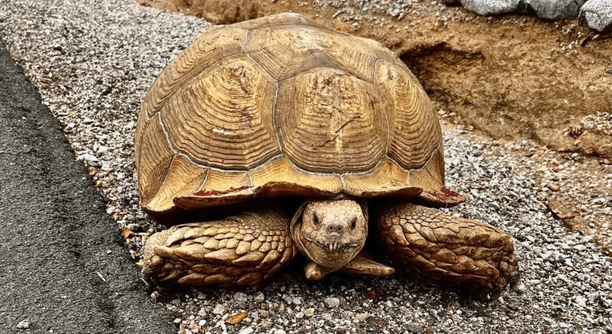
When setting up an enclosure for your sulcata tortoise, choosing the right plants is key. These plants not only enhance the habitat but also provide your tortoise with a nutritious diet and help create a more natural living space.
The best plants for a sulcata tortoise enclosure are those that are safe to eat, easy to grow, and able to thrive in warm, dry environments. Common choices include grasses, leafy greens, and succulents.
With the right selection of plants, you can create a thriving, sustainable environment for your sulcata tortoise. These plants are easy to manage and contribute to your pet’s well-being.
Grasses for Sulcata Tortoises
Grasses are a natural food source for sulcata tortoises, and they thrive well in their enclosures. Providing a variety of grasses, such as Bermuda or Timothy, is a great way to mimic their natural habitat. These plants are low-maintenance, hearty, and can grow quickly in the right conditions. Grasses also help with digestion and offer much-needed fiber for your tortoise’s diet. They prefer warm, sunny spots, so be sure to place them in areas with plenty of sunlight in the enclosure. These grasses can be grown in patches, allowing your tortoise to graze and forage as they would in the wild.
If your enclosure is small or if you want to make care easier, planting grass in containers can work well. Be sure to trim them back as needed to prevent overgrowth and to keep the enclosure tidy.
Overall, grasses are an essential plant for sulcata tortoises, helping to promote natural behavior and diet.
Leafy Greens for a Balanced Diet
Leafy greens are another must-have for sulcata tortoises.
Plants like dandelion greens, collard greens, and kale are rich in calcium and vitamins. They are also easy to grow and thrive in warm, dry environments. These plants should be part of the diet because they offer a variety of nutrients that are essential for shell health. The high calcium content in these greens promotes strong shell growth and can prevent metabolic bone disease. Be sure to grow these plants in your enclosure or add them fresh to your tortoise’s diet.
While sulcata tortoises can eat these greens every day, it is important to avoid overfeeding. Leafy greens should be part of a well-balanced diet, which includes grasses and other plants. When offering leafy greens, it’s important to wash them thoroughly to remove any pesticides or chemicals.
Succulents and Cacti
Succulents and cacti are perfect for adding variety to your sulcata tortoise’s enclosure.
Plants like prickly pear cactus or aloe vera can be a fun addition, offering both food and shelter. These plants are known for their ability to store water, which makes them drought-tolerant and low-maintenance. Cacti, in particular, can also help your tortoise stay hydrated by offering moisture in their flesh. Be careful to remove any sharp spines from cacti, as they could cause harm to your tortoise.
Succulents like jade plants or sedum are safe for tortoises to eat in moderation. While they don’t offer much in the way of nutrition, they can add texture and interest to the environment. They also thrive in the warm, dry conditions typical of sulcata tortoise enclosures. Succulents can also serve as hiding spots, providing your tortoise with shade or places to retreat.
Growing a variety of succulents and cacti adds richness to the habitat, and can help mimic the tortoise’s natural surroundings, making the enclosure feel more natural.
Clover and Other Ground Cover Plants
Clover is a great ground cover plant for sulcata tortoises, offering a natural source of food. It grows quickly, spreading easily to cover the ground, and is rich in nutrients like fiber, calcium, and vitamins. Clover also helps prevent erosion in the enclosure by providing a thick mat.
This plant grows well in sunny spots and requires little maintenance once established. It’s also a great way to keep your tortoise active as they forage. Planting clover will create a natural habitat, offering your tortoise both food and a comfortable, soft surface to walk on.
Another benefit is that clover is hardy and can withstand mild heat, making it suitable for the dry conditions of a sulcata tortoise enclosure. You can mix different types of clover, such as white clover or red clover, for variety. Be sure to trim back any overgrown areas to maintain a neat space.
Plantains and Their Benefits
Plantains are another excellent plant for sulcata tortoises to enjoy. These plants are not only edible but also easy to grow in your tortoise’s enclosure. Plantains have high fiber content, which aids in digestion and keeps your tortoise’s system healthy.
Plantains thrive in direct sunlight and dry soil, making them ideal for an enclosure with conditions similar to the tortoise’s natural environment. The leaves can be eaten by the tortoise, and the plant can be left to grow for long periods without much care. This makes them a practical and sustainable option.
In addition, plantains are known for their low maintenance needs. Once established, they can endure the warmer temperatures and dry conditions found in most sulcata tortoise enclosures. Their broad, sturdy leaves offer another advantage—they can serve as shade for your tortoise when it needs a break from the sun.
Fennel and Its Uses
Fennel is a useful plant for sulcata tortoises, offering both food and a place to hide. It grows quickly and is easy to maintain. Its mild flavor is safe for your tortoise and provides a refreshing addition to their diet.
This herb also adds variety to the enclosure with its tall, feathery leaves. Fennel can be planted in sections throughout the enclosure, giving your tortoise areas to explore and nibble on. Be sure to cut back any overgrowth so it doesn’t take over other plants in the area.
Mulberry Trees
Mulberry trees are an excellent addition to your sulcata tortoise’s enclosure. The leaves are edible and nutritious, providing vitamins and minerals that help maintain a healthy tortoise.
Mulberry trees also provide shade, which is important in keeping your tortoise cool during hotter months. When growing mulberry trees, they need to be in a space with full sunlight but with access to some shade to grow best. These trees can grow fairly large, so be sure to plant them in a spot with plenty of space for their roots and branches.
FAQ
What plants should I avoid in a sulcata tortoise enclosure?
Certain plants can be harmful to sulcata tortoises and should be avoided. These include plants like foxglove, oleander, and ivy, which are toxic to many animals, including tortoises. Avoid plants that are high in oxalates, like spinach, as they can cause kidney problems. It’s always a good idea to check if a plant is safe before introducing it to your tortoise’s enclosure. If you’re unsure, look up its potential toxicity or consult a vet.
Can I grow these plants indoors for my sulcata tortoise?
Some of the plants mentioned, like succulents or grasses, can be grown indoors in pots, provided there’s enough sunlight. However, sulcata tortoises need access to natural sunlight for their health, so it’s better if the plants are grown outside in their enclosure. If indoor growing is necessary, make sure to provide the plants with adequate artificial lighting to mimic the sun’s rays. This ensures they remain healthy and suitable for your tortoise.
How often should I water the plants in the enclosure?
Watering depends on the type of plant you’re growing. Grasses and leafy greens generally need to be watered regularly, but you should avoid overwatering, as sulcata tortoises prefer drier environments. Cacti and succulents, on the other hand, need very little water. Overwatering can cause them to rot, so always check the soil’s dryness before adding water. Try to water in the early morning or evening to avoid excessive evaporation in the heat.
Do I need to provide extra nutrients to the plants?
If you are using nutrient-rich soil and planting in a natural outdoor environment, you typically won’t need extra fertilizer. However, if you’re growing plants in containers, especially indoors, a mild, organic fertilizer can help. Be careful with fertilizer, as some can contain chemicals that might harm your tortoise if consumed. Always use fertilizers that are labeled safe for edible plants.
Can I plant these in the same enclosure as my tortoise?
Yes, most of these plants can be planted in the same enclosure as your sulcata tortoise. Many of the plants mentioned are not only safe to eat but also enhance the natural environment. Planting them directly in the enclosure allows the tortoise to graze and forage as they would in the wild. Be sure to leave some open spaces so they can easily move around without getting trampled. Avoid overcrowding the area to ensure both the plants and tortoise thrive.
How can I maintain the plants in the enclosure?
Maintaining the plants is relatively simple. Trim back any overgrown areas to ensure the plants don’t take over or become too difficult for the tortoise to access. Regularly check for dead leaves or stems that can be removed. If you are growing edible plants, monitor their growth to avoid overgrowing, as this could cause the tortoise to lose interest. Also, check for pests occasionally and remove any bugs to keep the environment healthy for both the plants and your tortoise.
Can I grow plants from seeds, or should I buy mature plants?
Both methods work, but growing from seeds can be more cost-effective and allow you to have a wider variety of plants in the enclosure. Growing from seed takes longer, but it’s a rewarding process. Buying mature plants is faster and allows you to have immediate coverage in the enclosure. If you’re just starting out or want to set up an enclosure quickly, buying mature plants might be the better option. However, if you’re looking for more variety and want to control the growing process, starting from seeds is a great choice.
Can my sulcata tortoise eat all these plants?
Most of the plants listed are safe for your sulcata tortoise to eat, but moderation is key. Offering a variety of plants will ensure they get a balanced diet. Always research the plant thoroughly before introducing it into the diet. Some plants are better as snacks, while others should be given more regularly. Avoid offering plants that are too high in moisture or have been treated with chemicals. If you notice any adverse reactions, stop feeding that plant and consult a vet.
What size enclosure is required to grow plants for a sulcata tortoise?
For growing plants and creating a comfortable space for your sulcata tortoise, you’ll need a large enclosure. These tortoises can grow quite large and need plenty of room to roam and graze. A 4×8 foot enclosure is a good starting point, but the larger, the better. This allows enough space for plants to grow while giving your tortoise room to move around. Make sure the space includes areas with both sun and shade to meet the needs of the plants and your tortoise.
Can I grow these plants year-round?
Many of these plants can be grown year-round in warm climates. If you’re in a colder area, you might need to bring certain plants indoors during the winter or grow them in pots that can be moved. Plants like succulents, cacti, and certain grasses are well-suited to dry, warm conditions, making them ideal for year-round growth in appropriate environments. In colder climates, it’s essential to bring in more sensitive plants to avoid frost damage.
Choosing the right plants for your sulcata tortoise’s enclosure is an important step in creating a healthy and natural habitat. Not only do the plants provide food, but they also contribute to the overall environment by offering shade, hiding spots, and enriching your tortoise’s living space. Plants like grasses, leafy greens, and succulents can thrive in the warm, dry conditions that sulcata tortoises enjoy. By selecting plants that are safe, easy to grow, and suited to the climate, you can make your tortoise’s enclosure more natural and comfortable.
It’s essential to maintain a balance between plant variety and care. While it can be tempting to fill the enclosure with many different plants, overplanting can lead to a crowded space that might hinder your tortoise’s movement. Be mindful of trimming plants and ensuring they have enough space to grow properly. Regular checks on the health of both the plants and your tortoise will help you keep the environment in top shape. If you notice a plant becoming overgrown or not thriving, consider replacing it with something better suited to the conditions.
The right selection of plants also contributes to your sulcata tortoise’s health and well-being. A varied diet is essential for their overall growth, and having plants that are rich in nutrients, like fiber and calcium, can promote a healthy digestive system and strong shell. Remember to keep a close eye on the plants’ growth, and don’t hesitate to remove any that may be harmful to your tortoise. Providing your sulcata tortoise with a natural, well-planted enclosure ensures that they have everything they need to live a happy, healthy life in a space that reflects their natural habitat.

Hello,
If you enjoy the content that we create, please consider saying a "Thank You!" by leaving a tip.
Every little bit helps us continue crafting quality advice that supports the health, happiness, and well-being of pets around the world, for pets of all shapes, sizes, and species.
We really appreciate the kindness and support that you show us!