
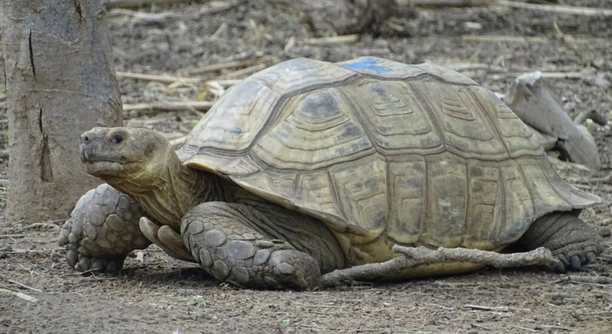
Sulcata tortoises are herbivores, and their diet mainly consists of grasses, hay, and leafy greens. However, pet owners often wonder about adding variety to their tortoises’ meals. This article will explore whether oats can be a good option for them.
Sulcata tortoises can eat oats, but it should not be a regular part of their diet. Oats are high in starch and not nutritionally suited for them in large quantities. Offering oats occasionally, in moderation, is fine.
Knowing the right foods to give your tortoise ensures they stay healthy. Let’s examine how oats fit into their overall diet and what to keep in mind when feeding them.
Can Sulcata Tortoises Eat Oats Regularly?
While oats are not toxic to Sulcata tortoises, they shouldn’t be part of their daily diet. These tortoises thrive on a variety of grasses and leafy greens, which provide the necessary nutrients they need for healthy growth and shell development. Oats, on the other hand, are high in starch, which is not ideal for them in large amounts. If you feed them oats too often, it can lead to digestive issues, obesity, and other health problems. A balanced diet of fresh, fiber-rich plants is best to keep your tortoise active and healthy.
Moderation is key when it comes to oats. Offering small portions occasionally is generally safe. If you’re looking to supplement your tortoise’s diet, focus on grass hay, leafy greens, and low-calcium vegetables. Too many oats can also upset the balance of nutrients in their system.
In conclusion, oats can be given to Sulcata tortoises in moderation. They are not harmful, but they should never replace the essential grass and greens that form the bulk of their diet. Regular, nutritious food will keep your tortoise in great condition for years to come.
Nutritional Value of Oats for Sulcata Tortoises
Oats are primarily a source of carbohydrates and fiber. They contain some protein, vitamins, and minerals but are not rich in calcium or other essential nutrients that Sulcata tortoises need for proper bone health. This makes them an incomplete food option. Oats can be a fun treat, but they should not be relied on for their nutrition.
While oats can offer a bit of variety, they are not suitable for daily feeding. Tortoises need food with higher fiber content, like grasses, to support their digestion and prevent issues such as impaction. Too much starch from oats can upset this balance. Stick to fresh plants like dandelion greens, clover, or timothy hay to meet their dietary needs.
Potential Risks of Feeding Oats to Sulcata Tortoises
Feeding oats regularly can cause weight gain in Sulcata tortoises. Oats are calorie-dense, and too many calories can lead to obesity, which may negatively impact your tortoise’s overall health. Obesity can cause joint stress and other issues over time. It’s important to monitor your tortoise’s body condition and avoid overfeeding them oats.
Another concern with oats is their lack of calcium. Calcium is crucial for a tortoise’s shell health, and oats don’t provide enough of it. If oats replace more nutrient-rich foods, it could lead to metabolic bone disease. This condition weakens the bones and shell, making it difficult for your tortoise to grow and thrive. Always ensure your tortoise has a calcium-rich diet, especially if you’re feeding them occasional treats like oats.
Additionally, oats may not be easily digestible for Sulcata tortoises. Their digestive systems are built to process fibrous, high-cellulose plants. The starch content in oats can lead to bloating or other gastrointestinal problems if consumed too often. Keeping a balance in their diet ensures a healthier digestive process.
Alternatives to Oats for Sulcata Tortoises
There are plenty of healthy options to feed your Sulcata tortoise instead of oats. High-fiber grasses such as Bermuda or timothy hay are ideal for their diet and mimic their natural food sources. Offering a variety of leafy greens, like collard greens, kale, or dandelion leaves, will help provide essential nutrients. These foods are lower in starch and contain the calcium Sulcata tortoises need for strong bones and shells.
You can also occasionally offer safe fruits like watermelon, strawberries, or apples in small amounts. These fruits add variety without the risk of overfeeding oats. However, they should still be given sparingly to avoid too much sugar. Remember, a diet rich in fiber and low in sugars will help maintain your tortoise’s health and prevent complications.
Adding variety to your tortoise’s meals helps keep their diet interesting while ensuring they get the nutrients they need. Fiber-rich plants should make up the majority of their food intake, while treats like fruits should be reserved for rare occasions. This approach provides a healthy balance without overloading their system with too much starch or sugar.
How Often Can You Feed Oats to a Sulcata Tortoise?
Oats should only be fed to Sulcata tortoises occasionally. A few times a month is plenty, as it should not make up a significant part of their diet. Too many oats can interfere with their nutrition balance, so moderation is key.
As an occasional treat, oats can be fun for your tortoise, but it’s important to avoid overfeeding them. Keep the portion small and make sure their main meals are still focused on grasses and leafy greens. These foods provide the necessary nutrients for proper health.
Signs Your Sulcata Tortoise Isn’t Digesting Oats Well
If your Sulcata tortoise starts showing signs of bloating, lethargy, or difficulty moving after eating oats, it could be a sign that they’re not digesting them well. Their digestive system isn’t designed to handle starchy foods regularly.
These symptoms may indicate that the oats have upset their digestive system, causing discomfort. If you notice any of these signs, it’s best to stop feeding them oats and focus on their regular, high-fiber meals. It’s important to monitor their condition to ensure they remain healthy.
Safe Treats for Sulcata Tortoises
Instead of oats, you can offer other safe treats like flowers, such as hibiscus or dandelions, which are nutritious and safe. These flowers provide variety and are natural foods that Sulcata tortoises would encounter in the wild.
Can Sulcata tortoises eat oats every day?
No, Sulcata tortoises should not eat oats every day. While oats are not harmful in small amounts, feeding them daily can disrupt their digestive system. Oats are high in starch, which can lead to obesity and other health problems if overfed. Their natural diet consists mainly of grasses and leafy greens, which are far more suitable for their digestive system and overall health. Instead of making oats a regular part of their meals, it’s best to offer them only occasionally as a treat. Too much starch can cause issues like bloating, and it’s important to focus on foods that mimic their natural diet.
Are oats good for Sulcata tortoises?
Oats are not particularly good for Sulcata tortoises, as they do not provide the necessary nutrients for their well-being. While they are not toxic, oats are high in carbohydrates and lack the essential vitamins and minerals that tortoises need for strong bones and a healthy shell. Their digestive system is built to process fibrous, high-cellulose plants, so a diet heavy in oats may cause digestive issues like constipation or bloating. Instead of oats, Sulcata tortoises thrive on a diet rich in grasses, hay, and leafy vegetables that provide the proper balance of nutrients and fiber.
What happens if Sulcata tortoises eat too many oats?
If Sulcata tortoises eat too many oats, they risk developing obesity due to the high-calorie content in oats. Obesity can place strain on their joints and internal organs, leading to health issues such as metabolic disease or shell deformities. The starch in oats can also disrupt their digestion, causing bloating or gastrointestinal problems. Since Sulcata tortoises are herbivores, it’s crucial to stick to a diet that mimics what they would naturally find in the wild—grasses, hays, and leafy greens. Feeding too many oats could throw off their digestive balance and lead to long-term health problems.
What are some signs of overfeeding oats to a Sulcata tortoise?
Overfeeding oats can cause several signs of discomfort or health issues in a Sulcata tortoise. These include bloating, lethargy, difficulty moving, or changes in their eating habits. If your tortoise seems sluggish or avoids eating their usual foods, it may be a sign that the oats are upsetting their digestion. Another red flag is if they start showing signs of weight gain. Obesity can lead to joint stress and make it harder for them to move around, which can affect their overall quality of life. Always keep an eye on their behavior and adjust their diet accordingly.
What can I feed my Sulcata tortoise instead of oats?
Instead of oats, provide your Sulcata tortoise with a variety of grass hay, such as Bermuda or Timothy hay, which are high in fiber and low in starch. They also enjoy leafy greens like dandelion greens, collard greens, and mustard greens. Occasionally, you can offer them safe vegetables like squash, zucchini, and cucumbers. It’s important to avoid high-calcium vegetables like spinach and kale too frequently, as they can interfere with calcium absorption. For treats, try offering flowers like hibiscus, dandelions, and clover, which are safe and nutritious for tortoises. Variety and moderation are key in ensuring a healthy diet.
Can oats cause shell problems in Sulcata tortoises?
Oats themselves are unlikely to directly cause shell problems in Sulcata tortoises. However, if oats are overfed, they may contribute to weight gain and metabolic issues that indirectly affect the tortoise’s shell. Obesity in tortoises can lead to joint stress, which affects their movement and growth. Over time, this could result in poor shell development or deformities. For optimal shell health, focus on a balanced diet high in fiber and calcium, which will better support their skeletal system. Keeping their diet in line with what they would naturally eat in the wild will ensure their shell stays strong and healthy.
How often can I give my Sulcata tortoise oats as a treat?
Oats should be given to your Sulcata tortoise only occasionally, around once or twice a month at most. It’s important not to make oats a regular treat, as they do not offer the necessary nutrients for a balanced diet. They can be offered in small amounts as a special treat to add some variety, but they should never replace their main food source, which should consist primarily of grass, hay, and leafy greens. Keep portions small and make sure that oats are just one of many occasional treats rather than a frequent snack. Moderation is key to maintaining a healthy diet for your tortoise.
Are there any benefits to feeding Sulcata tortoises oats?
The main benefit of feeding Sulcata tortoises oats is the variety it can provide in their diet. While oats aren’t the most nutritious option, they do offer some fiber and carbohydrates that can serve as an occasional treat. This can be a fun way to enrich their meals and keep them from getting bored with the same foods. However, the benefits are minimal compared to the health benefits that come from feeding them a diet rich in grasses and leafy vegetables. The best approach is to use oats sparingly while focusing on more nutritionally balanced foods.
Can oats help with constipation in Sulcata tortoises?
Oats may provide some temporary relief if a Sulcata tortoise is slightly constipated due to their high fiber content. However, they should not be used as a go-to solution for constipation. It’s important to focus on their regular diet, which should already include high-fiber foods like hay, grasses, and leafy greens. If your tortoise experiences consistent constipation, it could be a sign of a more serious issue, such as dehydration or an improper diet. In such cases, it’s best to consult a veterinarian for advice rather than relying on oats as a treatment.
When it comes to feeding your Sulcata tortoise, it’s important to stick to a diet that closely matches what they would eat in the wild. Their natural food sources are high in fiber and low in starch, which helps support their digestive system and overall health. While oats are not toxic, they should only be given sparingly, as they do not provide the essential nutrients your tortoise needs. Feeding oats regularly can lead to digestive problems, weight gain, and potentially affect their bone and shell health.
Instead of oats, focus on offering a variety of grasses and high-fiber hay, such as Timothy or Bermuda grass hay. These foods provide the necessary roughage for your tortoise’s digestion and help prevent issues like impaction. Leafy greens such as dandelion greens, collard greens, and mustard greens should be part of their regular diet. These foods are rich in the vitamins and minerals your tortoise needs for healthy growth and shell development. You can also offer occasional treats like flowers, safe fruits, or vegetables, but always in moderation.
Moderation is key in maintaining a healthy diet for your Sulcata tortoise. If you decide to give oats as a treat, make sure they are given in small amounts and infrequently. A balanced diet made up of primarily grasses, hay, and leafy greens will ensure that your tortoise stays healthy and happy. By focusing on their nutritional needs and avoiding too many high-calorie or starchy foods like oats, you can help prevent health issues and support your tortoise’s long-term well-being.

Hello,
If you enjoy the content that we create, please consider saying a "Thank You!" by leaving a tip.
Every little bit helps us continue crafting quality advice that supports the health, happiness, and well-being of pets around the world, for pets of all shapes, sizes, and species.
We really appreciate the kindness and support that you show us!