
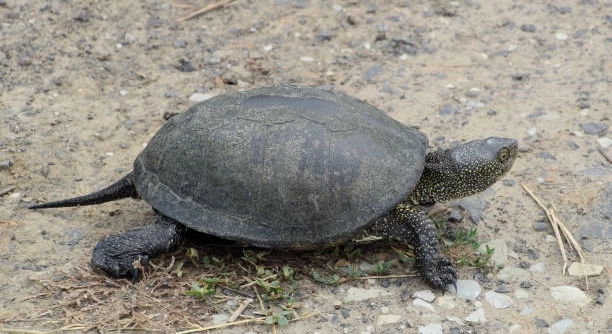
Musk turtles are fascinating pets, but noticing white patches on their skin can be a concerning sight. It’s important to understand what might be causing these changes to ensure your turtle stays healthy and happy.
White patches on a musk turtle’s skin can be caused by various factors, including fungal infections, shell rot, poor water quality, or shedding. These patches may also result from a vitamin deficiency or external injuries, requiring proper care and attention.
By understanding the reasons behind these white patches, you can better address the issue and prevent future problems. Keep reading to find out the possible causes and helpful tips for your turtle’s well-being.
Fungal Infections
Fungal infections are one of the most common causes of white patches on your musk turtle’s skin. These infections can occur when your turtle’s environment is too warm and humid, or if there’s poor water quality. Fungi thrive in damp conditions, and if your turtle’s habitat isn’t properly maintained, this can lead to growths on their skin. These patches can appear as white or grayish spots. If left untreated, fungal infections can spread, causing discomfort or further damage to your turtle’s skin.
To prevent fungal infections, always ensure that the water in your turtle’s tank is clean, and the humidity levels are well-regulated. Regular cleaning of the tank is essential to avoid fungal buildup. If you suspect an infection, a visit to the vet for diagnosis and treatment may be necessary. Antifungal medications can help, but they must be applied correctly and under the guidance of a professional.
Taking proper care of your turtle’s environment will go a long way in preventing these infections and keeping your turtle healthy.
Shell Rot
Shell rot can sometimes cause white patches to appear on your musk turtle’s skin. This condition happens when bacteria or fungi infect the turtle’s shell, resulting in discoloration and damage to the skin. It’s often linked to poor water quality or an injury that exposes the turtle’s shell to harmful bacteria.
To avoid shell rot, ensure that your turtle’s tank is clean, and the water is properly filtered. If your turtle sustains an injury, it’s important to disinfect the wound immediately. Regularly check for any signs of shell damage, as early treatment can prevent severe infections. Keeping the habitat dry and maintaining proper lighting is also key to avoiding conditions that could lead to shell rot.
If you notice white patches or signs of shell rot, consult a vet for an accurate diagnosis and treatment.
Poor Water Quality
Poor water quality can lead to various skin issues in musk turtles, including white patches. When the water is dirty, it can cause bacteria and other harmful organisms to grow, irritating the turtle’s skin. This can result in patches that look like they are infected or peeling.
Make sure the water in your turtle’s tank is filtered regularly, and perform water changes every week to maintain a healthy environment. High ammonia levels, improper pH, or an abundance of algae can make the water unsafe. Check the water’s temperature too, as extreme changes can stress the turtle’s skin and lead to issues like white patches.
Maintaining clean water and ensuring proper filtration reduces the risk of skin problems. It also keeps your turtle’s immune system strong and better able to fight off infections.
Vitamin Deficiency
A vitamin deficiency can sometimes cause white patches on your musk turtle’s skin. Turtles need a balanced diet that includes all the essential vitamins, especially Vitamin A, which is crucial for skin health. If your turtle isn’t getting enough of these nutrients, it may show signs of deficiency through abnormal skin changes, such as white patches.
You can boost your turtle’s diet by offering a variety of foods that are rich in essential vitamins. Leafy greens like kale, dandelion greens, and carrots are a great choice. Additionally, you can supplement their diet with a high-quality turtle pellet that includes the necessary vitamins to prevent deficiency. Make sure your turtle is eating a balanced diet, as malnutrition can lead to various health problems.
If you suspect a vitamin deficiency, it’s best to consult a vet for advice. They may suggest dietary adjustments or vitamin supplements to restore your turtle’s health.
Shedding
Shedding is a normal part of your musk turtle’s growth, but it can sometimes cause white patches on their skin. As turtles shed their outer skin layer, you may notice some flaky or discolored spots. These areas often look like white patches and are temporary.
During the shedding process, it’s important to provide your turtle with a clean and moist environment to help them shed properly. If the shedding isn’t happening smoothly, it can lead to retained skin, which might cause discomfort or infection. Keeping the humidity levels optimal will help.
Shedding usually clears up on its own, but if the patches remain or worsen, it’s worth having your turtle checked by a vet to rule out any underlying issues.
External Injuries
External injuries, like scratches or bites, can also cause white patches to appear on your musk turtle’s skin. If your turtle has been in a scuffle or scratched against something sharp, these injuries may cause irritation and lead to the development of white patches.
Check your turtle carefully for any signs of injury, especially if they seem to be avoiding certain activities or showing signs of pain. If an injury is severe or infected, it’s essential to clean the wound and keep it dry until it heals. Proper care is crucial to prevent the wound from becoming infected.
In some cases, a vet may recommend topical treatments or medication to help heal the injury.
FAQ
What can cause white patches on a musk turtle’s skin?
White patches on a musk turtle’s skin can be caused by several factors, including fungal infections, shell rot, poor water quality, vitamin deficiencies, shedding, external injuries, or even stress. Each cause requires different treatment and care, so it’s important to identify the exact issue to provide the right solution.
How can I prevent fungal infections in my musk turtle?
To prevent fungal infections, maintain proper water quality by using a good filtration system and performing regular water changes. Keep the tank clean and dry, and ensure the temperature and humidity levels are appropriate. If you notice any white patches early, treating them promptly can help avoid an infection from spreading.
Is shell rot responsible for the white patches?
Yes, shell rot can cause white patches, especially if bacteria or fungi infect the shell. This condition often leads to discolored skin around the affected area. To prevent shell rot, maintain a clean tank, disinfect injuries quickly, and avoid prolonged exposure to poor water conditions.
Can poor water quality cause white patches?
Yes, poor water quality can lead to skin irritations, including white patches. Ammonia, high nitrates, and low pH can all contribute to an unhealthy environment. Regular water testing, proper filtration, and frequent cleaning can help avoid water quality issues that can negatively affect your turtle’s skin.
How can I improve my turtle’s diet to prevent vitamin deficiency?
To prevent a vitamin deficiency, offer a balanced diet that includes leafy greens, vegetables, and high-quality turtle pellets. Foods rich in Vitamin A, like carrots, spinach, and dandelion greens, are especially important. You can also supplement their diet with vitamin drops or powders, but be cautious not to over-supplement.
How often should I change my musk turtle’s water?
You should change about 25-50% of your musk turtle’s water every week, depending on the tank size and the number of turtles you have. If the water gets dirty more quickly, you may need to increase the frequency of water changes. Regular changes help prevent the buildup of harmful chemicals.
Should I be concerned if my turtle has white patches during shedding?
White patches during shedding are generally normal, as the outer layer of skin can flake off in patches. However, if the shedding appears incomplete, the patches remain for an extended period, or the skin becomes inflamed, it’s best to consult a vet to rule out other issues.
Can I treat white patches at home?
It depends on the cause of the white patches. For mild cases of shedding or small skin irritations, you can help by maintaining proper water quality, adjusting diet, and ensuring your turtle has a clean environment. However, if you suspect an infection, injury, or severe condition, a vet’s guidance is essential.
What temperature should the water be for my musk turtle?
Musk turtles thrive in water temperatures between 75°F and 80°F (24°C-27°C). If the water is too cold, it can stress the turtle and affect its immune system, making it more susceptible to skin issues. Maintaining proper temperatures also helps with digestion and overall well-being.
How can I tell if my turtle’s skin issue is serious?
If the white patches don’t improve over time, seem to be spreading, or are accompanied by other symptoms such as swelling, bleeding, or lethargy, it may be a sign of a more serious issue. In such cases, it’s best to seek veterinary help to ensure your turtle’s health is not at risk.
Is it normal for my musk turtle to have white spots on its shell?
White spots on the shell can sometimes appear due to fungal infections, shedding, or minor injuries. However, if these spots seem to be spreading or worsening, they could indicate a more serious issue like shell rot or fungal infection, which requires prompt attention and proper treatment.
Should I separate my turtle if it has white patches?
If you suspect an infection or injury, it’s a good idea to separate your turtle from other tank mates to prevent the spread of any potential issues. Keep it in a clean, stress-free environment and provide appropriate treatment. You may also want to isolate your turtle while it’s healing from injuries or shedding problems.
Can stress cause white patches on my turtle’s skin?
Stress can contribute to various health issues in turtles, including skin changes like white patches. Stressors such as overcrowding, improper tank conditions, or sudden temperature changes can weaken your turtle’s immune system, making it more vulnerable to skin infections. Reducing stressors and providing a stable environment is key to maintaining your turtle’s health.
What’s the best way to clean my turtle’s tank?
To clean your turtle’s tank, remove any uneaten food and debris regularly. Change a portion of the water weekly, and clean the substrate, filter, and decorations monthly. Make sure to use non-toxic cleaning products to avoid harming your turtle. Regular maintenance prevents poor water quality that can lead to skin issues.
Can I use over-the-counter treatments for white patches on my turtle?
Over-the-counter treatments may work for mild fungal infections or skin irritations. However, it’s essential to know the underlying cause of the white patches before using any medication. Consult a vet to confirm the diagnosis and get the appropriate treatment to ensure your turtle’s health is properly addressed.
In summary, white patches on your musk turtle’s skin can be caused by a variety of factors, such as fungal infections, shedding, poor water quality, or even vitamin deficiencies. Identifying the root cause of the issue is the first step in addressing it properly. Regular tank maintenance, a balanced diet, and monitoring your turtle’s behavior can all help prevent these problems from occurring. Ensuring your turtle has a clean, stable environment is key to its overall well-being. If you notice any signs of infection or prolonged issues with the skin, it’s always a good idea to consult a vet for expert advice.
While some causes, like shedding, are completely normal and temporary, others, such as fungal infections or shell rot, require more attention. It’s essential to stay vigilant and check your turtle regularly for any signs of discomfort, irritation, or changes in its skin. With proper care, many skin issues can be easily prevented or treated. For instance, keeping the water clean and maintaining the correct temperature helps ensure your turtle’s skin stays healthy. A diet rich in essential vitamins, especially Vitamin A, also supports your turtle’s skin and immune system, making it more resilient to potential problems.
Taking proactive steps to care for your musk turtle not only helps with skin health but also contributes to its overall happiness and longevity. Regularly checking the tank’s water quality, providing the right lighting, and offering a varied diet are simple yet effective ways to keep your turtle thriving. Should you ever encounter a more serious condition, professional help from a vet ensures your turtle gets the proper treatment. By being mindful of your turtle’s needs and acting promptly when needed, you can ensure that your pet stays healthy and enjoys a long, happy life.

Hello,
If you enjoy the content that we create, please consider saying a "Thank You!" by leaving a tip.
Every little bit helps us continue crafting quality advice that supports the health, happiness, and well-being of pets around the world, for pets of all shapes, sizes, and species.
We really appreciate the kindness and support that you show us!