
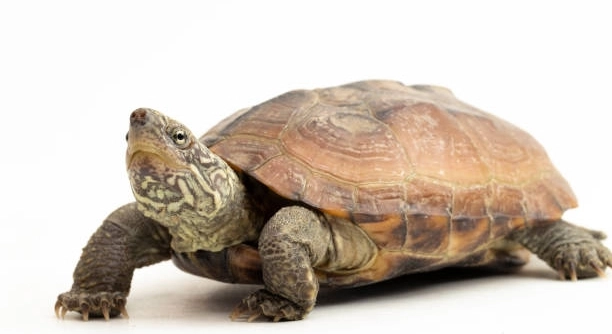
Musk turtles are small but active creatures that need clean water to stay healthy. Proper filtration helps ensure they thrive in their tanks, but store-bought filters can be pricey. DIY options are a great alternative.
Several DIY filter options for Musk turtle tanks provide a cost-effective solution while maintaining a clean and safe environment for your pet. From sponge filters to simple canister setups, these methods allow efficient filtration without spending too much.
By exploring these options, you’ll not only save money but also customize your turtle’s habitat to suit its needs.
Sponge Filter Setup
A sponge filter is one of the most affordable and efficient DIY filtration options for a Musk turtle tank. It’s easy to set up, and the materials are inexpensive. The sponge creates a gentle water flow, perfect for delicate turtles. Additionally, it provides biological filtration, supporting beneficial bacteria growth that helps break down waste in the tank.
To build a sponge filter, you’ll need a sponge, an air pump, and airline tubing. The sponge should be large enough to fit the size of your tank, with the air pump providing the airflow. The air pump pushes water through the sponge, which traps debris and provides oxygen. It’s simple but effective for keeping the water clean.
Sponge filters are a great choice for tanks where turtles aren’t very active, or when you want to minimize the strength of the current. They require minimal maintenance and are reliable for smaller to medium-sized tanks. However, keep in mind that this setup works best in tanks that don’t have a lot of heavy waste production.
DIY Canister Filter
If you’re looking for something a bit more advanced, a DIY canister filter might be the right fit. This type of filter offers mechanical, biological, and chemical filtration, making it an all-in-one solution for larger or more demanding setups. You can create one by using a plastic container, filter media, and a pump.
To make the filter, you need a container with a tight seal. Cut holes in the container for water inlets and outlets, and place filter media like sponges or ceramic rings inside. Attach a pump to circulate the water through the filter. This method is highly customizable to suit your tank’s size and specific filtration needs.
DIY canister filters are ideal for larger turtle tanks or when you need more powerful filtration. They can handle more waste and provide a more thorough cleaning of the water. With proper care, this setup can be very effective at maintaining a healthy environment for your turtles.
Bucket Filter
A bucket filter is a simple and effective DIY option for a turtle tank. It’s made from a plastic bucket, filter media, and a pump. This setup can be easily customized to handle various tank sizes, making it suitable for smaller or medium-sized tanks.
To make a bucket filter, drill a hole near the bottom of the bucket for the water intake. Attach a submersible pump to help water flow through the filter media, which could include sponges, bio balls, or activated carbon. The filtered water is then pumped back into the tank through an outlet. This design works well for efficient filtration and is easy to maintain.
This type of filter offers great flexibility for different tank setups. You can adjust the size of the bucket and the type of filter media to meet your needs. It’s ideal for people who want a cost-effective filter with moderate to high filtration capacity. Regular maintenance, like cleaning the filter media and checking the pump, will ensure it continues to work well.
DIY Undergravel Filter
An undergravel filter is another inexpensive option that uses the tank substrate for filtration. It works by drawing water through the substrate, where waste is filtered out. This setup can be built using PVC pipes, air stones, and a plastic grid.
To make an undergravel filter, place a plastic grid at the bottom of the tank and run air stones or a pump through the substrate. As water flows through the substrate, it picks up waste and debris, which is then filtered by the media. The water is returned to the tank clean. This system works well for low-maintenance tanks and helps to keep the tank water clear.
An undergravel filter is easy to install and maintain, though it might not be the best for heavy waste production. It’s great for tanks where you want to avoid strong currents but still want effective filtration. You’ll need to monitor it regularly to ensure proper water flow and prevent clogging.
Plastic Bottle Filter
A plastic bottle filter is an inexpensive way to create a DIY filtration system. It uses a plastic bottle, filter media, and a pump. The bottle serves as a container for the filtration material while water is drawn through and filtered back into the tank.
To build this filter, you’ll need to cut the bottom off a plastic bottle. Place filter media such as sponges, activated carbon, or foam inside. Attach tubing from an air pump to the bottle, allowing the water to flow through the media. After passing through the filter, the clean water is pumped back into the tank. This setup is simple and works best for small tanks or when you want minimal current.
Plastic bottle filters are great for budget-conscious tank owners who need basic filtration. They are easy to assemble, and you can adjust the filter media to fit your tank’s specific needs. However, this filter may need to be cleaned more frequently to ensure its efficiency.
DIY HOB Filter
A DIY Hang-On-Back (HOB) filter uses materials you likely already have at home. It’s an effective way to filter water without taking up valuable tank space. You can make one from a plastic container, filter media, and a pump.
The setup involves cutting the top of a plastic container to fit it securely on the edge of your tank. Attach tubing for water intake and outflow, then fill the container with filter media such as sponges or bio balls. The pump will draw water into the container, through the filter media, and return it to the tank. This filter provides solid mechanical and biological filtration without creating a current.
This type of filter is a good solution for tanks where space is limited but you need efficient filtration. HOB filters are typically quieter and don’t disturb the turtles too much. With a bit of maintenance, they can be a reliable option for keeping the water clear.
DIY Fluidized Bed Filter
A fluidized bed filter is an advanced but highly effective filtration method. This type of filter helps create a constant flow of water through sand or other fine media, promoting biological filtration. It’s ideal for tanks with high waste production.
To create a fluidized bed filter, you’ll need a tall container, air pump, and fine media like sand or crushed coral. The air pump will push water through the media, causing it to “fluidize,” allowing beneficial bacteria to break down waste. The water is then returned to the tank clean. This setup provides excellent biological filtration and is particularly beneficial for tanks with turtles that produce a lot of waste. Regular maintenance and checking the pump are important to keep the filter functioning properly.
FAQ
How often should I clean my DIY filter?
Cleaning your DIY filter should be done every 2 to 4 weeks, depending on the tank’s size and the turtle’s activity level. If the tank water starts looking murky or the filter flow slows down, it’s time for a cleaning. Always remove and rinse the filter media with tank water to avoid killing beneficial bacteria. Never use tap water, as the chlorine can harm the bacteria. Clean the pump, hoses, and other components thoroughly to prevent clogging or malfunctions.
Can I use a DIY filter for a larger tank?
Yes, you can use a DIY filter for a larger tank, but you will need to scale up the filtration system. For larger tanks, consider using multiple DIY filters, or opt for more powerful designs like a DIY canister or bucket filter. The key to handling larger tanks is ensuring enough water circulation and filtration capacity to keep the water clean. A larger setup means more waste, so stronger filtration is essential. Make sure your filter can handle the size of your tank to keep your turtles healthy.
What’s the best DIY filter for a small tank?
For a small tank, a sponge filter or a plastic bottle filter is typically the best choice. These filters provide gentle water flow, which is ideal for smaller tanks where you want to avoid strong currents that may stress your turtle. Sponge filters are easy to maintain and cost-effective, while plastic bottle filters can be easily customized to suit your needs. Both offer efficient mechanical and biological filtration, which helps keep the water clean and healthy.
Are DIY filters safe for my turtles?
DIY filters are safe for turtles as long as you make sure the design is appropriate for their size and tank. Avoid creating too strong a current that could stress or harm your turtle. Additionally, ensure that any materials used in the filter are non-toxic. Regular maintenance is crucial to avoid clogging and to keep the water clean. If set up and maintained correctly, DIY filters provide a safe and effective way to manage tank water.
How can I prevent my filter from clogging?
To prevent clogging, choose the right filter media and make sure it’s large enough for your tank. Use a variety of media like sponges, bio balls, and activated carbon to capture different types of waste. Regularly clean the filter media and pump to ensure that debris doesn’t build up. You can also add pre-filters like mesh or foam to catch larger pieces of waste before they enter the main filter system.
Do I need to add any chemicals with a DIY filter?
In most cases, you don’t need to add chemicals when using a DIY filter. The goal of a DIY filter is to provide mechanical, biological, and chemical filtration naturally, without the need for added chemicals. Beneficial bacteria in your filter media will break down waste products like ammonia and nitrites, keeping the water safe for your turtle. However, if you notice persistent water quality issues, you can use an aquarium water conditioner to address any imbalances, but this should be a last resort.
How do I know if my filter is working properly?
You’ll know your filter is working properly if the water remains clear and clean. If the water looks cloudy or smells bad, it might be a sign that the filter is clogged or not functioning properly. Also, check the flow rate of the filter. If the water flow seems too weak or if debris is collecting in the tank, the filter may need cleaning or adjustments. Regularly monitor the water quality with a test kit to ensure the filter is maintaining proper levels of ammonia, nitrites, and nitrates.
Can I use a DIY filter with other aquatic pets, not just turtles?
Yes, DIY filters can be used for other aquatic pets like fish, frogs, and invertebrates. The same principles of filtration apply to these tanks, although you may need to adjust the filter strength depending on the species in the tank. For fish tanks, gentle water flow is often preferred, so a sponge filter or plastic bottle filter would work well. Just make sure the filtration system is appropriate for the type of animal you’re keeping and their specific needs.
What’s the best filter media for a DIY filter?
The best filter media depends on the size of your tank and the waste produced by your turtles. Sponges are a good option for mechanical and biological filtration, while bio balls or ceramic rings offer excellent biological filtration by hosting beneficial bacteria. Activated carbon can be used to remove chemicals and odors, though it isn’t always necessary for a turtle tank. For larger tanks, consider using a combination of media types to provide more effective filtration. Be sure to clean and replace the media as needed to maintain the filter’s efficiency.
Can I make a filter without a pump?
Yes, it’s possible to make a filter without a pump, though it requires a different design. A siphon or gravity-fed filter system can be set up to move water through the filter media. For instance, an undergravel filter works by drawing water through the substrate with the help of a siphon. However, without a pump, water flow may be slower, and the filtration may not be as powerful. If you use this type of filter, you’ll need to monitor the tank closely and clean it more often to avoid debris buildup.
Are DIY filters more effective than store-bought ones?
DIY filters can be just as effective as store-bought filters if set up correctly. They offer the advantage of being customizable to your tank’s size and needs, which store-bought filters can’t always match. However, DIY filters may require more maintenance and attention, as they’re often less efficient than commercial models in terms of ease of use and longevity. Store-bought filters tend to have more advanced features like adjustable flow rates and multi-stage filtration. The effectiveness of a DIY filter depends on how well it’s built and maintained.
How can I improve the filtration capacity of my DIY filter?
To improve the filtration capacity of your DIY filter, you can increase the size of the filter media or add more filter materials. Use a combination of mechanical, biological, and chemical filtration media for more thorough cleaning. You can also add more filters if your tank size or waste load increases. Adding a stronger pump or increasing water flow through the filter media can also enhance filtration efficiency. Regular cleaning and maintenance are key to ensuring that your filter remains effective.
How do I adjust the flow rate of my DIY filter?
You can adjust the flow rate of your DIY filter by controlling the pump’s power or modifying the size of the tubing. A stronger pump will create a higher flow rate, while a smaller pump or restricting the tubing can reduce it. For sponge filters or undergravel filters, the flow rate can be controlled by adjusting the air pump. If the current is too strong for your turtles, reduce the flow or move the pump to a less direct position. Keeping the flow rate low can also help avoid disturbing the substrate in the tank.
Final Thoughts
Creating a DIY filter for your Musk turtle tank can be a simple and budget-friendly way to keep the water clean and healthy. While there are many filter options available in pet stores, making your own allows you to customize the setup to fit the size and needs of your tank. From sponge filters to canister filters, there are various designs that can work depending on how much filtration you need. Plus, with DIY options, you can adjust the design over time as your turtle grows or as you change the tank setup.
However, it’s important to remember that DIY filters require regular maintenance to remain effective. While they can do a great job at keeping the water clear, the filter media can get clogged over time, and the pump might need cleaning or replacing. Regular checks are crucial to make sure the water flow is consistent and that the filter is still working as intended. If you notice any signs of poor water quality, such as cloudy water or foul smells, it may be time to clean or adjust the filter. Taking care of your filter ensures that it continues to provide the proper environment for your turtle.
Ultimately, whether you choose to build your own filter or buy a store-bought one depends on your preference, budget, and tank requirements. DIY filters are a great option for those looking to save money and get a little creative. They can be just as effective as commercial filters if designed and maintained properly. By choosing the right filter for your tank and keeping it in good condition, you’ll help your Musk turtle thrive in a clean, healthy environment.

Hello,
If you enjoy the content that we create, please consider saying a "Thank You!" by leaving a tip.
Every little bit helps us continue crafting quality advice that supports the health, happiness, and well-being of pets around the world, for pets of all shapes, sizes, and species.
We really appreciate the kindness and support that you show us!