
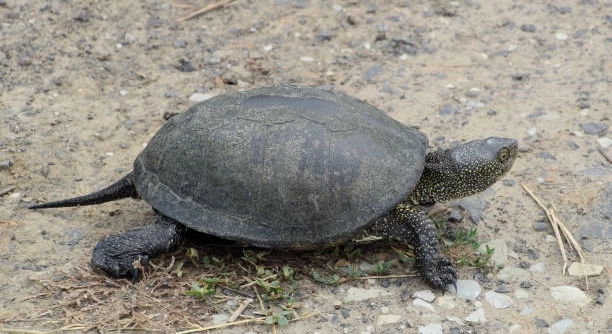
Caring for musk turtles is a rewarding experience, especially when introducing them to your kids. It can be a fun, hands-on way to teach responsibility while learning about these fascinating creatures.
Introducing your kids to musk turtle care involves a few important steps, such as setting up the proper tank environment, teaching safe handling, and providing a balanced diet. Engaging your child in each aspect promotes understanding and ensures the turtle’s well-being.
Knowing the basics of tank maintenance, feeding habits, and overall health is key. Keep reading for a step-by-step guide to help you and your kids provide the best care for your musk turtle.
Setting Up the Perfect Musk Turtle Habitat
Creating a proper habitat is the first step in caring for a musk turtle. A well-maintained tank with the right temperature, water conditions, and hiding spots will help your turtle feel secure. A tank should be at least 20 gallons for one turtle, with a water depth of 6-8 inches. The water temperature should be between 75-85°F, while the basking area should be 90-95°F. A heat lamp and UVB light are essential for your turtle’s health.
Proper filtration is another must-have. The filter should be powerful enough to keep the water clean without disturbing the turtle. Be sure to clean the tank weekly to prevent buildup of waste. To mimic a natural environment, add rocks or logs for climbing and hiding. Make sure the turtle has easy access to both water and the basking area, as they need to dry off and absorb UV light.
The right setup ensures that your turtle can thrive. Providing the correct environment for your kids to interact with their new pet will make the experience more enjoyable for everyone involved. Keep in mind that it’s important to stay consistent with water changes and monitor the temperature regularly to maintain optimal living conditions for your turtle.
Feeding Musk Turtles
Musk turtles have a diverse diet. They will eat a combination of commercial turtle pellets, small fish, insects, and some plants. A varied diet is essential for their health and growth.
Feeding them two to three times a week, depending on their size and age, helps keep them healthy. Be sure to remove any uneaten food from the tank to prevent contamination. Freshwater fish like minnows or guppies can serve as an occasional treat. Along with the right food, they also need calcium supplements to support shell growth.
Your kids can help by learning which foods are safe for the turtles. Watching your musk turtle eat is a great way to teach them about animal care and nutrition. Regularly monitoring their diet ensures that the turtle stays happy and healthy for years.
Handling Your Musk Turtle Safely
Handling your musk turtle properly is important for its well-being. Kids should be taught how to hold the turtle gently, supporting its body to avoid stress.
Turtles can be delicate, so it’s essential to teach your children not to grab or squeeze them. Encourage them to hold the turtle carefully, ensuring its feet and shell are supported. If your turtle is shy, it might prefer staying in the water or hiding under a rock. Always wash hands after touching the turtle to maintain hygiene and avoid transferring harmful substances.
Regular handling can also help your kids become more comfortable with their pet. By practicing safety and gentle touch, they will learn how to care for and respect the turtle while enjoying their time together.
Monitoring Water Quality
Maintaining clean water is a key part of musk turtle care. Regular checks on the water’s temperature and pH levels will keep your turtle healthy.
Use a water testing kit to monitor the pH, ammonia, and nitrate levels in your tank. Keep the water temperature between 75-85°F, and ensure it’s filtered to prevent waste buildup. Regular water changes are necessary to maintain a healthy environment. If the water gets too dirty or the levels are off, it can stress your turtle and lead to health problems.
Teaching kids how to check water conditions is an important responsibility. Help them get into the habit of testing the water at least once a week to ensure everything is in balance. Over time, this routine will become second nature and will keep your turtle in great shape.
Recognizing Common Health Issues
Musk turtles can experience health problems like shell rot, respiratory infections, or parasites. Knowing the signs early can make a big difference in treatment.
If the turtle’s shell appears soft, discolored, or has sores, it could be a sign of shell rot. Respiratory issues, like wheezing or labored breathing, indicate possible infection. Look for changes in behavior, like lack of appetite or lethargy. These are all signs to watch for and address quickly to prevent further issues.
Keeping an eye on your turtle’s health is a daily responsibility. With regular observation, you can ensure it stays healthy and alert.
Temperature and Lighting Needs
Proper lighting and temperature are essential for a musk turtle’s health. A heat lamp and UVB light should be used to mimic natural sunlight.
UVB light helps turtles absorb calcium for strong shells and bones. The basking area should be kept between 90-95°F, while the water should remain between 75-85°F. If these temperatures fluctuate too much, it could harm the turtle’s immune system. Consistent light cycles, 10-12 hours of light followed by darkness, will help regulate your turtle’s internal clock.
Maintaining the right temperature and lighting ensures your turtle stays healthy, active, and comfortable in its environment.
Cleaning the Tank
Cleaning the tank regularly is key to preventing health issues. Dirty water can lead to bacteria and algae buildup.
Use a good filtration system, but still clean the tank every week. Remove uneaten food, waste, and debris to keep the water clean. A deep clean, where you scrub the tank and replace the substrate, should be done every 1-2 months. Keeping everything tidy will help maintain the water quality and make sure your turtle stays in a healthy, safe environment.
FAQ
How often should I feed my musk turtle?
Musk turtles should be fed 2-3 times a week, depending on their age and size. Hatchlings or younger turtles may require more frequent meals, while adult turtles can eat every other day. It’s important to feed them a variety of foods, such as commercial turtle pellets, insects, small fish, and some vegetables. Always remove any uneaten food after a few hours to prevent it from decaying in the tank, which could affect the water quality.
What temperature should the water be for a musk turtle?
The water temperature for a musk turtle should be between 75-85°F. It’s important to maintain a stable temperature to avoid stressing the turtle. You can use a water heater to regulate the temperature. Be sure to check the temperature regularly with a thermometer. If the water gets too cold, it can cause your turtle to become lethargic, and if it’s too warm, it can lead to poor health and digestive issues.
Can musk turtles live with other pets?
Musk turtles can sometimes live with other turtles or aquatic pets, but it’s best to be cautious. Some species of fish or turtles might not get along with musk turtles. Smaller fish could be seen as food, and larger turtles could harm your musk turtle. If you’re keeping multiple pets in the same tank, be sure to monitor them closely at first to ensure they are not aggressive towards one another. It’s always a good idea to separate them if any signs of stress or fighting occur.
Do musk turtles need UVB lighting?
Yes, UVB lighting is essential for musk turtles. UVB light helps them metabolize calcium, which is important for shell and bone health. The basking area should have a UVB light source, and it should be left on for 10-12 hours a day. Be sure to replace the UVB bulb every 6-12 months, as the intensity of the light can weaken over time. Without UVB light, musk turtles can develop soft shells, bone deformities, or other health issues.
How do I clean my musk turtle’s tank?
Regular cleaning is vital to keep your musk turtle healthy. You should change the water at least once a week and perform a deep clean every 1-2 months. For a routine clean, remove any uneaten food, waste, or debris, and use a siphon to vacuum the substrate. For a deep clean, remove the turtle and clean the tank walls, decorations, and filter. Replace the substrate with fresh material, and rinse everything thoroughly with warm water. Avoid using soap or harsh chemicals, as they can be harmful to your turtle.
What do musk turtles eat?
Musk turtles are omnivores, meaning they eat both animal and plant-based foods. They enjoy a diet that includes commercial turtle pellets, small fish, worms, crickets, and insects. They also like leafy greens, aquatic plants, and occasionally fruits like strawberries or melons. Offering a variety of foods helps provide balanced nutrition. Be sure to feed them in moderation and always remove any uneaten food to keep the tank clean.
How big do musk turtles get?
Musk turtles typically grow to about 4-5 inches in length. However, there are some variations, with some subspecies reaching up to 6 inches. Despite their small size, musk turtles are active swimmers and need ample space in their tank. Be sure to provide enough room for them to move around, as a cramped tank can lead to stress and health problems.
Why is my musk turtle not eating?
If your musk turtle is not eating, it could be due to several factors. It might be stressed, ill, or uncomfortable in its environment. Common causes include improper water temperature, water quality issues, or the turtle being disturbed too much. It’s also possible that your turtle is going through a natural period of fasting, which can happen occasionally. If the lack of appetite lasts for more than a few days or if you notice other signs of illness, consult a veterinarian.
How long do musk turtles live?
Musk turtles typically live anywhere from 20 to 30 years with proper care. Some can even live longer, depending on the environment and attention they receive. A well-maintained tank, a balanced diet, and proper lighting and temperature will all help extend the lifespan of your turtle. Regular monitoring of its health is also key to ensuring it lives a long, happy life.
Do musk turtles need a basking area?
Yes, musk turtles need a basking area. They are semi-aquatic creatures, and they need to spend time on land to regulate their body temperature and dry off. A basking area should be elevated, allowing your turtle to climb up and soak up the heat from a heat lamp. The basking temperature should be between 90-95°F. Make sure the basking area is easily accessible, and the turtle has enough space to fully stretch out.
Final Thoughts
Taking care of a musk turtle can be a rewarding experience for both you and your kids. It offers the chance to learn about responsibility, biology, and the needs of a living creature. While setting up the proper environment for your turtle is essential, it’s just as important to maintain it. This includes monitoring water quality, keeping the right temperature, and ensuring they have proper lighting. Consistency is key when it comes to taking care of a musk turtle, and involving your kids in these tasks will not only help them feel more connected to their pet but will also teach them the importance of regular maintenance.
Feeding your musk turtle a balanced diet is crucial for its health. A combination of commercial turtle pellets, fresh vegetables, and occasional live prey will keep your turtle strong and active. It’s important to avoid overfeeding, as excess food can pollute the water. By teaching your kids how to properly feed their turtle, you’re also showing them how to be mindful of the environment around them. This includes making sure the water stays clean and that any leftover food is removed after feeding. As you all learn together, you will also become more familiar with the signs of potential health issues, such as a lack of appetite or changes in behavior.
Musk turtles are relatively low-maintenance pets compared to other reptiles, but they still require careful attention. Setting up a tank with the right temperature, lighting, and space is just the beginning. Regular checks on their health, feeding habits, and overall living conditions will ensure they thrive. Whether it’s your child learning how to handle the turtle gently or becoming familiar with water testing, this pet will provide many lessons in care and responsibility. By following the right steps, you and your kids will enjoy many years of learning and fun with your musk turtle.

Hello,
If you enjoy the content that we create, please consider saying a "Thank You!" by leaving a tip.
Every little bit helps us continue crafting quality advice that supports the health, happiness, and well-being of pets around the world, for pets of all shapes, sizes, and species.
We really appreciate the kindness and support that you show us!