
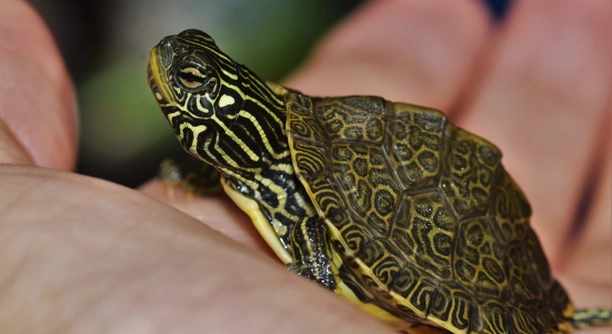
Map turtles are fascinating creatures, but their behavior can sometimes leave you wondering why they react so strongly to their reflections. Understanding the cause of this behavior can help you ensure their well-being.
Map turtles react to their reflections due to territorial instincts. They perceive the reflection as another turtle, triggering a defensive or social response. This behavior is rooted in their natural instincts to protect their space or seek interaction.
Knowing this reaction will help you better understand your turtle’s behavior and how to manage their environment for their comfort and health.
Why Do Map Turtles React to Their Reflection?
Map turtles are naturally territorial animals. When they encounter their reflection, they mistake it for another turtle. This instinctive behavior is primarily about establishing dominance or securing their territory. In the wild, map turtles would compete with others for space, food, and mates. This territorial drive explains why they become so agitated when they see their reflection.
They may swim aggressively, display defensive postures, or even try to interact with the reflection as if it were another turtle. While this can seem odd to us, it’s a normal part of their behavior. Map turtles don’t recognize their own image but perceive it as a rival. This behavior is most often observed in captive turtles, who may not have the space or other turtles to interact with naturally.
Understanding this instinct allows owners to make simple adjustments. By reducing the chance of reflection, such as using opaque tank covers or placing decorations in the tank, owners can minimize the turtle’s stress. This adjustment helps create a more comfortable environment for your turtle.
How Can I Minimize Stress from Reflections?
A few simple changes can go a long way in reducing your turtle’s reaction to its reflection. Limiting the amount of reflective surfaces in their environment is one effective way.
If your turtle is consistently reacting to its reflection, it may be a sign that it’s stressed. Stress can lead to health issues like a weakened immune system or a loss of appetite. In nature, map turtles rarely experience consistent exposure to their reflection, so it’s crucial to replicate a more natural habitat for them. By preventing these reflections, you create a calm environment for your turtle to thrive in.
Adding tank decorations, such as rocks or plants, can also help block reflections. Positioning your turtle’s tank away from windows or mirrors may further minimize the issue. It’s important to keep their environment stable to avoid unnecessary stress. Over time, these changes can improve your turtle’s overall well-being, making it feel secure in its space.
The Importance of Proper Tank Setup
A proper tank setup can make a significant difference in your turtle’s behavior. Ensuring that your turtle’s habitat is comfortable and secure is key. By reducing the chance of reflections, you create an environment that helps them feel at ease. This reduces the stress that might arise from seeing their reflection.
Using opaque tank covers, tank dividers, or background decorations can help. These tools limit visual disturbances and give the turtle a better sense of space. Map turtles are sensitive to their surroundings, and changes to their environment should be gradual. Make sure to check the placement of your turtle’s tank regularly to avoid sudden reflections that could cause anxiety.
While these changes might seem small, they play a large role in ensuring the well-being of your map turtle. Even subtle shifts in its environment can contribute to a more relaxed and healthy pet. When a turtle feels less stressed, it is more likely to eat and engage in natural behaviors.
How Reflections Affect Map Turtle Behavior
Reflections can lead to unnecessary stress in map turtles. When they see their own image, they may react aggressively, thinking it’s another turtle. This can cause your turtle to become more anxious, potentially affecting their eating and overall health.
By removing reflective surfaces, you prevent these stressful situations. This allows your turtle to feel safe and reduces the chance of territorial behaviors. Over time, your turtle will become more relaxed and less likely to display aggression. A calm turtle is more likely to be healthier and thrive in its environment.
Keeping Your Turtle Active
Map turtles need space to roam, and a larger tank will provide that. By adding hiding spots and basking areas, you give your turtle a chance to retreat when needed, reducing the stress caused by reflections or territorial instincts.
Offering variety in your turtle’s environment can encourage exploration. Floating logs, plants, and rocks will help stimulate curiosity, ensuring your turtle remains active. This kind of stimulation is essential for both their physical and mental health. Keeping your turtle engaged through a well-maintained tank can lead to a more balanced and happier life.
FAQ
Why does my map turtle keep swimming aggressively toward its reflection?
This behavior occurs because your turtle perceives its reflection as a rival. Map turtles are territorial by nature, and when they see another turtle, they react defensively. It’s a survival instinct they use in the wild to protect their space. In captivity, where they don’t have other turtles to compete with, they may become fixated on their reflection.
How can I prevent my turtle from reacting to its reflection?
To reduce this behavior, try covering the sides of the tank with opaque materials. You can use paper or plastic backgrounds to block out reflections. Position the tank away from windows, mirrors, or other reflective surfaces. Adding decorations like plants, rocks, or tank dividers also helps create visual barriers.
Is it bad for my turtle to react to its reflection?
Frequent reactions to reflections can lead to stress, which affects your turtle’s health. Chronic stress may impact its eating habits and immune system. Stressful behaviors like constant swimming, aggression, or trying to interact with the reflection can be exhausting for your turtle. Creating a more peaceful environment helps prevent these issues.
Can reflections cause my turtle to stop eating?
Yes, stress caused by reflections can lead to loss of appetite. If your turtle is constantly stressed, it may become too agitated to focus on food. Stress can also weaken its immune system, making it more susceptible to illness. Reducing the chances of reflections will help your turtle feel more comfortable and encourage eating.
Should I remove my turtle from the tank when it’s reacting to its reflection?
It’s usually better to address the environmental factors causing the stress rather than removing your turtle from the tank. Removing the turtle may cause more anxiety. Instead, adjust the tank setup by removing reflective surfaces and adding more hiding places. Your turtle will settle once it feels safe in its environment.
How can I tell if my turtle is stressed due to its reflection?
Signs of stress include excessive swimming, aggressive behaviors, loss of appetite, or a lack of interest in basking. If your turtle is constantly swimming toward its reflection, acting defensively, or even bumping into tank walls, this could be a sign of stress. Over time, you may also notice physical symptoms like weight loss or lethargy if the stress continues.
Will my turtle ever stop reacting to its reflection?
With the right adjustments, such as eliminating reflective surfaces and making the tank feel more secure, your turtle may gradually stop reacting. However, some turtles may continue to display this behavior periodically, especially if they are naturally more territorial. Ongoing environmental changes can help minimize this reaction over time.
Can my turtle get used to its reflection?
It’s possible for your turtle to become less reactive over time, especially if the reflections are minimized and it has a chance to settle into a comfortable space. However, some turtles might never fully ignore their reflections. In these cases, the key is managing the environment to reduce stress.
Do map turtles need to be kept with other turtles?
Map turtles do not require companionship, though they may benefit from the presence of another turtle in certain cases. However, keeping them with other turtles can sometimes cause territorial disputes, especially if space is limited. A solitary turtle can be perfectly content as long as it has enough space and stimulation in its environment.
How can I ensure my turtle’s tank is stress-free?
To create a stress-free environment, keep the tank clean, offer a variety of hiding spots, provide basking areas, and prevent excessive noise or movement around the tank. Make sure the tank is large enough to allow for swimming, and avoid placing it near bright lights or mirrors. Regularly change the water and ensure the temperature is suitable for your turtle.
Is there a specific size tank I should use for my map turtle?
Map turtles require a spacious tank to thrive. A minimum of a 40-gallon tank is recommended for a single adult turtle, but larger is always better. This allows your turtle to have enough space to swim and bask without feeling confined. A larger tank also helps maintain water quality and reduces stress.
How often should I clean my turtle’s tank?
You should clean your turtle’s tank regularly, with partial water changes once a week. Scrub the sides of the tank and clean the filter to ensure water quality. Full cleanings should be done every month to prevent the buildup of waste and bacteria. Maintaining a clean tank reduces stress and helps prevent health problems.
What other signs should I look for to know if my turtle is happy?
A happy turtle is generally active, swims regularly, and eats a balanced diet. It will spend time basking and exhibit natural behaviors like exploring its environment. If your turtle shows interest in the food you offer and engages with its surroundings, it is likely content and healthy.
Can lighting affect my turtle’s reaction to its reflection?
Yes, improper lighting can increase your turtle’s stress. Bright, direct lighting can create glare and reflections in the tank, which may trigger defensive behaviors. Use UVB lights that simulate natural sunlight for basking, but avoid positioning the tank near bright or direct light sources. The lighting should be comfortable and suitable for your turtle’s needs.
Final Thoughts
Managing reflections in your map turtle’s tank is essential for reducing stress and ensuring your turtle remains healthy. Turtles are sensitive creatures, and their environment plays a significant role in their well-being. When they see their own reflection, they may react with aggression or anxiety, believing it to be another turtle. This behavior can affect their eating habits, activity levels, and overall health. By eliminating reflective surfaces and making simple adjustments to the tank setup, you can help your turtle feel more secure and at ease.
It’s important to remember that every turtle is different. Some map turtles may be more sensitive to reflections than others, and it may take some time for them to adjust to a new environment. However, by gradually making changes such as adding hiding spots, tank dividers, or opaque backgrounds, you create a space where your turtle can feel safe. Over time, your turtle may become less reactive to its reflection and more comfortable in its surroundings. Patience and consistency are key when managing turtle behavior.
Lastly, always prioritize your turtle’s health and happiness. Regularly check your turtle’s tank for any signs of stress, such as lack of appetite, excessive swimming, or aggression. Maintaining a stress-free environment with proper tank conditions and reducing exposure to reflections will help your turtle thrive. With the right care and attention, your map turtle can live a long, healthy, and comfortable life in its habitat.

Hello,
If you enjoy the content that we create, please consider saying a "Thank You!" by leaving a tip.
Every little bit helps us continue crafting quality advice that supports the health, happiness, and well-being of pets around the world, for pets of all shapes, sizes, and species.
We really appreciate the kindness and support that you show us!