
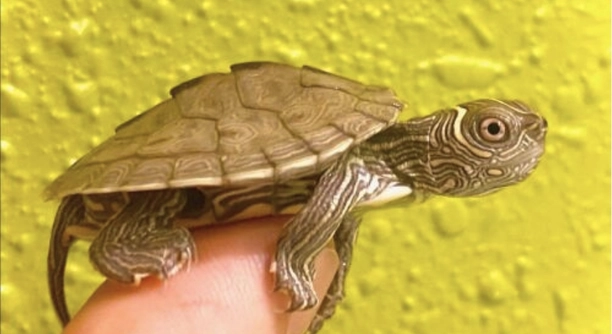
Map turtles are unique pets that require stimulation and attention to stay healthy and happy. Engaging activities can help keep them active and content in their environment. It’s essential to find fun ways to support their well-being.
To keep your map turtle engaged, provide activities like puzzle feeders, swimming challenges, and environmental enrichment. These activities not only stimulate their minds but also support physical health by promoting exercise and natural behaviors, ensuring their overall well-being.
By incorporating simple yet stimulating activities, you can maintain a balanced and enjoyable life for your map turtle. Keep reading for more ideas to help them thrive in their habitat.
Create a Swimming Obstacle Course
Map turtles are naturally curious and love to explore their surroundings, especially when it involves water. One fun and simple way to engage your turtle is by setting up a swimming obstacle course. You can use floating objects like small platforms or rocks to create barriers they must swim around or climb over. This kind of exercise keeps your turtle active and challenges them mentally as they figure out how to navigate the course. Be sure to keep the course varied by changing the layout occasionally to maintain their interest.
Creating a swimming obstacle course encourages physical exercise while also mimicking natural behaviors, which is key to keeping your map turtle mentally and physically fit.
Over time, you can introduce different levels of difficulty by adding more objects or altering their placement. This keeps things interesting and allows your turtle to become more adept at navigating the course. It’s important to monitor their comfort level and adjust accordingly, ensuring they don’t become stressed or frustrated.
Use Puzzle Feeders
Puzzle feeders are another excellent way to engage your map turtle. These feeders challenge your turtle to figure out how to access their food, keeping them entertained and active. By hiding their favorite treats in puzzle feeders, you create a fun activity that also helps with their problem-solving skills.
Map turtles are intelligent and enjoy the mental stimulation provided by these puzzles. The more challenging the puzzle, the more rewarding the experience for them.
Make sure to rotate different types of puzzles to keep your turtle engaged. Whether it’s a simple food-dispensing ball or a more complex contraption, the variety will prevent boredom. Over time, your turtle will learn how to interact with the puzzle feeders, which can become a source of enjoyment. Just ensure that the puzzles are safe and appropriate for their size.
Create a Hiding Spot
Turtles enjoy hiding in small, enclosed spaces, which provides a sense of security. You can create a hiding spot in their enclosure by using natural materials like rocks, plants, or even a small, empty container. This will encourage your map turtle to explore and feel safe, which helps reduce stress.
Ensure that the hiding spot is accessible and that your turtle can easily enter and exit. If the spot is too difficult to reach, they might ignore it. A secure hiding area mimics their natural environment, where they would typically seek shelter when feeling threatened or tired.
Rotating the hiding spots occasionally keeps things fresh and interesting. Adding new hiding areas allows your turtle to explore different places for relaxation. Be mindful that the spot is clean and dry, as a damp hiding place can lead to unwanted bacteria or mold growth.
Provide a Variety of Enrichment Items
Variety is key when it comes to engaging your map turtle. Adding different types of enrichment items like plants, logs, and rocks can provide new surfaces for climbing and exploring. Turtles are often intrigued by changes in their habitat, so keeping things fresh will pique their curiosity and keep them active.
By changing up the environment every so often, you encourage your turtle to engage with different textures and activities. New items can also provide opportunities for social interaction with other turtles, or even just more space for individual exploration.
Make sure any items you add are safe and appropriate for your turtle’s size and abilities. Some plants can be toxic, and certain rocks might be too sharp. It’s important to keep their well-being in mind while offering these new experiences.
Add Floating Platforms
Floating platforms are perfect for giving your map turtle a place to rest above water. They provide a safe, dry space where your turtle can bask and enjoy some peace. This simple addition makes their habitat feel more complete and supports natural behaviors.
The platform should be easy for your turtle to access. Ensure it’s positioned so that they can climb onto it without struggle. It’s important to adjust the height of the platform if needed, as turtles have varying climbing abilities depending on their size.
Offer Live Food
Feeding live food is an excellent way to stimulate your map turtle’s instincts. Live food such as feeder fish, insects, or worms can spark their predatory behavior and make feeding time more engaging. The movement of the food adds excitement and provides mental stimulation.
Introduce live food gradually, so your turtle can adjust to hunting and feeding in a more natural setting. Watching your turtle hunt their prey can also be a satisfying experience, as it taps into their natural hunting instincts. However, ensure the live food is safe and appropriate for their size.
Rotate Tank Decorations
Changing the decorations in your turtle’s tank keeps their environment fresh and exciting. You can rotate plants, rocks, or even add new hiding spots. This variation sparks curiosity and encourages them to explore new areas. When the decorations change, your turtle will experience different sights and smells, providing a more dynamic habitat.
FAQ
How often should I change my map turtle’s water?
It’s important to change your map turtle’s water regularly to keep it clean and healthy. A partial water change every few days is ideal, especially if you have a filtration system in place. A complete water change should be done every 1-2 weeks, depending on the size of the tank and the number of turtles. Be sure to clean the tank walls and decorations during the full water change to remove algae buildup.
Can I keep multiple map turtles in the same tank?
Yes, you can keep multiple map turtles together, but there are some considerations. Map turtles are generally peaceful, but they can become territorial, especially during feeding time. It’s essential to provide enough space and separate basking areas to reduce aggression. Ensure there are hiding spots and plenty of food so that each turtle feels comfortable.
What temperature should the water be for a map turtle?
Map turtles need warm water to thrive. The ideal water temperature is between 75°F and 80°F (24°C and 27°C). You can maintain this temperature using an aquarium heater. It’s also important to monitor the water regularly with a thermometer to ensure it stays within the optimal range. Extreme temperature fluctuations can stress your turtle and affect their health.
Do map turtles need UVB lighting?
Yes, UVB lighting is crucial for map turtles. It helps them produce vitamin D3, which is necessary for calcium absorption and shell health. Place a UVB light over the basking area, ensuring your turtle has access to it for 10-12 hours a day. Without proper UVB exposure, your turtle may develop health issues such as metabolic bone disease.
How big should the tank be for a map turtle?
The size of the tank depends on the number and size of the turtles. As a general rule, provide at least 10 gallons of water per inch of turtle. For one adult map turtle, a 40-gallon tank is a good starting point. Larger tanks are better, as they offer more space for swimming and exploring. If you plan to keep more than one turtle, you will need a larger tank to accommodate them.
What should I feed my map turtle?
Map turtles are omnivores, meaning they eat both plant and animal matter. A well-balanced diet includes pellets specifically designed for aquatic turtles, supplemented with fresh vegetables, leafy greens, and fruits. You can also offer protein-rich foods like feeder fish, worms, and insects. It’s important to vary their diet to ensure they receive all the necessary nutrients for growth and health.
How do I know if my map turtle is sick?
Signs of illness in a map turtle include lethargy, loss of appetite, abnormal swimming behavior, or shell deformities. If you notice any of these symptoms, it’s important to consult a veterinarian who specializes in reptiles. Regular check-ups and proper care can help prevent health issues before they become serious.
Can map turtles live with other species?
Map turtles can live with other species, but it’s important to choose tankmates carefully. Avoid keeping them with aggressive species that might harm them. Good tankmates include other peaceful aquatic turtles or fish that won’t compete for food. Always monitor interactions to ensure all animals are getting along well.
How long do map turtles live?
Map turtles have a relatively long lifespan, living anywhere from 20 to 30 years in captivity with proper care. The life expectancy can vary depending on factors such as diet, tank conditions, and general health. Providing a stable environment and regular veterinary care will help extend their lifespan.
How can I keep my map turtle entertained?
Keeping your map turtle engaged is key to its well-being. Offer a variety of activities like swimming obstacle courses, puzzle feeders, and different enrichment items such as floating platforms and rocks. Changing the decorations in the tank can also provide new areas to explore, keeping things interesting for your turtle.
Do map turtles hibernate?
Map turtles do not hibernate in the traditional sense, but they may enter a period of reduced activity during colder months. If your turtle is housed outdoors, they may slow down in response to lower temperatures. However, in indoor tanks with stable temperatures, they typically remain active year-round.
Final Thoughts
Engaging your map turtle in various activities is essential for their mental and physical well-being. These turtles are naturally curious and active creatures, so providing a stimulating environment can keep them healthy and happy. Simple additions like hiding spots, floating platforms, and different enrichment items can make a big difference in their quality of life. It’s important to change the tank setup from time to time to spark their curiosity and encourage exploration. This not only keeps them physically active but also helps to reduce stress and boredom.
Additionally, maintaining the right habitat conditions is crucial for your turtle’s overall health. This includes proper water temperature, UVB lighting, and a clean, spacious tank. A consistent and well-maintained environment allows your turtle to thrive, promoting better behavior and long-term health. Ensuring they have the proper diet and access to fresh water will also help keep them energized and content. Routine care is vital, as it helps you detect any potential health issues early and take action when necessary.
Incorporating a variety of activities and maintaining the right environment are both key factors to keeping your map turtle engaged. Whether you are providing live food, creating new hiding spots, or simply rotating tank decorations, these small changes can keep your turtle entertained. By staying consistent with your care routine and being mindful of their needs, you can ensure that your map turtle remains healthy and active for years to come. With the right attention and effort, you can provide a fulfilling and enriching life for your turtle.

Hello,
If you enjoy the content that we create, please consider saying a "Thank You!" by leaving a tip.
Every little bit helps us continue crafting quality advice that supports the health, happiness, and well-being of pets around the world, for pets of all shapes, sizes, and species.
We really appreciate the kindness and support that you show us!