
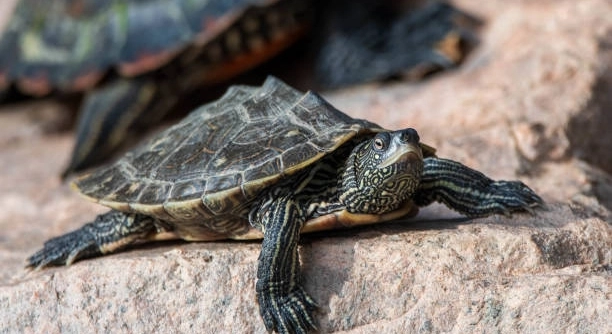
Map turtles are popular pets due to their easy care, but their tank temperature is crucial for their well-being. Maintaining the right heat ensures they stay healthy and active. However, things can go wrong if the tank becomes too warm.
An overheated tank can cause stress, dehydration, and other health issues in your map turtle. Signs like excessive basking or lethargy are often indicators that the water temperature is too high. Monitoring your tank’s heat is essential to avoid these problems.
Being aware of these signs will help you make necessary adjustments. Ensuring your turtle’s tank is at the right temperature promotes a happy and healthy life for your pet. Keep reading for helpful tips.
Excessive Basking Time
If your map turtle is spending far more time basking than usual, it might be a sign that the water is too warm. Turtles need warmth to regulate their body temperature, but they also need to cool off in the water. When the tank becomes overheated, your turtle may attempt to escape the heat by staying out of the water for longer periods. This behavior may also indicate stress or discomfort.
Turtles are naturally drawn to basking spots in their tanks, but they will retreat to the water if it gets too hot. If you notice a shift in basking habits, it’s time to check your tank temperature.
It’s important to remember that an overheated tank can lead to dehydration, making it difficult for your turtle to regulate its body temperature properly. If the basking behavior is extreme, it’s critical to reassess the temperature and make necessary adjustments. A proper basking area should have a temperature gradient, allowing your turtle to choose the ideal spot.
Lethargy or Decreased Activity
When the tank temperature is too high, map turtles may become lethargic. Overheating can lead to a lack of energy, making your turtle more sluggish than usual. This could result in your turtle spending more time sitting at the bottom of the tank or resting on a basking area.
If you notice your turtle behaving differently than usual, such as a lack of interest in swimming or exploring, check the water temperature immediately. Overheating can cause these changes in behavior, signaling your turtle’s need for a cooler environment to feel comfortable again.
Rapid Breathing
If your map turtle is breathing rapidly, it could be a sign that the tank is too hot. Overheating can cause stress and make your turtle breathe more quickly than usual. When their environment is uncomfortable, they try to adjust their behavior to cope.
Rapid breathing is a warning signal that something may be wrong with your turtle’s environment. When temperatures exceed a safe range, your turtle may struggle to take in enough oxygen or manage its body temperature. It’s essential to monitor the temperature and ensure the tank remains in an optimal range.
It’s important to keep track of the water and basking area temperatures regularly. If you notice rapid breathing, take immediate action to adjust the heat and provide your turtle with cooler water. Consistent monitoring will help keep your map turtle comfortable and healthy.
Lack of Appetite
Overheating can cause a decrease in appetite for map turtles. If your turtle isn’t eating as much as usual, the temperature might be too high. Heat stress can make them lose interest in food.
A lack of appetite is often one of the first signs of a problem in a turtle’s environment. When the water is too warm, your turtle’s body may be in distress, affecting its ability to eat properly. If the tank temperature is consistently too high, your turtle may struggle to digest food and maintain a healthy weight.
Proper temperature regulation is key to encouraging normal eating habits. Ensuring that the water stays within a safe range can make a significant difference in your turtle’s overall health and behavior. You’ll likely see your turtle eat more once the environment is stable.
Swollen Eyes
Swollen eyes in your map turtle can indicate an overheated tank. High water temperatures can lead to swelling, discomfort, and sometimes even infection. This may make your turtle look less active or avoid swimming.
Eye swelling can be caused by stress, and an overheated tank can be a major factor. If your turtle’s eyes appear puffy or cloudy, it’s important to lower the water temperature and ensure your turtle feels comfortable again.
Dehydration
An overheated tank can lead to dehydration in your map turtle. When the water temperature is too high, your turtle might become stressed, causing it to drink less and dry out.
Dehydration can be dangerous over time. If your turtle is not properly hydrated, it can affect its skin, digestion, and overall health. You’ll want to make sure the water temperature is adjusted to prevent this from happening.
FAQ
What is the ideal temperature for a map turtle tank?
The ideal water temperature for a map turtle tank is between 75°F and 80°F (24°C to 27°C). The basking area should be slightly warmer, around 85°F to 90°F (29°C to 32°C). Keeping the water within this range ensures your turtle is comfortable and able to properly digest its food. It’s important to use a reliable water heater and thermometer to maintain these temperatures.
How do I monitor the temperature in my turtle’s tank?
You can monitor the temperature in your turtle’s tank using a digital thermometer with a probe for accurate readings. Place one thermometer in the water and one on the basking area to ensure both are within the ideal ranges. It’s a good idea to check the temperature regularly, especially if you notice signs of overheating or discomfort in your turtle.
Can the water temperature fluctuate in my turtle’s tank?
Yes, the water temperature in your turtle’s tank can fluctuate, especially if you’re using an unreliable heater or if the room temperature changes. Fluctuations can stress your turtle, making it harder for them to regulate their body temperature. To prevent this, keep the tank in a stable room temperature and regularly check the heater to make sure it’s working properly.
How can I cool down an overheated tank?
If you notice that the tank is too warm, you can cool it down by turning off the heater, adding cooler water in small increments, or using a fan to circulate the air. Be sure to monitor the temperature closely while making adjustments. Avoid adding too much cold water at once, as this may cause the temperature to drop too quickly and stress your turtle.
What are the signs that my turtle is stressed due to heat?
Heat stress in a map turtle can be indicated by behaviors like excessive basking, lack of appetite, lethargy, rapid breathing, or swollen eyes. These signs suggest that your turtle is uncomfortable in the current temperature and needs the tank adjusted. If you notice any of these symptoms, check the temperature immediately to ensure it is within the ideal range.
Can I use a regular aquarium heater for my map turtle tank?
Yes, you can use a regular aquarium heater, but make sure it’s suitable for the size of your turtle’s tank. Map turtles need a reliable heater to maintain the right water temperature. Some heaters come with adjustable settings, which are ideal for maintaining precise temperatures. Always check the manufacturer’s instructions to ensure the heater is appropriate for your setup.
What can I do if my turtle is not eating due to heat stress?
If your turtle is not eating, first check the water temperature. Overheating can lead to a loss of appetite. Once you’ve adjusted the temperature, try offering food again. If your turtle continues to avoid eating, give it some time to adjust to the cooler environment. If the issue persists, consult a veterinarian to rule out other health concerns.
Is the basking spot important for temperature regulation?
Yes, the basking spot is just as important as the water temperature. Turtles need a place to warm up and regulate their body temperature. The basking area should be warmer than the water, ideally between 85°F to 90°F (29°C to 32°C). If the basking spot is too hot or too cold, it can stress your turtle and prevent it from thermoregulating properly.
How do I prevent overheating in my turtle’s tank?
To prevent overheating, ensure that the tank has a reliable heater with an automatic shut-off feature and always monitor the temperature. Using a thermometer in both the water and basking areas helps you track any temperature changes. If you’re using a heat lamp, ensure it’s positioned properly and not too close to the basking spot, as this can cause the area to become excessively hot.
Can my turtle survive in an environment that’s too hot for a short time?
Short periods of excessive heat may not be immediately fatal, but they can cause significant stress and health issues, such as dehydration, rapid breathing, or lethargy. Even brief exposure to high temperatures can have a long-term effect on your turtle’s well-being. It’s best to maintain a stable temperature within the recommended range to avoid these issues.
Final Thoughts
Maintaining the right temperature for your map turtle is essential for its health and well-being. Overheating can cause a range of issues, from dehydration to stress, and can make your turtle more vulnerable to illness. By ensuring the water stays within the ideal range of 75°F to 80°F (24°C to 27°C), and the basking area is between 85°F and 90°F (29°C to 32°C), you help create a comfortable environment for your turtle to thrive. Regularly monitoring the tank temperature and making adjustments as needed can prevent problems before they become serious.
It’s important to remember that turtles are sensitive to their environment. They rely on both water and air temperature to regulate their body heat, and an imbalance can cause them significant discomfort. If you notice signs of overheating, like excessive basking, lethargy, or rapid breathing, it’s crucial to act quickly. Adjusting the water temperature or using a fan to circulate the air can help cool things down. If you are unsure about the temperature or your turtle’s behavior, it’s always a good idea to consult with a vet to rule out any underlying health issues.
By staying vigilant and monitoring your map turtle’s tank conditions, you’ll help prevent heat-related problems and ensure a long, healthy life for your pet. The key is consistency—regularly check the temperature, make adjustments when necessary, and watch for signs that your turtle is comfortable. A well-maintained tank not only supports your turtle’s health but also makes for a more enjoyable experience for both of you. Taking care of their environment is one of the most important ways to show your map turtle the love and attention it deserves.

Hello,
If you enjoy the content that we create, please consider saying a "Thank You!" by leaving a tip.
Every little bit helps us continue crafting quality advice that supports the health, happiness, and well-being of pets around the world, for pets of all shapes, sizes, and species.
We really appreciate the kindness and support that you show us!