
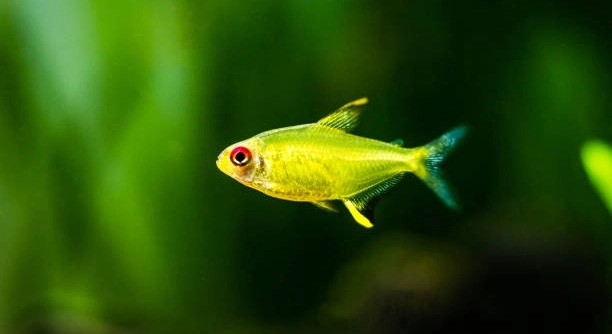
Do your lemon tetra often disappear behind plants or decorations, leaving you unsure of their whereabouts? This behavior can be surprising, especially when your tank is peaceful and well-maintained, yet the fish chooses to remain hidden all day.
Lemon tetras commonly hide due to stress, environmental changes, or health concerns. Factors such as poor water quality, inadequate tank coverage, aggressive tank mates, or sudden alterations in lighting can cause them to seek shelter consistently.
Understanding the reasons behind this behavior can help you create a safer, more comfortable environment for your fish to thrive.
Common Reasons Lemon Tetras Hide
Lemon tetras are sensitive to changes in their environment. Sudden shifts in water temperature, pH levels, or lighting can make them feel unsafe, prompting them to hide. Overcrowding in the tank also stresses them, as they prefer some personal space while swimming. Aggressive tank mates can intensify this behavior, forcing the tetra to seek shelter behind plants or decorations. Even routine maintenance, such as water changes or moving ornaments, can temporarily trigger hiding. It’s not unusual for a lemon tetra to retreat to a corner or dense foliage if they feel threatened or overwhelmed. Providing plenty of hiding spots with plants and caves can help them feel secure. Observing their patterns over time will reveal whether this is a temporary reaction or a persistent issue that requires attention. Maintaining a calm, stable environment is key to encouraging them to swim freely and interact with the tank.
Stress and discomfort are the main reasons for hiding, often linked to water or tank conditions.
Watching your lemon tetra over several days can help identify patterns in their behavior. Changes in activity, appetite, or social interactions may signal stress or illness. Adjusting the tank environment gradually, like softening lighting or spacing out maintenance tasks, can reduce anxiety. Sometimes, adding more plants or a small cave allows the tetra to feel secure without needing to hide constantly. Monitoring water parameters and ensuring compatible tank mates will also promote a more relaxed atmosphere. Over time, these small adjustments often encourage the fish to explore the tank openly and resume normal swimming patterns, helping you maintain a healthy, visually engaging aquarium.
Environmental Adjustments for Comfort
Proper tank setup reduces hiding behavior effectively.
Adjusting water temperature, maintaining consistent pH, and providing adequate plant coverage can make lemon tetras feel secure. Stable lighting and minimizing sudden disturbances also support their comfort.
Adding floating plants or soft background plants creates natural hiding areas that are easy to access. Avoid overcrowding by limiting the number of fish or separating aggressive species. Gradual acclimation after water changes or introducing new tank mates prevents shock. Consistently testing water quality and correcting issues promptly prevents stress-related hiding. Even small changes, like dimming lights slightly during the day, can make a significant difference in their confidence. A calm, structured environment encourages natural swimming patterns, feeding, and social behavior. Observing reactions to these adjustments allows you to fine-tune the tank for optimal well-being. Over time, lemon tetras typically spend more time in the open, swimming comfortably and displaying their bright coloration, showing that environmental stability directly improves their overall happiness and health.
Health Concerns That Cause Hiding
Illness can make lemon tetras retreat and stay hidden. Signs include faded color, clamped fins, or lack of appetite, which often indicate stress or infection. Early detection is important to prevent worsening conditions and ensure the fish recovers quickly.
If a lemon tetra suddenly starts hiding more than usual, it could be due to bacterial or parasitic infections. Waterborne diseases like ich or fin rot are common causes. Poor water quality, including high ammonia or nitrite levels, weakens their immune system, making them more prone to illness. Observing the fish for unusual swimming patterns, lethargy, or visible spots can help identify a problem early. Promptly isolating the affected fish and adjusting water conditions supports recovery.
Nutritional deficiencies may also contribute to hiding. A varied diet including high-quality flakes, frozen foods, and occasional live treats strengthens their health. Ensuring the aquarium environment is clean and stable reduces stress, preventing illness. Consistent observation and proactive care can help maintain their natural behavior and keep them swimming openly rather than hiding.
Social Behavior and Hiding
Lemon tetras often hide due to interactions with other fish. Aggressive or overly dominant tank mates can intimidate them, prompting retreats. Shy fish naturally seek cover to feel secure.
Grouping lemon tetras in small schools can reduce stress, as they find comfort in numbers. Observing tank dynamics helps identify conflicts. Placing plenty of plants, rocks, or ornaments gives each fish a personal space to retreat if needed. Avoiding sudden introductions of new fish prevents intimidation. Ensuring compatible tank mates allows tetras to interact safely and display natural schooling behavior without excessive hiding. Over time, providing social structure and secure areas encourages them to swim more confidently in the open, improving overall tank harmony and well-being.
Tank Setup and Hiding
Insufficient hiding spots can make lemon tetras feel unsafe. Dense plants, driftwood, or small caves provide areas for retreat, reducing stress and encouraging natural behavior.
Overly bright lighting or open spaces without cover can increase hiding. Adjusting light levels and adding decor creates a comfortable environment where tetras can explore without fear.
Water Quality Maintenance
Maintaining clean water is essential for lemon tetras. Regular testing for ammonia, nitrites, nitrates, and pH ensures a stable environment. Sudden fluctuations in water parameters can stress fish, leading to persistent hiding and increased susceptibility to illness.
Feeding Practices
Irregular feeding or poor diet can contribute to hiding. Providing consistent, balanced meals encourages activity and reduces stress, helping tetras feel more secure and engage with their environment.
FAQ
Why does my lemon tetra hide all the time?
Lemon tetras hide mostly because of stress or environmental discomfort. Changes in water temperature, poor water quality, bright lighting, or aggressive tank mates can make them feel unsafe. Providing plants, caves, and gentle lighting helps them feel secure. Observing their daily habits can indicate whether hiding is temporary or a persistent issue.
Is it normal for lemon tetras to hide sometimes?
Yes, occasional hiding is normal. Tetras are small, delicate fish and naturally retreat when they sense potential threats. Short periods of hiding are part of their instinct to feel safe, especially in a new tank or after rearranging decorations.
Can water quality affect hiding behavior?
Absolutely. Poor water conditions, including high ammonia, nitrites, or unstable pH, stress lemon tetras. Stress makes them seek cover more often and can lead to illness. Regular water testing, partial water changes, and careful monitoring reduce stress and encourage normal activity.
Do tank mates influence hiding?
Yes, aggressive or overly active tank mates often intimidate lemon tetras. Placing them with calm, compatible species and providing adequate space allows them to feel safe and reduces constant hiding. Watching interactions carefully helps determine if adjustments are needed.
Could illness make my tetra hide?
Hiding can indicate illness. Symptoms like faded colors, clamped fins, lethargy, or lack of appetite often accompany disease. Early detection, isolation, and treatment improve recovery and prevent spread to other fish. Proper diet and stable water conditions support their immune system.
How can I reduce hiding in lemon tetras?
Increasing plants and hiding spots, maintaining consistent water quality, and avoiding sudden changes help reduce hiding. Gradual acclimation after maintenance or introducing new tank mates also supports confidence, allowing them to swim more freely in the open areas.
Does feeding schedule affect hiding?
Yes, irregular feeding or insufficient diet can stress tetras. Providing consistent meals, including flakes, frozen, and occasional live food, helps maintain energy, encourages activity, and reduces excessive hiding. Observing their feeding behavior can also indicate stress or health issues.
How long does it take for lemon tetras to stop hiding?
It depends on the cause. If hiding is due to stress or environmental changes, they may start exploring within a few days once adjustments are made. Illness or persistent aggression may take longer to resolve, requiring treatment or tank modifications.
Are there specific tank setups that help reduce hiding?
Yes, tanks with dense vegetation, driftwood, and small caves give lemon tetras areas to retreat safely. Moderate lighting, open swimming space, and minimal sudden disturbances promote comfort. A stable environment with compatible tank mates encourages normal schooling behavior and reduces fear-driven hiding.
Can lemon tetras become comfortable over time?
They can. With consistent care, proper tank conditions, and safe hiding spots, lemon tetras gradually gain confidence. They will spend more time swimming openly, feeding actively, and interacting with other fish while still using shelter when needed.
What should I do if hiding continues despite adjustments?
Persistent hiding may indicate stress, illness, or unsuitable tank conditions. Check water quality, observe tank dynamics, evaluate diet, and monitor for signs of disease. Consulting a knowledgeable aquarist or veterinarian can provide guidance on treatment or environmental modifications.
Does lighting intensity matter for hiding behavior?
Yes, bright lighting can make tetras feel exposed and unsafe. Using dimmable lights or adding floating plants creates shaded areas, helping them feel secure. Gradually adjusting light levels allows them to explore without stress.
Do lemon tetras hide more during the day or night?
They tend to hide more during bright daylight or when activity in the tank is high. Providing shaded areas and quiet periods encourages them to swim confidently and reduces prolonged hiding.
Can stress from moving the tank cause hiding?
Yes, moving the tank or rearranging decorations can temporarily stress lemon tetras. They may hide more until they adjust to the new environment. Maintaining familiar elements and introducing changes gradually helps them feel secure.
How can I tell if hiding is serious?
Monitor for additional signs like lack of appetite, faded coloration, clamped fins, or erratic swimming. If these accompany prolonged hiding, it may indicate illness or severe stress that needs prompt attention.
Are there behavioral signs that show tetras are comfortable?
Yes, comfortable tetras swim openly, feed actively, interact with schoolmates, and occasionally use hiding spots without staying hidden for long periods. Observing these behaviors indicates they feel safe and healthy in their environment.
Can breeding behavior cause hiding?
Occasionally, breeding can increase hiding. Lemon tetras may retreat to dense plants or sheltered areas to prepare for spawning or protect eggs. Providing suitable spawning sites supports natural behavior while keeping stress minimal.
Does tank size affect hiding?
Smaller tanks can increase stress and hiding due to limited swimming space and fewer hiding spots. A properly sized tank with adequate plants, decorations, and open swimming areas encourages exploration and reduces fear-driven behavior.
How long should I wait after changes to see improvement?
Typically, a few days to a week is enough to observe changes in behavior after environmental adjustments. Consistent care, stable water conditions, and gradual changes are key to reducing hiding and promoting confidence in lemon tetras.
Is it necessary to isolate a hiding fish?
Isolation is only needed if illness or aggression is involved. Otherwise, creating a secure environment within the main tank is usually sufficient. Isolation can prevent disease spread and allow treatment without causing unnecessary stress to healthy fish.
Lemon tetras are naturally shy fish, and hiding is part of their behavior. It is important to understand that not every instance of hiding signals a serious problem. Often, they retreat to feel safe, especially when they are in a new tank or adjusting to changes in their environment. Providing plenty of plants, decorations, and small shelters allows them to express this natural behavior without constant stress. Over time, as they become familiar with their surroundings, many tetras will spend more time swimming openly, exploring, and interacting with other fish. Observing their daily patterns can help you determine whether hiding is temporary or indicates a deeper issue that needs attention.
Maintaining a stable and clean tank environment is crucial for encouraging confidence in lemon tetras. Water quality, including temperature, pH, and ammonia levels, plays a significant role in their comfort. Regular water testing, partial water changes, and monitoring for sudden fluctuations reduce stress and support their overall health. Tank setup also contributes to their sense of security. Dense plant coverage, driftwood, and shaded areas give them safe spots to retreat when they feel uneasy. Even lighting intensity and the presence of compatible tank mates affect their behavior. Taking these steps ensures that tetras have both the space to hide when necessary and the freedom to swim openly, which is essential for their physical and mental well-being.
Diet and social interaction also influence hiding behavior. Providing a balanced diet of high-quality flakes, frozen foods, and occasional live treats strengthens their immune system and maintains energy levels, encouraging active swimming rather than constant retreat. Social dynamics within the tank matter as well. Lemon tetras feel more secure in small schools, and aggressive or overly dominant fish can increase hiding tendencies. Ensuring compatible tank mates and observing interactions carefully helps maintain harmony and reduces stress. By combining proper nutrition, stable water conditions, suitable tank setup, and thoughtful monitoring of social behavior, you can create an environment where lemon tetras thrive. Over time, they are likely to spend more time in the open, displaying their natural colors and active behavior, while still using shelters as needed, showing that a balanced environment supports both comfort and confidence.

Hello,
If you enjoy the content that we create, please consider saying a "Thank You!" by leaving a tip.
Every little bit helps us continue crafting quality advice that supports the health, happiness, and well-being of pets around the world, for pets of all shapes, sizes, and species.
We really appreciate the kindness and support that you show us!