
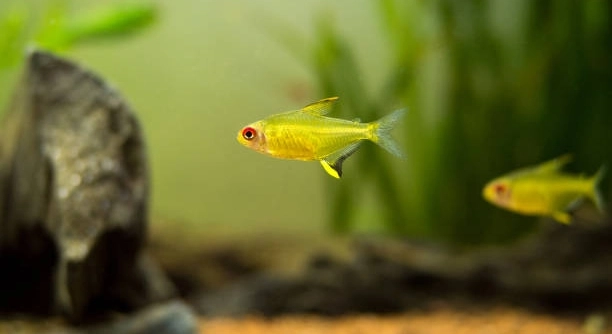
Are you setting up a lemon tetra tank and wondering what substrate will keep your fish happy and healthy? Choosing the right substrate can make a big difference in your tank’s overall environment and appearance.
The best substrates for lemon tetra tanks include fine sand, aquarium gravel, and nutrient-rich soils. These options support plant growth, maintain water quality, and provide a comfortable environment for lemon tetras to swim and explore freely.
Picking the right substrate may seem small, but it can greatly affect the tank’s look and the fish’s wellbeing. Exploring these choices helps you create a balanced and inviting home for your tetras.
Fine Sand
Fine sand is a popular choice for lemon tetra tanks because it creates a soft, natural-looking bottom. It is gentle on the fish, preventing injuries to their delicate fins and bodies. Sand also allows lemon tetras to swim close to the substrate without discomfort. It can be rinsed easily before adding it to the tank to remove dust and debris. Fine sand promotes a natural behavior in tetras, as they can search and sift through it without harm. Plants can still root in sand, though it may require the addition of root tabs or nutrient supplements to support healthy growth. Over time, sand can compact, so occasional gentle stirring helps maintain water flow and prevents anaerobic spots. Using sand can also enhance the visual appeal of your aquarium by reflecting light and providing contrast to colorful plants and fish. Overall, sand is both practical and aesthetically pleasing for small tetra tanks.
Fine sand is soft, safe, and visually appealing, giving lemon tetras a comfortable environment to explore and plants a solid base.
Many hobbyists choose fine sand because it balances safety and aesthetics. It is easy to clean, prevents injury, and helps fish exhibit natural behaviors. Adding root tabs supports plant growth. With proper care, sand remains attractive and functional, offering a long-term solution for small community tanks. Its neutral color complements a wide range of plant and fish setups. Properly rinsed and maintained, fine sand can reduce waste buildup while keeping the water clear. It also encourages the fish to swim actively near the bottom, creating dynamic tank activity. Sand’s compact nature makes it stable but manageable with occasional stirring. The soft texture ensures no harm comes to delicate fins. Visual contrast between fish and substrate enhances tank beauty, making fish colors pop. Overall, fine sand provides a combination of safety, ease, and aesthetics, making it a reliable choice for lemon tetra aquariums of all sizes.
Aquarium Gravel
Aquarium gravel is durable and versatile, offering a simple base for plants and decorations. Its larger particles prevent compaction and allow better water flow. Gravel comes in various colors, making it easy to match your tank’s design.
Gravel supports healthy water circulation while providing a stable foundation for plant roots.
Using aquarium gravel is a practical choice for lemon tetra tanks. It resists compaction and is easy to clean with a siphon. Gravel allows for good water flow around plant roots, preventing anaerobic spots. It can anchor decorations securely and adds texture to the tank floor. The different sizes and colors let you create unique layouts that enhance the fish’s environment. While it may not offer the softness of sand, gravel is gentle enough for small tetras when pieces are smooth and rounded. Nutrient supplements can help plants thrive in gravel since it may not contain enough natural nutrients. Gravel also helps with beneficial bacterial colonization, supporting the tank’s biological filtration. With proper rinsing before use, it remains clean and visually appealing. For those who prefer a structured and colorful substrate, aquarium gravel is both functional and attractive, making it a reliable choice for long-term tank setups.
Nutrient-Rich Soil
Nutrient-rich soil provides essential minerals for aquatic plants, promoting strong root systems and healthy growth. It supports planted tanks well and helps maintain water quality, giving lemon tetras a more natural environment to thrive in.
This type of substrate is ideal for planted aquariums because it encourages plant growth without frequent fertilization. The soil contains nutrients like nitrogen, phosphorus, and potassium, which are slowly released, feeding plants over time. It also helps stabilize pH levels, creating a more balanced habitat for sensitive species like lemon tetras. While it may require a thin layer of sand or gravel on top to prevent clouding, the benefits to plant health and tank aesthetics are significant. Using nutrient-rich soil allows for more complex and visually appealing aquascapes, giving fish places to hide and explore.
Nutrient-rich soil is versatile and long-lasting, making it suitable for aquariums with moderate to heavy planting. It reduces the need for chemical fertilizers and creates an environment closer to natural riverbeds. Covering the soil with sand or fine gravel prevents stirring and maintains water clarity. Plants rooted in soil grow stronger and healthier, providing shelter and stimulating natural behaviors for lemon tetras. This substrate encourages a thriving ecosystem, supporting both plant life and fish wellbeing. Regular maintenance ensures nutrients remain effective, giving a long-term foundation for a balanced, lively aquarium.
Marbles and Small Pebbles
Marbles and small pebbles add decorative appeal while allowing water to circulate freely. They are easy to clean and prevent compaction, keeping the tank floor healthy for fish.
These substrates are ideal for simple setups and low-maintenance tanks. They come in various colors and shapes, letting you create unique designs. Smooth pebbles are safe for lemon tetras, though sharp edges should be avoided.
Using marbles or small pebbles helps maintain cleanliness, as waste particles can settle between gaps and be siphoned out easily. They do not retain nutrients for plants, so they are best for tanks with minimal or artificial vegetation. The gaps between pebbles promote better water circulation, reducing anaerobic zones that could harm fish. They are durable, resistant to compaction, and do not alter water chemistry significantly. While decorative, they also provide a stable base for lightweight ornaments or hiding spots. Careful selection of smooth, appropriately sized pebbles ensures safety and comfort for small tetras. Overall, these substrates combine aesthetics and functionality in simple aquarium setups.
Crushed Coral
Crushed coral is a natural substrate that slowly raises water hardness and stabilizes pH. It is ideal for tanks with slightly alkaline water requirements and adds a unique texture to the aquarium floor.
It also provides a base for beneficial bacteria, supporting biological filtration.
Laterite
Laterite is rich in iron and other minerals, making it perfect for planted tanks. It helps plants develop strong roots and healthy leaves while supporting overall tank chemistry. Using laterite beneath a layer of sand or gravel prevents clouding and maintains water clarity.
Peat
Peat releases tannins that soften water and lower pH naturally. It also gives a subtle brown tint to the water, mimicking the natural habitat of lemon tetras.
FAQ
What substrate is best for a planted lemon tetra tank?
For planted tanks, nutrient-rich soil is the best choice. It provides essential minerals and slowly releases nutrients that help plants grow strong roots. Covering it with a thin layer of sand or fine gravel keeps the water clear while still giving plants access to the nutrients they need.
Can I use sand and gravel together in a lemon tetra tank?
Yes, layering sand over gravel is possible and can combine the benefits of both. Sand provides a soft surface for fish, while gravel supports water circulation and decor stability. This combination also makes cleaning easier and keeps plants anchored.
Is crushed coral safe for lemon tetras?
Crushed coral is safe if used correctly. It raises water hardness and stabilizes pH, which is fine for tetras in slightly alkaline conditions. However, it may not suit tanks where soft, acidic water is preferred, so monitor water parameters carefully.
Do I need to add fertilizers if I use nutrient-rich soil?
Nutrient-rich soil reduces the need for frequent fertilizers. Most plants will thrive without extra nutrients for months. If you notice slow growth, root tabs or liquid fertilizers can supplement without harming the fish.
How often should I clean the substrate?
Regular cleaning prevents debris buildup without disturbing beneficial bacteria. For sand or fine gravel, gentle stirring and vacuuming during water changes work well. Avoid over-cleaning nutrient-rich soil or laterite, as it can release nutrients too quickly and cloud the water.
Are marbles or small pebbles suitable for planted tanks?
Marbles and pebbles are not ideal for planted tanks because they don’t retain nutrients. They work well for simple tanks or setups with artificial plants. Smooth, rounded pebbles are safest for lemon tetras to avoid injury.
Can peat be used in a lemon tetra tank?
Yes, peat can soften water and lower pH naturally, creating a habitat closer to the fish’s natural environment. The tannins may slightly tint the water brown, but this is harmless and can even reduce stress in the fish.
What is the easiest substrate to maintain?
Gravel and small pebbles are the easiest to maintain. They allow good water circulation and make siphoning debris simple. Fine sand is also manageable but may require more careful stirring to prevent compaction. Nutrient-rich soils and laterite need more careful handling to avoid clouding.
Can I mix laterite with other substrates?
Yes, laterite works best under sand or gravel layers. It provides iron and minerals for plants without disturbing the top layer. This helps maintain clear water and ensures plants grow healthy roots while keeping fish safe.
How do I prevent substrate from harming lemon tetras?
Choose soft, rounded substrates like fine sand or smooth gravel to avoid injury. Avoid sharp-edged materials and rinse all substrates thoroughly before adding them to the tank. Layering nutrient-rich soil beneath sand or gravel can protect fish while supporting plants.
Does substrate affect water quality?
Yes, substrates influence pH, hardness, and nutrient levels. Crushed coral raises hardness, peat softens water, and nutrient-rich soil releases minerals. Selecting the right substrate helps create a stable, healthy environment for lemon tetras and plants.
Can I change substrate after setting up my tank?
Changing substrate is possible but requires careful handling. Remove fish temporarily and clean them in tank water. Gradually replace or layer new substrate to minimize stress and maintain water quality. Mixing substrates carefully avoids sudden changes in water chemistry.
Is sand better than gravel for lemon tetras?
Sand is softer and allows tetras to exhibit natural behaviors safely. Gravel is durable and easier to clean. Both are safe if smooth and appropriately sized, so the choice depends on aesthetic preference and tank setup.
How deep should substrate be?
A depth of 2–3 inches is usually enough for plants to root and fish to explore. Nutrient-rich soils may need slightly more to provide minerals, but avoid overly deep layers that trap waste or create anaerobic spots.
Do substrates affect fish coloration?
Yes, lighter substrates can make tetras’ colors appear brighter, while darker substrates provide a natural look and may reduce stress. Choosing a substrate that contrasts with fish enhances visual appeal without harming their health.
Final Thoughts
Choosing the right substrate for a lemon tetra tank is more important than many people realize. Substrate does more than just fill the bottom of the tank. It supports plant growth, helps maintain water quality, and provides a comfortable environment for your fish. Different types of substrates offer different benefits, so understanding what each type does can help you create a healthy and balanced aquarium. Fine sand, gravel, nutrient-rich soil, laterite, marbles, small pebbles, crushed coral, and peat all have unique qualities that make them suitable for different setups. Some are better for planted tanks, while others are ideal for decorative or low-maintenance aquariums. Considering the needs of both your fish and plants is essential to creating a thriving environment. Lemon tetras are small, delicate fish, so a soft substrate that doesn’t harm their fins or bodies is usually preferred. At the same time, plants need access to nutrients, which can be provided by soil or laterite layers. Balancing these factors helps ensure your tank stays healthy over time.
Maintaining the substrate is equally important. Even the best substrate can cause problems if it is not cared for properly. Fine sand and gravel should be gently stirred or vacuumed during water changes to prevent debris from building up and causing unhealthy conditions. Nutrient-rich soils and laterite need careful handling, because disturbing them too much can cloud the water and release too many nutrients at once. Crushed coral and peat naturally affect water chemistry, so monitoring pH and hardness levels regularly is necessary. Marbles and small pebbles are easy to clean, but they don’t provide nutrients for plants, so you may need to supplement with fertilizers if your tank is planted. A consistent maintenance routine helps prevent issues and keeps both fish and plants happy. Taking the time to understand the properties of your chosen substrate and how it interacts with water chemistry will save you from problems in the long run.
Ultimately, choosing a substrate comes down to your tank setup, your plants, and your personal preferences. Some people prefer the natural look of sand, while others like the structured appearance of gravel or the unique textures of pebbles and marbles. For planted tanks, nutrient-rich soil or laterite provides strong support for healthy plant growth. Crushed coral can be useful in tanks that need harder water, and peat can help create soft, slightly acidic conditions that mimic a natural habitat. Paying attention to these details ensures that lemon tetras can swim freely and behave naturally while benefiting from a stable, supportive environment. By selecting the right substrate and maintaining it carefully, you can create an aquarium that looks beautiful and keeps your fish healthy for years. Small choices like substrate type can have a big impact on the overall success of your tank, making it a worthwhile investment of time and effort. A well-planned substrate supports the ecosystem inside the tank, allowing both plants and fish to thrive together in harmony.

Hello,
If you enjoy the content that we create, please consider saying a "Thank You!" by leaving a tip.
Every little bit helps us continue crafting quality advice that supports the health, happiness, and well-being of pets around the world, for pets of all shapes, sizes, and species.
We really appreciate the kindness and support that you show us!