
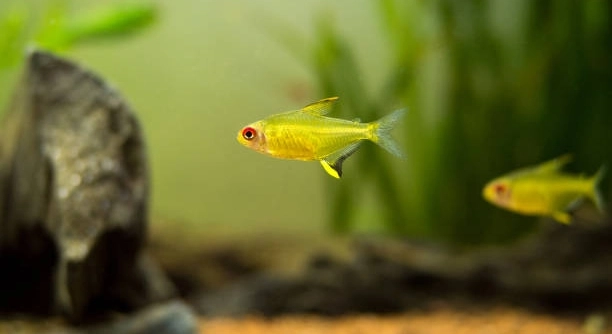
Do you enjoy setting up a lively community tank but wonder how different fish species might get along? Lemon tetras are small, bright, and active fish that often spark interest among aquarium enthusiasts.
Lemon tetras can generally bond with other peaceful species, especially small, non-aggressive fish that share similar water conditions. Their social nature allows them to coexist, but careful monitoring is essential to prevent stress and territorial disputes.
Learning the right companions and tank setup can make a noticeable difference in their behavior and happiness. Proper pairing ensures a calmer, more vibrant aquarium environment for all species involved.
Choosing Tank Mates for Lemon Tetras
Lemon tetras are peaceful and small, so they do best with other gentle fish that won’t compete aggressively for food or territory. Ideal companions include other small tetras, rasboras, guppies, and corydoras catfish. It’s important to avoid larger, aggressive species that may stress or harm them. They thrive in schools of at least six, which helps them feel secure and display natural behaviors. Adding a mix of plants and hiding spots can reduce stress and encourage calm interactions. Observing the fish closely when introducing new tank mates is essential to ensure compatibility. Water conditions such as temperature, pH, and hardness should be consistent across species to prevent health issues. Proper acclimation also helps reduce aggression or shock. By carefully planning tank mates and layout, lemon tetras can show lively behavior and healthy schooling patterns. Over time, compatible species can share a tank without major conflicts or stress signals.
Choosing calm, similarly sized species prevents bullying and keeps your lemon tetras active and healthy.
Lemon tetras display subtle social behaviors when placed with compatible species. They tend to swim together, darting through plants while occasionally interacting with other small fish. These interactions include synchronized movements, gentle nudging, or following each other around the tank. They rarely compete aggressively when food is provided in proper amounts, which helps maintain harmony. A well-planned tank can allow multiple species to coexist peacefully, creating a balanced environment where each fish can thrive. Monitoring behavior is crucial during the first few weeks after introducing new tank mates, as it helps identify any signs of stress, aggression, or illness.
Signs of Bonding and Stress
Calm schooling and shared swimming areas indicate healthy bonding between lemon tetras and other species.
Stress signs include hiding constantly, fin nipping, or erratic swimming. Immediate adjustments to tank conditions or separation may be needed to protect delicate species.
When lemon tetras are well-matched with tank mates, they form loose social structures and maintain consistent patterns throughout the day. Observing their swimming, feeding, and resting behaviors provides clues to their comfort level. Stress can arise from overstocking, incompatible companions, or sudden changes in water parameters. Adding more plants, adjusting lighting, or rearranging decorations can reduce tension. Feeding a balanced diet and maintaining clean water supports overall health. Gradual introductions of new species help tetras adjust without panic. Over time, peaceful cohabitation can create a dynamic and visually appealing tank where lemon tetras and other small fish coexist comfortably. Ensuring compatibility and monitoring behavior fosters long-term success in a multi-species aquarium.
Feeding Lemon Tetras in a Community Tank
Lemon tetras eat small flakes, micro pellets, and frozen or live foods. It’s important to provide a varied diet to meet nutritional needs. Overfeeding can pollute the tank, while underfeeding may cause stress and weaken their immune system.
Feeding lemon tetras in a community tank requires attention to the habits of other fish. They are small and may struggle to compete with faster eaters. Offering food in multiple spots or using floating flakes can help them access meals. Occasional live foods like brine shrimp or daphnia boost their health and encourage natural foraging behaviors. Maintaining a consistent feeding schedule helps reduce stress and keeps the tank stable. Monitoring leftover food prevents water quality issues and supports a healthy environment for all species.
Consistency in diet and feeding routines strengthens their health. It also helps tetras interact naturally with companions, reducing competition and stress. A balanced approach ensures they thrive while living with other fish.
Tank Environment for Multi-Species Cohabitation
A well-planted tank with hiding spaces and open swimming areas helps lemon tetras feel secure with other species. Proper water parameters are essential for harmony.
Water temperature should be stable between 72–78°F, and pH around 6.5–7.5. Soft to moderately hard water suits most peaceful species. Adding plants like Java moss, floating species, and small caves reduces stress and gives shy fish a refuge. Open areas allow schooling species to swim freely without feeling crowded. Lighting should mimic natural conditions to encourage normal activity patterns. Filters must provide gentle water flow while maintaining cleanliness. Regular water changes prevent toxin buildup, keeping all species healthy. Observation of behavior helps identify problems early. Gradual changes to the environment prevent sudden stress that can disrupt bonding.
Maintaining a balanced, structured environment promotes peaceful interactions. It reduces aggression and allows lemon tetras and their tank mates to thrive together naturally, supporting a vibrant and stable aquarium.
Common Companion Fish for Lemon Tetras
Small, peaceful species like neon tetras, harlequin rasboras, and guppies usually get along well with lemon tetras. Corydoras catfish also make excellent bottom-dwelling companions, reducing competition for swimming space.
Avoid aggressive or much larger fish, as they can stress or harm lemon tetras. Maintaining similar water requirements ensures all species remain healthy and active.
Observing Interactions Between Species
Watching how lemon tetras interact with other fish helps gauge compatibility. Signs of comfort include schooling together, swimming calmly, and occasional gentle nudges without chasing or aggression. Maintaining close observation during the first weeks of introduction prevents potential conflicts.
Adjusting Tank Conditions When Needed
Minor adjustments like rearranging plants or adding more hiding spots can reduce tension. Gradual changes in water flow or lighting also help lemon tetras feel secure.
Monitoring Health in a Multi-Species Tank
Regular checks for signs of illness or stress are crucial. Unhealthy fish can disrupt harmony and affect all tank inhabitants.
FAQ
Can lemon tetras live with larger fish?
Lemon tetras are small and peaceful, so larger or aggressive fish can easily stress or injure them. It’s best to stick with other small, calm species that share similar water requirements. Overly active or predatory fish should be avoided to keep a safe tank environment.
How many lemon tetras should be kept together?
A minimum of six lemon tetras is recommended. They are schooling fish, and being in a small group reduces stress, encourages natural behavior, and helps them feel secure. Larger groups are better, as they strengthen social interactions and maintain a more dynamic tank.
What tank size is best for lemon tetras with other species?
A 20-gallon tank or larger is ideal for a small school of lemon tetras with compatible species. Sufficient space allows for swimming, hiding, and feeding without overcrowding. Proper space also helps reduce aggression and stress among different species.
Do lemon tetras eat live food with other fish?
Yes, lemon tetras can eat live or frozen foods like brine shrimp and daphnia alongside other small species. Make sure food is small enough for all fish to access. Feeding in multiple locations prevents competition and ensures every fish gets enough nutrition.
Can lemon tetras tolerate varying water conditions?
They prefer stable conditions with a temperature of 72–78°F, pH 6.5–7.5, and soft to moderately hard water. Sudden changes in water parameters can cause stress or illness. Monitoring water regularly is key for a healthy, multi-species tank.
How can I tell if lemon tetras are stressed?
Signs include hiding constantly, clamped fins, erratic swimming, or loss of appetite. Stress can result from overcrowding, aggressive tank mates, poor water quality, or insufficient hiding spaces. Observing behavior and adjusting tank conditions quickly helps prevent long-term health issues.
What decorations are safe for a community tank with lemon tetras?
Plants, rocks, and driftwood that do not have sharp edges are ideal. Dense plants and floating species provide hiding spots, while open swimming areas support schooling behavior. Decorations should be arranged to reduce territorial disputes and provide multiple safe zones for all species.
Is it necessary to quarantine new fish before adding them to a lemon tetra tank?
Yes, quarantining new fish for at least two weeks helps prevent the spread of disease and ensures compatibility. Observing their behavior and health before introducing them to the main tank reduces stress for lemon tetras and their companions.
How often should I feed lemon tetras in a community tank?
Feeding once or twice daily with small amounts is sufficient. Overfeeding can pollute the tank, while underfeeding may weaken the fish. A varied diet of flakes, micro pellets, and occasional live or frozen food supports their health and natural foraging behavior.
Can lemon tetras breed in a multi-species tank?
They can breed, but eggs and fry are at risk of being eaten by other fish. If breeding is desired, separating a pair or creating a densely planted area can increase survival rates. Otherwise, focus on maintaining a harmonious community environment.
Do lemon tetras interact with other species outside their school?
Yes, they may explore or swim near other peaceful species, but interactions are generally calm. Aggressive or much larger species can disrupt this behavior. Providing plenty of space and hiding areas encourages safe exploration.
How do I maintain harmony between lemon tetras and other tank mates?
Careful selection of peaceful species, stable water conditions, sufficient hiding spots, and consistent feeding routines are key. Observing behavior daily allows early intervention if stress or aggression appears. Gradual introductions of new species reduce tension.
What is the ideal water flow for a mixed tank with lemon tetras?
Gentle to moderate water flow works best. Strong currents can stress lemon tetras and other small species. Using filters that provide adequate filtration without excessive turbulence helps maintain water quality while keeping the fish comfortable.
Can lemon tetras coexist with bottom-dwelling fish?
Yes, bottom dwellers like corydoras catfish are excellent companions. They occupy different tank levels and rarely compete for food, which reduces stress. Ensuring enough substrate and hiding areas helps both types of fish thrive.
How long do lemon tetras live in a community tank?
With proper care, lemon tetras can live 3–5 years. Stable water conditions, compatible tank mates, a varied diet, and a well-planned environment contribute to their longevity and overall health. Regular observation ensures early detection of potential problems.
This FAQ provides practical guidance to maintain a harmonious, healthy environment for lemon tetras and their companions. Consistent care, careful species selection, and attention to behavior create a thriving multi-species tank.
Lemon tetras are small, peaceful fish that can get along well with other species when their needs are met. They thrive in schools of six or more, and their calm nature makes them compatible with many other small, non-aggressive fish. When choosing tank mates, it’s important to focus on species that share similar water parameters, such as temperature, pH, and hardness. Large or aggressive fish should be avoided, as they can stress or harm lemon tetras. Adding plants, hiding spaces, and open swimming areas helps reduce tension between different species and encourages natural behaviors. By providing a stable, comfortable environment, lemon tetras can show their full personality and interact safely with their companions.
Feeding and daily care play a key role in maintaining a peaceful community tank. Lemon tetras eat flakes, micro pellets, and occasional live or frozen foods, which can be shared with other small species. Feeding in multiple spots or spreading food evenly prevents competition and ensures that all fish receive proper nutrition. Overfeeding can lead to water quality problems, while underfeeding may cause stress or weaken the fish. Regular water changes, gentle filtration, and monitoring water parameters keep the tank safe for all inhabitants. Observing behavior, especially when introducing new fish, helps detect signs of stress or aggression early. Making small adjustments, like rearranging decorations or adding plants, can solve conflicts without major disruptions.
Maintaining a harmonious tank requires patience and attention. Lemon tetras show subtle social behaviors and respond well to companions they trust. They can coexist with bottom dwellers, other tetras, rasboras, and guppies, creating a lively, balanced environment. Stress signs such as hiding, clamped fins, or erratic swimming should not be ignored, as they indicate that something needs adjustment. Gradual introductions, consistent feeding schedules, and careful selection of species help reduce tension and support long-term health. With proper care, lemon tetras live comfortably for several years, enriching the tank with their bright color and active schooling patterns. A thoughtful approach to their environment ensures a calm, visually appealing, and thriving community aquarium.

Hello,
If you enjoy the content that we create, please consider saying a "Thank You!" by leaving a tip.
Every little bit helps us continue crafting quality advice that supports the health, happiness, and well-being of pets around the world, for pets of all shapes, sizes, and species.
We really appreciate the kindness and support that you show us!