
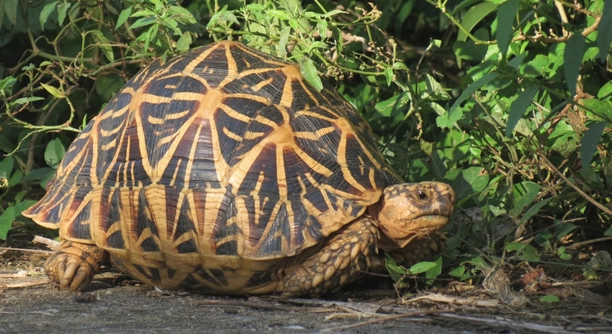
Has your Indian Star Tortoise been tilting its head and you’re wondering why? It’s important to know the causes behind this behavior to ensure your pet’s well-being. There may be various factors at play that could be easily addressed.
Head tilting in tortoises can occur due to several reasons, including health issues like respiratory infections, eye problems, or an imbalance in their diet. In some cases, it may also be due to stress or poor living conditions.
Understanding the causes of head tilting can help you provide better care. Let’s explore the potential reasons behind this behavior and how to address them.
Possible Health Issues Behind the Tilting
When your Indian Star Tortoise tilts its head, health problems might be the cause. One common issue is a respiratory infection. If your tortoise has a cold, it could cause discomfort, leading to head tilting. Signs like a runny nose or difficulty breathing often accompany it. Another health problem that can cause this behavior is an eye infection. Infections can cause vision issues, and the tortoise might tilt its head to adjust its view. Additionally, ear infections are common in reptiles and may lead to head tilting as well.
Eye and respiratory infections can be treated with veterinary care. It’s important to monitor your pet closely for any other signs of illness. With proper treatment, your tortoise’s health can improve, and the head tilting will stop.
For respiratory or eye issues, a vet can help diagnose and treat the condition. This is especially important if you notice your tortoise acting lethargic or not eating. Make sure to keep its habitat clean and at the proper temperature to avoid further complications.
Diet and Nutrition Issues
A poor diet might also be why your tortoise keeps tilting its head. Tortoises need a balanced diet to stay healthy, and if they’re missing important nutrients, it could affect their behavior. A calcium deficiency, for example, can lead to issues with their bones and muscles. Without enough calcium, your tortoise might struggle to hold its head up or could tilt it in unusual ways. It’s essential to offer the right balance of vegetables, fruits, and supplements to ensure your pet gets the nutrients it needs.
If you notice your tortoise tilting its head regularly, check its diet. Consider speaking with a vet or reptile specialist about supplements, especially calcium. Offering a variety of leafy greens like dandelion or collard greens can be a good starting point.
Feeding your tortoise a diet rich in fiber and calcium is essential for its long-term health. Make sure to avoid feeding it too many fruits, as they can cause digestive issues. Also, providing fresh water daily helps with hydration and overall health.
Stress and Environmental Factors
Stress can also cause your tortoise to tilt its head. When they feel threatened or uncomfortable, they may exhibit strange behaviors. Changes in their environment, like new pets or loud noises, can trigger stress. The same goes for improper temperatures or humidity levels in their habitat. A stressed tortoise may tilt its head to feel more secure or to reduce discomfort.
To prevent stress-related head tilting, make sure your tortoise’s enclosure is quiet and safe. Keep the temperature and humidity levels consistent, as tortoises are sensitive to environmental changes. If you’ve recently moved or made changes to their habitat, it’s important to give them time to adjust.
If you think stress is the cause, consider isolating your tortoise from any disturbances for a while. A calm environment with no sudden changes can help it feel more secure. Additionally, a hiding spot or shelter in its enclosure can help provide a sense of safety and reduce anxiety.
Improper Handling
Improper handling is another reason why your tortoise might tilt its head. When lifted or moved in a way that makes it feel unsafe, it may react by tilting its head in discomfort. Being grabbed too quickly or roughly can make a tortoise feel stressed, and it might respond with head tilting. Tortoises are sensitive creatures, and how they are handled can affect their health and behavior.
If your tortoise tilts its head after being handled, review your technique. Always be gentle and allow your tortoise to move at its own pace. Avoid sudden movements and pick your tortoise up slowly, supporting its body properly. Handle your pet as little as possible to reduce stress.
Tortoises may also show head tilting if they are dropped or jarred. Even slight falls can cause neck or spinal issues, leading to abnormal movements. Always ensure your tortoise’s safety and comfort when handling it. If the behavior persists, consider whether there might be underlying issues that need professional attention.
Neck or Spinal Issues
Neck or spinal problems are a common cause of head tilting. These issues can result from injury, improper handling, or even poor nutrition. If a tortoise’s neck or spine is hurt, it may have difficulty controlling its head, leading to a tilted position.
If you suspect neck or spinal problems, it’s important to see a vet as soon as possible. These issues can worsen over time if not treated. A vet will be able to diagnose and recommend the best course of action to help your tortoise recover.
Dehydration
Dehydration can make your tortoise act differently, including tilting its head. When a tortoise doesn’t get enough water, it can cause physical stress and affect its overall health. Dehydration can lead to digestive problems and lethargy, which might contribute to strange behaviors like head tilting.
Ensure your tortoise always has access to fresh, clean water. Dehydration can be prevented with regular water changes and by offering water-rich vegetables like cucumber. Make sure your tortoise’s diet is balanced and that it stays hydrated to avoid unnecessary health issues.
FAQ
What can I do if my Indian Star Tortoise tilts its head due to a respiratory infection?
If your tortoise is showing signs of a respiratory infection, including head tilting, it’s important to act quickly. Respiratory infections in reptiles can be serious and require professional care. Take your tortoise to a vet, preferably one experienced with reptiles, who can prescribe the proper treatment. Your vet may recommend antibiotics or other medications to help clear up the infection. In the meantime, ensure your tortoise’s enclosure is warm and dry, as proper humidity and temperature levels can help with recovery.
How can I tell if my tortoise has a calcium deficiency?
A calcium deficiency in tortoises can lead to weakened bones and muscles, possibly causing head tilting. Signs of a calcium deficiency may include soft or deformed shells, difficulty moving, and changes in behavior like tilting their head or not being able to hold it upright. A well-balanced diet with calcium-rich vegetables, such as collard greens and dandelion leaves, is key to preventing this. Additionally, providing a calcium supplement or dusting the food with calcium powder may be necessary, especially if your tortoise isn’t getting enough calcium through its diet.
Can stress cause my tortoise to tilt its head?
Yes, stress can definitely cause your tortoise to tilt its head. Stress in reptiles can be triggered by various factors such as loud noises, sudden changes in their environment, or being handled too much. If your tortoise feels threatened or anxious, it might exhibit behaviors like head tilting. To reduce stress, try to keep the environment calm and quiet. Ensure the temperature and humidity levels are consistent. Providing a hiding spot where your tortoise can retreat to feel safe can also help reduce stress.
What temperature and humidity should I maintain in my tortoise’s habitat?
Indian Star Tortoises thrive in specific temperature and humidity conditions. The temperature of the enclosure should range from 80-85°F during the day, with a basking area that can reach up to 90°F. At night, the temperature can drop slightly to 70-75°F. As for humidity, aim to keep it between 50-60%. This balance helps maintain their health and supports their immune system. Using a thermometer and hygrometer to monitor these levels regularly will help ensure your tortoise is comfortable and healthy.
What is the best way to handle my tortoise to prevent injury?
Handling your tortoise gently and properly is key to preventing injury. Always support your tortoise’s body, ensuring its weight is evenly distributed. Avoid grabbing its legs or neck, as this can cause strain or discomfort. Hold your tortoise with both hands, one supporting the bottom of its shell and the other around its sides. Never drop your tortoise, as even small falls can cause injury. Limit handling to reduce stress, and let your tortoise move at its own pace.
How can I tell if my tortoise is dehydrated?
Dehydration in tortoises can lead to various health issues, including head tilting. Signs of dehydration include a sunken appearance around the eyes, dry skin, and lethargy. You might also notice your tortoise drinking less water or having trouble passing waste. To prevent dehydration, make sure your tortoise always has access to clean water. Additionally, offer water-rich vegetables like cucumber and provide a shallow water dish for soaking, especially in hotter weather. If dehydration is suspected, a vet may recommend rehydration treatments to restore your tortoise’s health.
Is head tilting always a sign of illness in my tortoise?
Not necessarily. While head tilting can indicate an underlying health issue, it doesn’t always mean your tortoise is sick. In some cases, it could simply be a reaction to environmental factors like stress or discomfort. It’s important to monitor other behaviors as well. If the head tilting persists or is accompanied by other signs of illness (like lack of appetite, lethargy, or abnormal behavior), then it’s time to consult a vet. Keep an eye on your tortoise’s overall health and consider factors like diet, habitat conditions, and handling.
Can poor diet cause my tortoise to tilt its head?
Yes, a poor diet can lead to head tilting in your tortoise. As mentioned earlier, deficiencies in key nutrients, especially calcium, can lead to physical issues, including neck and head problems. Additionally, an improper diet that’s too high in fruits or low in fiber can cause digestive issues, which may also lead to abnormal behaviors like head tilting. Ensure your tortoise gets a well-rounded diet of leafy greens, high-fiber vegetables, and occasional fruits. You can also add calcium and vitamin D3 supplements to support bone health.
How long does it take for a tortoise to recover from a respiratory infection?
Recovery time from a respiratory infection depends on how quickly it’s diagnosed and treated. With the proper medication from a vet, most tortoises start to show improvement within a week or two. However, it’s important to follow the vet’s advice and complete the full course of treatment to avoid a relapse. During recovery, maintaining the right environmental conditions—such as a warm, dry habitat—will help your tortoise recover more quickly. Avoid handling your tortoise too much while it’s ill, as this can increase stress and hinder healing.
Should I be worried if my tortoise is tilting its head frequently?
Frequent head tilting is usually a cause for concern. If your tortoise is tilting its head regularly or seems to be struggling to hold it upright, it could be a sign of health problems like respiratory or eye infections, or even more serious conditions like neck or spinal issues. Regularly monitor your tortoise and look for other symptoms like lethargy, loss of appetite, or labored breathing. If the tilting persists, take your tortoise to a vet for a thorough checkup. Early intervention is key to preventing further complications.
Final Thoughts
Head tilting in Indian Star Tortoises can be caused by several factors, and it’s important to understand the different reasons behind this behavior. While it may not always indicate a serious issue, it’s essential to stay vigilant and look for any other signs that might suggest a health problem. Respiratory infections, calcium deficiencies, stress, and poor diet are some common causes that can lead to head tilting. In some cases, environmental factors, like improper temperature or humidity, could also contribute. Being proactive and observing your tortoise’s behavior closely can help you identify the root cause.
If your tortoise shows persistent head tilting, it’s crucial to take action quickly. A visit to the vet will help rule out serious issues, especially if there are other concerning signs such as lethargy, loss of appetite, or abnormal behavior. Depending on the cause, treatment could range from improving the diet and habitat to addressing specific health concerns like infections or calcium deficiencies. For respiratory infections, a vet will likely recommend antibiotics or other treatments. In the case of diet-related issues, adding calcium supplements and ensuring proper nutrition can make a significant difference.
Lastly, providing the right environment and handling your tortoise with care are essential steps in keeping it healthy. A stable habitat with proper temperature, humidity, and a balanced diet will go a long way in preventing health issues that could lead to behaviors like head tilting. Stress can also play a role, so be mindful of any changes in the environment or how often you handle your tortoise. By maintaining proper care and seeking professional help when needed, your tortoise can live a long and healthy life, free from discomfort caused by head tilting.

Hello,
If you enjoy the content that we create, please consider saying a "Thank You!" by leaving a tip.
Every little bit helps us continue crafting quality advice that supports the health, happiness, and well-being of pets around the world, for pets of all shapes, sizes, and species.
We really appreciate the kindness and support that you show us!