
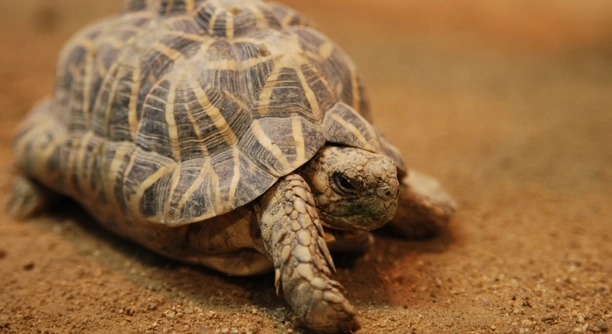
Indian Star Tortoises are beloved pets, but keeping them safe and secure in their enclosures can be a challenge. Their curious nature often leads them to attempt escapes, making it important to create an environment that keeps them safe.
The key to making Indian Star Tortoise enclosures escape-proof lies in using secure barriers, selecting the right materials, and providing a stable environment. Proper fencing, smooth edges, and ensuring the lid or cover fits tightly are essential steps to preventing escape.
By following simple steps and making small adjustments to their space, you can ensure your tortoise remains safe. Protecting your pet doesn’t have to be difficult or expensive.
1. Use Strong Barriers for Security
When setting up an enclosure, one of the most important steps is choosing the right materials for barriers. Indian Star Tortoises can easily climb over or slip through weak fences. A sturdy wall or mesh that is high enough to prevent escape is essential. Enclosures should be at least 18 inches tall, and a higher barrier may be required for particularly determined tortoises.
Mesh fencing is a good option, but ensure the gaps are small enough that the tortoise can’t squeeze through. Alternatively, solid walls made from wood or plastic can offer added security and prevent any climbing attempts.
In addition to height, ensure the material you use is durable and won’t degrade quickly from the weather. A heavy-duty barrier made of metal or a solid plastic sheet works best for outdoor enclosures, while indoor enclosures can be made of wood or glass. The key is to select a material that’s both escape-proof and safe for your tortoise’s health.
2. Keep the Lid Secure
A secure lid is just as important as the walls of the enclosure. If you’re using a top to cover the space, make sure it fits snugly and cannot be easily pushed off.
Many tortoises have surprisingly strong movements, and a loose lid can be easily moved by their legs or neck. To ensure the lid stays on, use clips or locks to secure it. You should also check the lid regularly for any wear or weakness that could lead to a gap forming.
Lids that lift open should be designed with hinges that prevent them from tipping over too easily. A lock or bolt mechanism will add an extra layer of security. While it may seem like an extra effort, keeping the lid secure will prevent any unexpected escapes that can occur when you’re not watching.
3. Avoid Gaps in the Enclosure
Even small gaps can become an escape route for a curious tortoise. Check every corner of the enclosure, including the door and where the walls meet the ground, to ensure there are no openings.
Pay attention to the base of the enclosure, where the walls meet the ground. Sometimes, tortoises try to dig their way out, so ensure the walls extend a few inches underground. This will make it harder for them to burrow out and escape.
For outdoor enclosures, try adding a few stones around the perimeter to weigh down the bottom. This method helps to keep the walls secure and ensures there’s no easy digging space. Tortoises are resourceful and persistent, so a tight seal is necessary.
4. Keep the Environment Calm and Stable
Environmental changes can stress your tortoise and make it more likely to try escaping. Maintaining a stable temperature, humidity, and light setup will not only keep your pet healthy but also reduce stress that could drive them to escape.
Ensure the enclosure stays at a consistent temperature, suitable for the species. Indian Star Tortoises thrive in temperatures between 75-85°F, and fluctuating temperatures could cause them to seek more suitable conditions elsewhere. Adding a heat lamp can help, but make sure it doesn’t create extreme heat spots.
By creating an environment where your tortoise feels comfortable, they are less likely to engage in escape behavior. Secure temperature, humidity, and lighting will keep your tortoise healthy and happy, reducing stress-related issues.
5. Use Smooth, Slippery Surfaces
Tortoises may attempt to climb or push through rough surfaces. Using smooth, slippery materials can discourage them from trying to escape. Consider using acrylic or smooth plastic for the sides of the enclosure.
These materials make it difficult for tortoises to gain traction with their claws, preventing climbing attempts. If you’re using wood, sand it down to create a smooth finish, or apply a coat of non-toxic sealant to reduce friction.
By incorporating these surfaces, you create an environment that’s harder for your tortoise to escape from while maintaining the integrity of the enclosure.
6. Check the Enclosure’s Weight
The weight of the enclosure is crucial in preventing escape. If it’s too light, a tortoise may move parts of the structure, especially in outdoor environments where wind can affect lighter enclosures.
Ensure the structure is heavy enough that it cannot be easily moved or shifted. You can achieve this by adding weight to the bottom, using heavy materials for the base, or securing it to the ground with stakes or bolts. A heavier enclosure will resist any pressure your tortoise might apply.
7. Monitor and Adjust Regularly
Even after setting up the perfect enclosure, it’s important to monitor it regularly. Tortoises can be clever and find new ways to escape, especially as they grow.
Check for any signs of wear, gaps, or areas where your tortoise may have managed to create a weak spot. Regular adjustments to the barrier or lid can ensure the enclosure remains secure over time.
FAQ
How do I know if my enclosure is escape-proof?
You can test the security of your enclosure by observing your tortoise’s behavior. If they show signs of trying to climb the walls, dig under the barrier, or push the lid, it might not be secure enough. Regularly check for small gaps, loose parts, or areas that could become weak over time. Ensure the height, material, and overall design are preventing escape attempts. Keep an eye on the ground and lid, as these are common escape routes.
Can I use any material for the walls of the enclosure?
Not all materials are suitable for a tortoise enclosure. The material needs to be sturdy, non-toxic, and durable. While wood, plastic, and metal can be good choices, avoid any sharp edges or harmful substances. Wood can work, but it should be treated with non-toxic sealants to avoid decay or splinters. For outdoor enclosures, make sure the material is weather-resistant. Metal mesh or solid plastic are often the best choices for preventing escape.
How tall should the walls be for an Indian Star Tortoise enclosure?
The walls of the enclosure should be at least 18 inches tall to prevent most tortoises from climbing out. However, some tortoises are more determined than others and may require a higher barrier, especially as they grow. A good rule of thumb is to aim for 24-30 inches for extra security. If your tortoise is particularly agile, consider adding a barrier on top, or use taller walls to stop them from climbing.
What can I do to stop my tortoise from digging under the enclosure?
Tortoises can be persistent diggers, especially when they try to escape. To prevent digging, ensure the bottom of the enclosure is secure. You can extend the walls a few inches below ground level, or add a layer of rocks or gravel around the perimeter to discourage digging. For outdoor enclosures, burying wire mesh under the soil can further deter digging. Adding heavy objects, like stones or bricks, around the base can also help weigh down the walls.
How often should I check the enclosure for damage?
It’s important to check the enclosure regularly, especially if you’ve made any recent changes or repairs. Once a week is ideal, but you may need to inspect it more often if your tortoise is particularly active. Look for signs of wear, gaps, or spots where the tortoise has attempted to escape. Check the stability of the lid, walls, and base to ensure the structure remains secure.
Is it okay to use a glass tank for my Indian Star Tortoise?
Glass tanks can work for some tortoises, but they’re not always ideal. The main issue with glass tanks is that they don’t provide enough ventilation, which can lead to high humidity levels and an uncomfortable environment. If you use a glass tank, ensure it’s large enough and has proper ventilation. Some tortoises may also feel confined in glass enclosures and be more likely to try escaping. Make sure the lid or top is securely fastened.
Can I use a wooden box for the enclosure?
Wooden boxes can work well as enclosures, but it’s important to make sure the wood is treated with non-toxic sealants to prevent rot. Wooden walls should be smooth to prevent climbing or scratching. Make sure the box has a secure lid and no gaps where the tortoise could escape. If using wood for outdoor enclosures, consider adding a layer of weather-resistant coating to protect the material.
Do I need to worry about the temperature in the enclosure?
Yes, maintaining the right temperature is crucial for your tortoise’s health. Indian Star Tortoises prefer temperatures between 75-85°F. Extreme fluctuations in temperature can cause stress, and a stressed tortoise may try to escape in search of better conditions. Use heat lamps or heating pads to maintain a stable environment. Ensure the tortoise has access to both warm and cooler areas within the enclosure, and check the temperature regularly.
Should I add any decorations to the enclosure?
Decorations can make the enclosure more interesting and comfortable for your tortoise, but they should be chosen carefully. Avoid small objects that your tortoise could ingest or become trapped by. You can add rocks, hideouts, or plants that are safe for tortoises. Just make sure that these items do not create spaces where the tortoise can squeeze through or climb over.
Can I put multiple tortoises in the same enclosure?
It’s possible to house multiple tortoises together, but it depends on the species and their individual personalities. Indian Star Tortoises can sometimes be territorial, and placing two or more in the same enclosure might lead to aggression or stress. Make sure the enclosure is large enough for each tortoise to have its own space. Always monitor interactions to ensure they are not fighting or overly stressed.
How do I clean the enclosure without affecting security?
When cleaning your tortoise’s enclosure, be mindful of its security. Always check for any loosened parts or gaps created during cleaning. Use a non-toxic cleaner or mild soap and water to clean surfaces. Once the cleaning is done, check the entire structure to make sure it is secure before putting your tortoise back. Regular cleaning will help maintain a healthy environment, but always ensure the enclosure’s security remains intact.
Final Thoughts
Creating an escape-proof enclosure for your Indian Star Tortoise is crucial for its safety and well-being. By paying attention to details such as the material of the walls, the height of the enclosure, and securing the lid, you can greatly reduce the chances of your tortoise escaping. It’s important to regularly check the structure to ensure it remains secure and intact. Over time, wear and tear can create small gaps or weak spots, so consistent maintenance is necessary.
The environment you create for your tortoise is just as important as the enclosure itself. A stable temperature, proper humidity, and a secure, comfortable space will keep your tortoise happy and healthy. If the enclosure is too stressful, it may lead to unwanted behaviors, including attempts to escape. Providing the right conditions reduces stress and helps your tortoise feel safe and at ease. Regularly check temperature levels and humidity to maintain an environment that suits their needs.
Overall, creating an escape-proof home for your tortoise is a mix of practical solutions and ongoing care. With the right materials, secure barriers, and regular monitoring, you can provide a safe environment for your tortoise to thrive in. Taking these steps ensures your pet remains safe while also being able to live comfortably in its enclosure. By investing in the security of the enclosure and understanding your tortoise’s needs, you can ensure both its safety and happiness for years to come.

Hello,
If you enjoy the content that we create, please consider saying a "Thank You!" by leaving a tip.
Every little bit helps us continue crafting quality advice that supports the health, happiness, and well-being of pets around the world, for pets of all shapes, sizes, and species.
We really appreciate the kindness and support that you show us!