
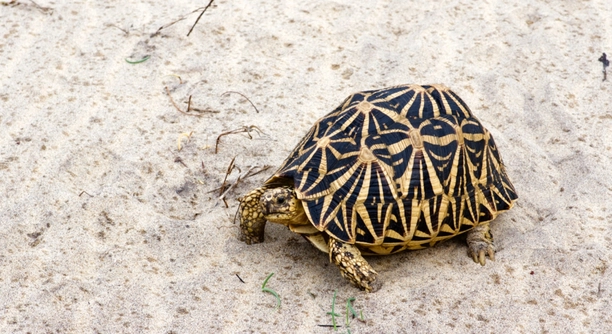
The Indian Star Tortoise is a unique and fascinating creature. Its growth cycle is an important aspect of its life, with distinct milestones that shape its development. Understanding these stages is key to ensuring a healthy life for this species.
The Indian Star Tortoise experiences seven key growth stages, each marked by significant changes in size, behavior, and shell development. These milestones range from hatching to reaching full maturity, with specific changes at each stage requiring different care and attention.
These stages are essential for anyone who owns or cares for an Indian Star Tortoise. Knowing the growth cycle ensures better care and fosters a healthier environment for your pet.
Stage 1: Hatching and Early Life
The first stage in an Indian Star Tortoise’s growth cycle begins right when it hatches. The baby tortoise is small, fragile, and completely dependent on its surroundings for survival. The shell is soft and needs time to harden. In the wild, hatchlings often hide to protect themselves from predators, staying close to their nests. When raised in captivity, it’s crucial to provide them with a safe, warm environment with proper humidity levels. A healthy diet rich in calcium helps support shell development and overall growth during this early phase.
Hatchlings will start exploring their environment once they’ve grown stronger. They are highly active but still fragile, requiring constant monitoring.
At this stage, providing a proper diet is critical for their development. Fresh greens like dandelion leaves, grasses, and flowers are great, along with safe vegetables. A balance of calcium and vitamin D3 will help their bones and shells harden. Special attention to hydration is also important to prevent dehydration. Baby tortoises are more prone to health issues than adults, so offering them a stress-free environment free from sudden temperature or humidity changes is key to proper growth.
Stage 2: Growing Shell and Strength
As the tortoise matures, its shell becomes more defined and hardens. The scutes, or the sections of the shell, grow thicker, and the tortoise begins to look more like an adult. At this stage, the tortoise is still growing but much more stable than in the early days.
By the time the tortoise reaches around 6 to 12 months, the shell growth is more apparent. This is when proper UVB lighting becomes essential for shell and bone health, as it aids calcium absorption.
The growth of the Indian Star Tortoise’s shell is a clear sign of its development. The patterns on the shell begin to stand out, and the tortoise’s physical strength grows. They may become a little more independent, but they still need regular care. A diet rich in fiber and low in protein supports their steady growth. Since their growth is relatively slow, it’s important not to rush the process. At this stage, they should have a secure space to roam freely, as movement helps in shell growth. Keep monitoring their weight and size to ensure they’re progressing well.
Stage 3: Reaching Juvenile Size
At this stage, the tortoise has gained enough size to be more noticeable. The shell is growing steadily, and the tortoise is more active and curious. Juvenile tortoises are better equipped to handle changes in their environment.
As the tortoise reaches juvenile size, its diet becomes increasingly important. Fresh greens like collard greens, kale, and a variety of grasses should be the primary food source. Ensure that calcium levels remain adequate to support the growing shell. The tortoise may be more curious about its surroundings, so providing a larger space to roam and explore is key. However, be cautious about any sudden environmental changes that could cause stress.
The shell continues to harden during this period, and the tortoise starts to show more signs of maturity. Their activity levels increase, and they begin to exhibit more adult-like behaviors, such as digging and exploring their habitat. They are still quite vulnerable to temperature and humidity fluctuations, so keeping their living space stable is important for continued growth and health. Juvenile tortoises will benefit from occasional baths to prevent dehydration. The correct lighting and temperature levels continue to be critical as they mature further.
Stage 4: Sexual Maturity
Sexual maturity in Indian Star Tortoises typically occurs between 5 and 8 years of age, depending on the individual’s environment and diet. During this phase, males begin to show interest in mating behaviors, while females may become noticeably larger.
Once the tortoise reaches sexual maturity, significant physical and behavioral changes take place. Male tortoises, in particular, may display head-bobbing, tail-lifting, or even attempts to mount other tortoises. Females, on the other hand, may grow larger in size and can begin to develop a slightly broader, rounder shell to accommodate egg production. At this stage, it’s important to monitor their behavior, as mating can sometimes be stressful, especially if more than one male is present.
While they are now sexually mature, it doesn’t mean the growth stops. The tortoise’s body will continue to mature, but at a much slower rate compared to earlier stages. If you plan to breed tortoises, make sure the environment is suitable, with enough space, warmth, and humidity for successful egg development. For non-breeding individuals, it’s essential to maintain their healthy diet and care routines to avoid obesity or other health complications.
Stage 5: Full Adult Size
By this stage, the tortoise reaches its full adult size. The shell is fully formed, and the tortoise becomes more settled in its behavior. Growth slows down significantly, but care remains crucial.
Adult Indian Star Tortoises can weigh between 8 to 14 pounds. Their shell patterns become more distinct, and they may become less active compared to their younger years. Regular exposure to sunlight or UVB lighting is still necessary, along with a balanced diet to maintain overall health. While they don’t grow much more in size, their need for space and proper care continues.
Even as adults, Indian Star Tortoises require consistent care. A spacious enclosure, a varied diet, and proper hydration remain essential for long-term health. Shell and bone health can still be influenced by UVB exposure and diet, so maintaining these factors is critical. They may not need as much attention as younger tortoises, but regular check-ups and monitoring of their environment are important. Proper housing that allows for natural behaviors, like digging and basking, is also necessary for their well-being.
Stage 6: Senior Tortoise
As the tortoise enters its senior years, its activity level begins to decrease. They may become less active and spend more time resting. Shell growth essentially stops, and metabolism slows down.
Senior tortoises may show some signs of aging, like slower movements and a preference for quieter spots. While they no longer require as much space for roaming, their diet should still be monitored to prevent obesity or other health problems. Though aging tortoises can still live for many years, it’s important to ensure they’re kept in a comfortable environment with easy access to food and water.
Stage 7: Lifespan and Care
The lifespan of an Indian Star Tortoise can range from 50 to 100 years. Providing care during their senior years is as important as when they were younger. Regular health checks are recommended.
FAQ
How long do Indian Star Tortoises live?
Indian Star Tortoises can live anywhere from 50 to 100 years with proper care. Their lifespan depends on the environment, diet, and overall health. In captivity, where they are protected from predators and environmental stress, they often live longer. It’s essential to provide a stable habitat, a balanced diet, and regular health checks to ensure they live a long, healthy life. While they grow slowly, their long lifespan means they require ongoing care for decades. If you’re considering adopting one, be prepared for a lifelong commitment.
What do Indian Star Tortoises eat?
The Indian Star Tortoise’s diet consists primarily of leafy greens, grasses, and a variety of flowers. Some good food choices include dandelion greens, clover, collard greens, and hibiscus flowers. You should also provide occasional fruits like papaya or melon, but these should be limited due to their high sugar content. The key is to maintain a high-fiber, low-protein diet. Feeding them commercial tortoise pellets is not necessary, but if you choose to, make sure they’re supplemented with fresh, natural foods. Calcium and vitamin D3 are vital for shell development, so ensure their diet supports this.
How often should I feed my Indian Star Tortoise?
You should feed your Indian Star Tortoise every day when they are young. As they grow older, the frequency of feeding can be reduced to every other day. Offering a variety of fresh vegetables and leafy greens will provide a well-rounded diet. Fresh water should be available at all times. When feeding, make sure the portion sizes are appropriate for their size and age. Overfeeding, especially with high-protein foods, can lead to obesity and other health problems, so it’s crucial to maintain balance.
Do Indian Star Tortoises need UVB lighting?
Yes, UVB lighting is crucial for the health of your Indian Star Tortoise. UVB helps them absorb calcium, which is necessary for shell and bone growth. Without adequate UVB exposure, they can develop metabolic bone disease, which affects their strength and mobility. In the wild, tortoises get UVB from the sun, but if you’re keeping one indoors, a UVB bulb is essential. Ensure the light is placed at an appropriate distance, as too much or too little exposure can be harmful. Make sure to change the bulb regularly, as UVB output diminishes over time.
What kind of habitat do Indian Star Tortoises need?
Indian Star Tortoises need a large, well-ventilated enclosure with access to both sunny and shaded areas. The habitat should have a basking area where the tortoise can soak up heat, and a cooler area for them to retreat to when they need to regulate their body temperature. The substrate should be soft and absorbent, like coconut coir or a mixture of sand and soil, which also allows for natural digging behavior. Humidity is also important, so providing a humid hide or misting the enclosure regularly can help maintain proper humidity levels, especially for younger tortoises.
Can Indian Star Tortoises live with other pets?
Indian Star Tortoises can sometimes live with other tortoises, but it’s not always recommended, especially with other species. They can be territorial and may not always get along with each other, leading to stress or injury. When housed with other animals, they should be closely monitored. Smaller pets, like rabbits or guinea pigs, may pose a threat, as they could accidentally harm the tortoise. Always ensure that the other pets in the household do not have access to the tortoise’s living area, and that the tortoise is kept in a safe, quiet space away from stressors.
How do I maintain proper humidity for an Indian Star Tortoise?
Maintaining humidity is essential, particularly for younger Indian Star Tortoises. The ideal humidity level should range from 50% to 70%. You can achieve this by misting the enclosure daily or placing a shallow water dish in the tortoise’s habitat. Be sure that the substrate retains some moisture, but it shouldn’t be soaking wet, as this could lead to mold or other problems. A humid hide, where the tortoise can retreat if needed, also helps maintain consistent humidity levels. Use a hygrometer to monitor humidity and adjust as needed to create a comfortable environment.
Can Indian Star Tortoises swim?
Indian Star Tortoises are not strong swimmers. While they may enjoy soaking in shallow water, they don’t have the capability or the desire to swim like aquatic turtles. In the wild, they are terrestrial animals and spend most of their time on land. However, providing shallow water for soaking is important, as it helps them stay hydrated and encourages proper digestion. Be sure to provide a shallow water dish that the tortoise can easily climb in and out of, ensuring they won’t accidentally drown or become stressed.
Do Indian Star Tortoises need to be bathed?
Yes, Indian Star Tortoises benefit from regular baths, especially when they’re young. Bathing helps prevent dehydration and encourages natural behaviors like drinking and soaking. It’s also a good opportunity to check for any health concerns, like shell rot or skin issues. When bathing your tortoise, make sure the water is lukewarm and shallow, just enough to allow them to soak comfortably. Always supervise the bath and make sure the tortoise can easily exit the water when they’ve had enough.
How do I know if my Indian Star Tortoise is healthy?
A healthy Indian Star Tortoise has clear, bright eyes, a smooth and firm shell, and an active, curious demeanor. They should be eating well and maintaining a steady weight. Shell abnormalities, like soft spots, lesions, or cracks, may indicate underlying health issues, such as poor diet or inadequate lighting. Regular check-ups, especially with a vet who specializes in reptiles, are important to monitor for early signs of illness. Keep an eye on their behavior—if they become lethargic, stop eating, or exhibit other unusual signs, consult a vet promptly.
What should I do if my Indian Star Tortoise is sick?
If your tortoise is showing signs of illness, such as lethargy, loss of appetite, or abnormal shell changes, it’s important to seek veterinary care immediately. A reptile vet will be able to perform a thorough examination and suggest the appropriate treatment. In some cases, poor diet, improper lighting, or temperature can cause health issues. Keeping a detailed record of your tortoise’s behavior, diet, and habitat can help the vet make an accurate diagnosis and recommend the best course of action. Don’t wait too long to address any concerns, as prompt care often leads to better recovery outcomes.
Taking care of an Indian Star Tortoise involves understanding its growth stages and meeting its specific needs throughout its life. From the early days of hatching, when it requires a warm and protected environment, to adulthood, where it reaches its full size and maturity, each stage requires attention and care. Their growth cycle may be slow, but this should not diminish the importance of maintaining proper nutrition, habitat conditions, and health monitoring. Whether you are providing a diet of leafy greens or ensuring they get the right UVB lighting, every step counts in ensuring a happy and healthy tortoise.
Their lifespan, which can extend to 50 years or more, means that owning an Indian Star Tortoise is a long-term commitment. Unlike some pets, they don’t require constant attention, but they do need a stable, suitable living space and regular check-ups to thrive. The right diet, with a good balance of fiber, vitamins, and minerals, ensures that they continue to grow steadily without facing common health issues. Keeping the habitat properly humid and temperature-controlled, especially when they are younger, supports their growth. Even as they age, they need to be monitored to ensure their health doesn’t decline as they become less active.
Understanding their behavior and needs will make caring for an Indian Star Tortoise much easier. The process of watching them grow from a tiny hatchling to a full-grown adult is rewarding, and it requires patience and dedication. The tortoise’s slow pace of life is a reminder that proper care doesn’t always mean constant action; sometimes, it’s about providing the right conditions and allowing them the space and time they need to develop. With the right care, your Indian Star Tortoise can live a long, fulfilling life, enriching your home with its unique presence.

Hello,
If you enjoy the content that we create, please consider saying a "Thank You!" by leaving a tip.
Every little bit helps us continue crafting quality advice that supports the health, happiness, and well-being of pets around the world, for pets of all shapes, sizes, and species.
We really appreciate the kindness and support that you show us!