
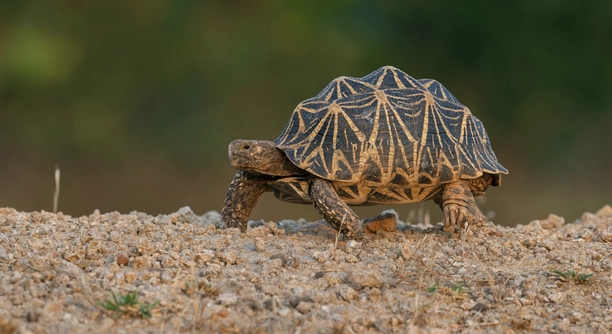
Scratching is a common behavior in Indian Star Tortoises, but if it becomes excessive, it could signal underlying issues. Understanding the reasons for this behavior is essential to maintaining your tortoise’s health and well-being.
The primary cause of face scratching in Indian Star Tortoises is often linked to irritation or discomfort, such as a possible skin infection, dry conditions, or an improper enclosure. It is important to address these factors to prevent further harm.
Addressing the root cause of the scratching can help prevent future issues. Understanding these factors ensures your tortoise remains healthy and comfortable in its environment.
Possible Causes for Scratching in Indian Star Tortoises
Face scratching in Indian Star Tortoises can stem from a variety of sources. Dry skin is one of the most common causes, as it may make the tortoise uncomfortable and lead to excessive scratching. Dry or dusty environments can further aggravate the skin, causing irritation. Another factor could be an improper enclosure that lacks enough space, heat, or humidity, making the tortoise feel stressed. Additionally, infections, both internal and external, might cause the tortoise to scratch excessively. If you notice other symptoms such as swelling, sores, or changes in behavior, it is crucial to investigate further to ensure your tortoise’s health isn’t compromised.
Inadequate humidity or heat can also contribute to the problem.
Proper environmental conditions are vital to the well-being of Indian Star Tortoises. Ensuring your tortoise’s habitat is humid and warm enough for it to feel comfortable will reduce the likelihood of scratching. Additionally, regular maintenance of the enclosure, including cleaning and checking for any mold, can keep your tortoise healthy and free from skin irritations.
Skin Infections and Irritations
Skin infections or irritations may also be behind the face scratching behavior. These infections could be caused by bacterial or fungal growth, which often results from improper care or poor environmental conditions. Wet or dirty bedding can harbor harmful bacteria that irritate the tortoise’s skin. To prevent this, ensure that the bedding is kept dry and changed regularly. Fungal infections are another possibility and can be recognized by the appearance of scaly, flaky skin or lesions. If an infection is suspected, it is essential to consult a veterinarian to get a proper diagnosis and treatment.
Maintaining a clean habitat is essential for avoiding infections.
Taking steps to prevent skin infections is crucial for your tortoise’s health. Use non-toxic bedding materials and avoid over-watering to reduce the risk of fungal growth. Additionally, using appropriate disinfectants when cleaning the enclosure can keep harmful bacteria at bay. Regularly checking for any changes in the tortoise’s skin and behavior can help detect infections early. If an infection persists, a professional treatment plan from a vet may be necessary to resolve the issue and ensure the tortoise’s comfort.
Dry Environment and Skin Health
A dry environment can lead to severe skin dryness, causing your tortoise to scratch its face. Without proper humidity levels, the skin loses moisture, and the tortoise attempts to alleviate the discomfort.
Proper humidity levels are essential for Indian Star Tortoises, especially since they are native to more tropical climates. A humidifier or misting system can help keep the enclosure moist, reducing the chances of skin dryness. In addition to humidity, a temperature gradient within the enclosure helps regulate body heat and further prevents skin from becoming too dry. If the tortoise’s skin looks flaky or cracked, increasing the humidity and monitoring temperature can help.
Stress and Behavior
Stress can also lead to scratching. When a tortoise feels anxious or confined, it may scratch as a way to cope with the discomfort. Environmental factors such as overcrowded enclosures or frequent disturbances contribute to this.
To prevent stress-related scratching, ensure the tortoise has enough space to move around. The enclosure should be large enough to allow for natural movement and exploration. Additionally, minimizing loud noises and other disturbances can help reduce anxiety. Creating a peaceful environment with consistent temperatures and proper lighting is essential for your tortoise’s mental well-being. Regularly checking its behavior for signs of stress can help address these issues early.
Poor Diet and Nutritional Deficiencies
A lack of proper nutrition can lead to skin problems, including excessive scratching. If your tortoise isn’t receiving the right vitamins and minerals, its skin may become weak and dry, prompting the scratching behavior.
A well-balanced diet with adequate calcium and vitamin A is essential for your tortoise’s skin health. Offering a variety of leafy greens, fruits, and occasional protein ensures they get the nutrients they need. Additionally, providing a proper calcium supplement is crucial for shell and skin health. Ensure the diet is rich in fiber, which supports overall digestion and health.
Impact of Improper Lighting
Improper lighting, specifically inadequate UVB exposure, can affect a tortoise’s skin and overall health. UVB light is crucial for the tortoise to metabolize calcium and maintain healthy skin.
Lack of proper UVB lighting can cause calcium deficiency, leading to weakened bones and poor skin quality. Setting up a proper lighting system with both UVA and UVB bulbs is vital to maintain your tortoise’s health. These bulbs should be replaced regularly to ensure they emit the right wavelength of light. Without proper UVB exposure, your tortoise may face long-term health issues that could lead to increased scratching and discomfort.
FAQ
Why does my tortoise scratch its face?
Scratching can be a sign of discomfort, such as dry skin, stress, or even an infection. If your tortoise is scratching its face more frequently, it could be trying to relieve irritation caused by these issues. Dry environments, incorrect humidity levels, and poor diet often contribute to this behavior. Stress from an overcrowded or loud environment can also cause your tortoise to scratch. Keep an eye out for other symptoms like swelling, discharge, or behavior changes, as they might indicate an underlying health issue.
How can I improve my tortoise’s environment to prevent scratching?
To improve your tortoise’s environment, ensure that the humidity and temperature are within the appropriate range. Use a humidifier or mist the enclosure regularly to keep the air moist. Providing a temperature gradient within the enclosure helps your tortoise regulate its body heat. Make sure there’s enough space for your tortoise to move freely, as cramped spaces can lead to stress. Lastly, keep the enclosure clean, and avoid using bedding that could irritate the skin.
What are the signs of a skin infection in tortoises?
Signs of a skin infection in tortoises include redness, swelling, sores, or a scaly appearance on the skin. The tortoise may also scratch more than usual, indicating irritation. If an infection is suspected, it’s important to consult a vet who can properly diagnose and treat the issue. Infections can worsen if left untreated, leading to more serious health concerns.
Can poor diet cause scratching in tortoises?
Yes, a poor diet can lead to skin problems, including scratching. A lack of essential nutrients like calcium and vitamin A can result in dry, flaky skin that prompts scratching. Ensuring your tortoise has a balanced diet rich in leafy greens, fruits, and occasional protein can help keep the skin healthy. Adding calcium supplements is also important for maintaining strong bones and skin.
How do I provide the right lighting for my tortoise?
Proper lighting is crucial for the health of your tortoise. Ensure the enclosure is equipped with both UVA and UVB lighting. UVA light helps with the tortoise’s overall well-being, while UVB light is necessary for metabolizing calcium. The light should be placed at the right distance from the tortoise, and the bulbs should be replaced regularly to ensure they emit the correct spectrum of light.
How do I treat my tortoise’s dry skin?
Dry skin in tortoises can be treated by increasing the humidity in the enclosure. You can use a humidifier or mist the area regularly to keep the air moist. Additionally, providing a proper diet with sufficient calcium and vitamin A can help improve the skin’s condition. If dry skin persists, a visit to the vet may be necessary to rule out any underlying health issues.
What can I do if my tortoise is scratching due to stress?
To reduce stress-related scratching, make sure your tortoise’s environment is calm and spacious. Avoid placing the enclosure in noisy or high-traffic areas. Ensure that your tortoise has enough room to move around comfortably and hide if it feels threatened. Keeping the habitat clean and providing a consistent temperature and lighting schedule can also reduce stress. If stress continues, try adding natural elements like rocks or logs to provide a more natural and enriching environment.
How often should I check my tortoise for skin issues?
Regular checks are essential for detecting skin issues early. At least once a week, inspect your tortoise’s skin for any signs of irritation, dryness, or sores. Pay attention to its behavior as well; if it’s scratching more than usual or showing other unusual signs, it’s time to investigate further. Regular checks will help prevent minor issues from turning into more significant problems. If you notice any concerning symptoms, it’s best to consult a veterinarian.
Can I use a topical cream to treat my tortoise’s skin irritation?
Topical creams should only be used if recommended by a veterinarian. Some creams can be harmful to tortoises, especially if they contain chemicals that may be absorbed through their skin. It’s always best to get a professional opinion before using any product. If your tortoise has skin irritation, a vet will provide the proper treatment plan, which may include antibiotics, antifungals, or other topical treatments designed specifically for reptiles.
How do I prevent my tortoise from scratching its face in the future?
Preventing future scratching involves maintaining proper habitat conditions, including humidity, temperature, and lighting. Regularly cleaning the enclosure and using suitable bedding materials will help avoid skin irritations. A balanced diet with sufficient vitamins and minerals is essential for healthy skin. If scratching continues, consult a vet to rule out infections or other health problems. Creating a calm and stress-free environment is also crucial for preventing scratching behaviors.
Final Thoughts
In conclusion, scratching in Indian Star Tortoises can be caused by several factors, ranging from environmental issues like humidity to stress or nutritional deficiencies. It’s important to maintain a proper environment that includes the right temperature, humidity, and space for your tortoise. This ensures that they remain comfortable and healthy. Keeping the enclosure clean and monitoring for any changes in behavior can help detect problems early, before they become more serious.
Additionally, a well-balanced diet is essential for your tortoise’s overall health. Providing a variety of leafy greens, fruits, and calcium supplements will support proper skin health and prevent deficiencies. If your tortoise is showing signs of scratching, it’s important to review its diet to ensure it is receiving the necessary nutrients. In some cases, adjusting the diet may resolve the issue. If the problem persists, a visit to the vet can help identify whether there is an underlying health concern that requires medical attention.
Finally, creating a stress-free environment for your tortoise is key to reducing any behavioral issues, including excessive scratching. Avoid overcrowding the enclosure and minimize loud noises or disturbances. Ensuring that your tortoise has enough space to move freely and hide if necessary will help keep it calm. Regular checks for skin conditions, along with providing proper lighting and humidity, will contribute to your tortoise’s long-term well-being. If scratching continues despite your efforts, seeking professional advice is always a good option.

Hello,
If you enjoy the content that we create, please consider saying a "Thank You!" by leaving a tip.
Every little bit helps us continue crafting quality advice that supports the health, happiness, and well-being of pets around the world, for pets of all shapes, sizes, and species.
We really appreciate the kindness and support that you show us!