
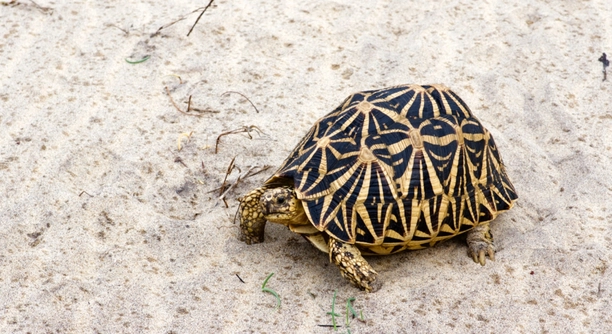
Indian Star Tortoises are known for their slow and steady nature, making them wonderful companions. Their diet plays a crucial role in keeping them healthy and happy. Offering safe and nutritious treats can help enhance their well-being.
There are several safe treats for Indian Star Tortoises that support their health and provide variety in their diet. Leafy greens, vegetables, and certain fruits are all excellent options, but it is essential to avoid harmful or toxic foods.
Understanding which treats are safe ensures your tortoise enjoys a balanced diet, contributing to its overall health and longevity.
Leafy Greens: A Safe and Nutritious Treat
Leafy greens are some of the best treats you can offer an Indian Star Tortoise. They are high in fiber, low in fat, and rich in essential vitamins and minerals. Common options include dandelion greens, collard greens, mustard greens, and kale. These greens are a natural part of their diet in the wild, so they are easy to digest and beneficial for their overall health.
Providing these greens regularly will ensure your tortoise gets enough nutrients. However, avoid offering too many high-oxalate greens, such as spinach, as they can interfere with calcium absorption. Always wash the greens thoroughly before feeding them to your tortoise to remove pesticides or other chemicals.
It’s also important to rotate the greens you offer to keep your tortoise from becoming bored with the same food. Offering a variety of safe leafy greens helps prevent nutrient imbalances and keeps your tortoise engaged at mealtime.
Vegetables: A Tasty and Safe Option
Vegetables are another excellent treat for Indian Star Tortoises.
Carrots, bell peppers, and zucchini are safe choices, providing vitamins and minerals to support their growth and energy levels. However, these should be given in moderation to avoid excess moisture or sugar.
Fruits: A Sweet Treat in Moderation
Fruits are a welcome treat for Indian Star Tortoises but should be offered in moderation. While they enjoy the occasional sweet bite, fruits are high in sugar, which can lead to digestive issues if consumed in excess. Safe options include apples, papaya, and berries.
Always remove any seeds or pits before offering fruit to your tortoise. Some fruits, like bananas, are best given sparingly, as they can be too rich for regular consumption. Offering fruit once or twice a week is sufficient to provide a tasty variation without overloading their system with sugar.
Fruits like melon, strawberries, or mango can add flavor to your tortoise’s diet while also providing hydration. However, be mindful of portion sizes. Too much fruit can lead to diarrhea or other digestive issues. Keeping fruit portions small and infrequent ensures your tortoise enjoys the sweetness without harming its health.
Flowers and Edible Plants
Certain flowers and edible plants are safe and healthy for tortoises to consume.
Hibiscus, dandelions, and nasturtiums are among the best flowers to feed your tortoise. These flowers are rich in vitamins and minerals, providing additional nutritional variety. However, always be sure they are pesticide-free before offering them. These plants can easily be grown in your garden or sourced from reputable suppliers.
Apart from flowers, certain edible plants like clover or plantain leaves are also a healthy addition to your tortoise’s diet. They are safe, nutritious, and encourage natural foraging behavior. Make sure any plants you offer are free from harmful chemicals and pesticides.
Cactus Pads: A Unique Addition
Cactus pads, specifically from the prickly pear cactus, are a safe and nutritious treat for Indian Star Tortoises. They provide hydration and contain essential nutrients like calcium and fiber. Be sure to remove the thorns before feeding them.
Offering cactus pads once or twice a week adds variety to your tortoise’s diet. Their high moisture content helps with hydration, especially in warmer climates, but remember to feed them in moderation. Too many cactus pads can cause loose stools, so it’s important to balance them with other food sources.
Mushrooms: A Cautious Option
Mushrooms can be fed to Indian Star Tortoises, but with caution.
They are not a primary food source but can provide additional variety. Only offer mushrooms that are safe for tortoises, and avoid wild mushrooms, as some can be toxic. Always thoroughly research before introducing mushrooms into your tortoise’s diet.
FAQ
Can Indian Star Tortoises eat lettuce?
Lettuce is safe for Indian Star Tortoises, but it’s not the most nutritious option. Iceberg lettuce, in particular, should be avoided, as it is mostly water and offers little nutritional value. Instead, opt for darker, more nutrient-rich lettuce varieties such as romaine. Lettuce can be given occasionally but should not be the main part of their diet.
Is it safe to feed Indian Star Tortoises carrots?
Carrots are safe and can be offered in moderation. They are a good source of beta-carotene, which supports eye health and immune function. However, due to their sugar content, carrots should not be fed too frequently. It’s best to cut them into small pieces to avoid overfeeding.
How often should I feed my Indian Star Tortoise fruits?
Fruits should be given in moderation. Offering fruit once or twice a week is generally sufficient. Too much fruit can lead to digestive problems due to its high sugar content. Stick to tortoise-safe fruits like apples, berries, and papaya. Always remove seeds before offering them.
Can Indian Star Tortoises eat spinach?
Spinach can be fed to Indian Star Tortoises, but it should be limited. Spinach is high in oxalates, which can interfere with calcium absorption and lead to kidney problems if consumed in excess. Offering spinach occasionally is fine, but it should not be a regular part of their diet.
What is the best way to hydrate an Indian Star Tortoise?
Indian Star Tortoises require constant access to fresh water. It’s also helpful to offer hydrating foods, such as cactus pads, melons, and leafy greens. Regular soaking in shallow water can also help with hydration. Avoid leaving water that’s too deep, as tortoises may struggle to climb out.
Can Indian Star Tortoises eat flowers?
Yes, certain flowers are safe and beneficial for Indian Star Tortoises. Hibiscus, dandelions, and nasturtiums are all great options. Be sure to avoid flowers that have been treated with pesticides or other chemicals. When in doubt, always research the specific flower to ensure it’s safe for your tortoise.
Are there any foods that should be avoided for Indian Star Tortoises?
Yes, several foods should be avoided, including avocado, which is toxic to tortoises. Also, refrain from feeding them high-fat foods like dairy or processed human food. Anything high in salt, sugar, or fat can lead to health issues, including kidney problems or obesity.
How do I know if my Indian Star Tortoise is overweight?
An overweight tortoise may have difficulty moving around and could develop health problems, including shell deformities. To check, feel along the sides of the tortoise’s shell. There should be no excess fat bulging out. If you’re unsure, consult a veterinarian to assess their weight and diet.
What other plants are safe for Indian Star Tortoises?
Apart from leafy greens and flowers, Indian Star Tortoises can also eat clover, plantain leaves, and some herbs like basil and thyme. Always be sure the plants are pesticide-free and safe for tortoises before offering them. Wild plants should only be offered if they are correctly identified and safe.
Can Indian Star Tortoises eat meat or protein?
Indian Star Tortoises are primarily herbivores, so their diet should consist mainly of plant-based foods. However, some animal protein in the form of insects can be offered occasionally. Avoid feeding them meat or processed foods, as it can disrupt their digestive system and overall health.
How much food should I offer my Indian Star Tortoise?
The amount of food varies depending on the tortoise’s size, age, and activity level. As a general rule, provide enough food so that your tortoise can eat it all within a few hours, but avoid overfeeding. It’s better to feed smaller amounts more often than large meals at once.
Can Indian Star Tortoises eat tomatoes?
Tomatoes are safe for tortoises in small quantities. They contain vitamins but are also acidic, which can upset their stomach if overfed. Remove the seeds and only offer tomatoes occasionally to avoid excessive acidity or moisture, which can lead to digestive issues.
Is it safe to give Indian Star Tortoises human food?
Human food, especially processed foods, should generally be avoided. Many human foods contain salt, sugar, or additives that can be harmful to tortoises. Stick to fresh vegetables, fruits, and safe plants to maintain a healthy diet for your tortoise. If you’re unsure, it’s always safer to choose foods specifically suited for tortoises.
How can I make sure my Indian Star Tortoise is getting a balanced diet?
Offer a variety of leafy greens, vegetables, fruits (in moderation), and edible plants to ensure your tortoise is getting a balanced diet. Include calcium-rich foods and avoid overfeeding high-sugar or high-fat items. Rotating their food sources will help meet their nutritional needs and prevent any deficiencies.
Should I feed my Indian Star Tortoise commercial pellets?
Commercial pellets can be used as a supplement to a tortoise’s diet, but they should not be the primary food source. Fresh greens and vegetables should make up the majority of their meals. Always choose high-quality pellets and avoid those with artificial additives or preservatives.
Final Thoughts
Providing the right food for Indian Star Tortoises is crucial for their overall health and well-being. A balanced diet ensures they receive the proper nutrients to thrive. While these tortoises are herbivores, offering a variety of plants, leafy greens, and some fruits can meet their nutritional needs. It is essential to avoid processed foods or anything high in fat, salt, or sugar, as these can cause long-term health issues. Offering fresh, pesticide-free foods and sticking to the right portions will help them maintain a healthy weight and support their digestive system.
Hydration is another important aspect of their care. Ensuring access to fresh water is a must. Additionally, including hydrating foods like cactus pads and leafy greens can help support their hydration needs. Regular soaking sessions in shallow water are beneficial, especially during warmer months. Keeping their habitat clean and ensuring they have enough space to move freely is also vital. Their enclosure should replicate a natural environment as much as possible, offering both warmth and areas to retreat to for rest.
Finally, always keep in mind that every tortoise is unique. Some may have specific dietary preferences or needs, which might require adjustments in their diet. Monitoring their health and behavior after feeding different foods is important. If you notice any signs of illness or discomfort, consult a veterinarian experienced with reptiles. By offering a diverse, balanced diet, maintaining proper hydration, and ensuring their habitat is suitable, you will help your Indian Star Tortoise live a long and healthy life.

Hello,
If you enjoy the content that we create, please consider saying a "Thank You!" by leaving a tip.
Every little bit helps us continue crafting quality advice that supports the health, happiness, and well-being of pets around the world, for pets of all shapes, sizes, and species.
We really appreciate the kindness and support that you show us!