
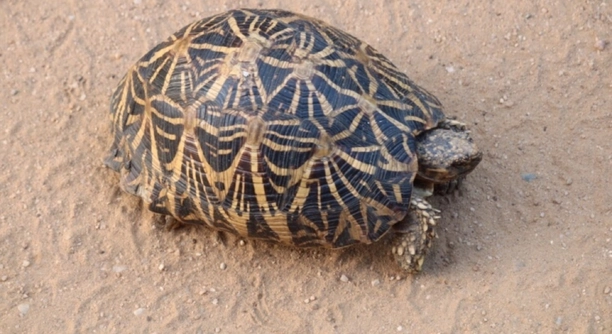
Indian Star Tortoises are fascinating creatures, with unique behaviors and mating habits. These tortoises, known for their striking shell patterns, offer many intriguing insights into the natural world, especially when it comes to reproduction.
Mating in Indian Star Tortoises is influenced by various factors, including environmental conditions and social dynamics. Typically, males display mating behaviors such as chasing females and vocalizing, which is crucial for successful reproduction.
Understanding these mating habits can deepen our appreciation for their behaviors and help in their conservation efforts.
Mating Behavior of Indian Star Tortoises
Indian Star Tortoises exhibit fascinating mating rituals, driven by both environmental and social cues. Males are often seen chasing after females during the breeding season, displaying a mix of persistence and agility. The courtship process can be intense, with males using their long front legs to nudge and stroke the females, signaling their interest. This behavior is not just about physical closeness but also about demonstrating readiness for mating. The females, on the other hand, are generally more passive during the courtship, deciding when they are ready to mate. Successful mating often depends on timing, as environmental conditions such as temperature and humidity play a crucial role in determining the tortoises’ reproductive success.
These behaviors are observed primarily during the warmer months when the tortoises are most active. Male-to-male competition is also common, with some individuals engaging in aggressive tactics to secure mating opportunities. This competitive nature ensures that only the strongest and most persistent males get the chance to mate.
Understanding how the Indian Star Tortoises interact with each other during mating helps inform efforts in protecting their habitats. By recognizing the specific conditions that foster successful reproduction, conservationists can better preserve these unique creatures.
Environmental Factors Affecting Mating Success
Mating success in Indian Star Tortoises is heavily influenced by the environment. The right temperature, humidity, and seasonal changes all contribute to the likelihood of successful reproduction. These factors determine not only the tortoises’ mating behaviors but also the health of their eggs.
When the environment is favorable, such as during the dry months, males become more active in their courtship efforts. The warm temperatures encourage these tortoises to emerge from their hiding spots and seek mates. However, cooler or excessively wet conditions can reduce their mating opportunities. Environmental disruptions, such as deforestation, also pose a threat by limiting suitable habitats for mating.
For conservation efforts to be successful, it’s important to maintain stable environments. Protecting natural habitats from human encroachment is vital for ensuring these animals can continue their reproduction patterns without interference. The balance between the tortoises’ habitat and the external environment plays a key role in supporting their survival.
Male Aggression During Mating
Male Indian Star Tortoises exhibit aggressive behaviors to compete for mates. When more than one male is present, they will engage in physical confrontations, using their shells and front legs. These males often charge at one another, pushing, butting, and sometimes biting to establish dominance. The most dominant male gains the opportunity to mate.
Aggression is an essential part of the male’s mating strategy. This physical display is meant to prove strength and capability. The male with the most energy and persistence often wins. However, the level of aggression varies, with some males relying more on endurance than force.
While aggression is common, it’s also balanced by a degree of caution. Males avoid direct conflict when a female is not near, conserving energy. They use aggressive tactics only when necessary, knowing that excessive aggression can harm their chances in the long run.
Female Selection in Mating
Females are more selective during the mating process. While males actively pursue them, females generally decide when and with whom they will mate. Their passive behavior often leads to a more calculated approach to mating, ensuring that only the most suitable male is chosen.
This selective nature helps protect the female’s well-being. By controlling the mating process, females can ensure they mate with the strongest males who will likely produce healthier offspring. It also allows them to avoid unnecessary aggression, as they typically only mate when they feel the conditions are right.
Their choice is influenced by male behavior, including how well the male competes with others and how effectively he can court her. Females tend to favor males who exhibit stamina and persistence, both in terms of physical strength and social behavior, ensuring a better chance of successful reproduction.
Mating Season and Timing
The mating season for Indian Star Tortoises typically begins during the warmer months, from late spring to early summer. This is when both males and females are most active and ready to reproduce. Environmental conditions, such as temperature and rainfall, significantly impact the timing of mating.
Mating usually occurs after a period of courtship, which can last several days. The warmer weather encourages both males and females to emerge from their burrows, increasing their chances of finding a mate. This seasonal timing ensures that the tortoises are more likely to successfully reproduce.
The Role of Shells in Mating
The shells of Indian Star Tortoises play a significant role in mating rituals. Males often use their shells to push or shove the females into mating positions. The unique patterns and shapes of the shells may also play a role in distinguishing individuals during courtship.
These shell-related behaviors are essential for facilitating proper mating, ensuring that the male can align with the female for successful copulation. The structure of the shells allows males to position themselves better during the process, increasing the likelihood of a successful mating event.
Post-Mating Behavior
After mating, female Indian Star Tortoises often seek solitude to lay their eggs. The female’s behavior shifts from social to solitary as she prepares for egg-laying. The males, on the other hand, tend to return to their previous activities, no longer showing interest in mating until the next season.
FAQ
Why do male Indian Star Tortoises chase females?
Male Indian Star Tortoises chase females during the breeding season as part of their courtship. The chase is a way for males to show their interest and prove their stamina. Males are driven by a need to find a mate, and the chase is an instinctual way to compete for mating opportunities. Males will often chase multiple females until they find one that is receptive.
Do male Indian Star Tortoises fight for mates?
Yes, male Indian Star Tortoises often engage in physical fights to secure mating rights. When more than one male is present, they may butt heads, charge, or use their shells to push each other. The fighting is usually not lethal but can be intense, with the more dominant male gaining access to the female. The male who demonstrates the most strength and persistence typically wins.
How long do Indian Star Tortoises mate?
The mating process in Indian Star Tortoises can last anywhere from 15 minutes to over an hour, depending on the individuals involved. Mating duration may vary, as males need to position themselves correctly and maintain the copulation for successful fertilization. During courtship, the male may also attempt to show his persistence by continuing the mating process, which can last longer in certain circumstances.
Do female Indian Star Tortoises choose their mates?
Yes, female Indian Star Tortoises are selective during the mating process. They observe the males’ behavior and decide which one they are willing to mate with. Females tend to favor males that show the most persistence, stamina, and physical strength. By being selective, females ensure that they mate with the fittest male, increasing the chances of healthier offspring.
How often do Indian Star Tortoises mate?
Indian Star Tortoises typically mate once a year during the breeding season. Mating takes place in the warmer months when the tortoises are most active. After mating, females often seek solitude to lay their eggs. The males may attempt to mate again if they find another receptive female during the season, but generally, their mating frequency is limited to the breeding period.
What time of year do Indian Star Tortoises breed?
Indian Star Tortoises breed during the warmer months, usually between late spring and early summer. This is when the tortoises are most active and ready to reproduce. Temperature and humidity play a crucial role in determining the timing of the breeding season. Warmer weather encourages these tortoises to come out of hiding and seek mates.
How do Indian Star Tortoises reproduce?
Indian Star Tortoises reproduce through internal fertilization. During mating, the male climbs onto the female’s back and aligns with her to copulate. The fertilization of eggs occurs inside the female’s body. After mating, the female will seek out a suitable place to lay her eggs, typically in a hole she digs in the ground. The eggs are left to incubate in the ground until they hatch.
Do Indian Star Tortoises stay with their mates after mating?
No, Indian Star Tortoises do not stay with their mates after mating. Once the mating is complete, the female typically goes off to lay her eggs in solitude. The male returns to his regular activities and does not assist in the egg-laying process. There is no long-term pair bonding between the sexes; mating is primarily for reproduction.
How does the environment affect Indian Star Tortoise mating?
The environment plays a significant role in the mating habits of Indian Star Tortoises. Temperature and humidity influence their activity levels, which in turn affects their mating behaviors. Warmer temperatures encourage mating and courtship, while colder conditions can hinder their ability to find mates. The availability of food and water also impacts their health and readiness to breed.
Are Indian Star Tortoises endangered?
Yes, Indian Star Tortoises are considered vulnerable, and their population is decreasing. Habitat loss, poaching for the pet trade, and climate change are significant threats to their survival. Conservation efforts are crucial to protect their natural habitats and ensure that they can continue to reproduce. Protecting these tortoises helps preserve their mating behaviors and overall ecosystem.
Final Thoughts
Indian Star Tortoises have a fascinating approach to reproduction that is shaped by their environment and biological instincts. From the aggressive behavior of males competing for mates to the careful selection process by females, every aspect of their mating habits is aimed at ensuring the survival of the species. The seasonal timing of mating ensures that both males and females are most active and prepared for reproduction. As the warmer months encourage increased activity, these tortoises are ready to meet and mate, ensuring that they produce the healthiest offspring possible.
The process of mating itself, along with the behaviors that accompany it, also highlights the importance of their physical strength and resilience. Males must demonstrate dominance through aggression and stamina, while females take a more passive approach, carefully choosing the male that they believe will provide the best chance for healthy offspring. This balance of aggression and selectivity is crucial for their survival in the wild, where competition is fierce and environmental conditions play a significant role in their success.
While the mating habits of Indian Star Tortoises are compelling, they also serve as a reminder of the vulnerability of these creatures. With their population decreasing due to habitat destruction and poaching, it is essential to continue conservation efforts. By understanding their natural behaviors and the importance of a healthy environment for their reproduction, we can better support the protection of these beautiful creatures. Ensuring that Indian Star Tortoises have a safe environment in which to thrive is vital not only for their survival but also for maintaining the ecological balance they help support.

Hello,
If you enjoy the content that we create, please consider saying a "Thank You!" by leaving a tip.
Every little bit helps us continue crafting quality advice that supports the health, happiness, and well-being of pets around the world, for pets of all shapes, sizes, and species.
We really appreciate the kindness and support that you show us!