
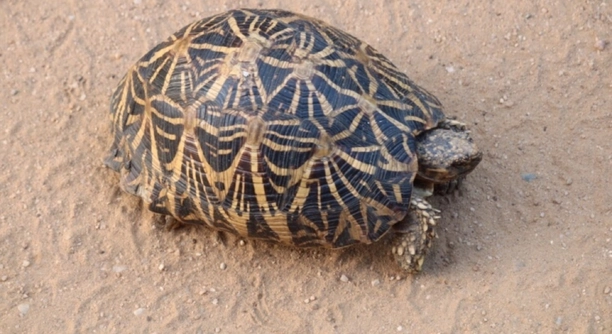
Having an Indian Star Tortoise as a pet can bring joy, but it’s not uncommon for owners to notice their tortoise flipping over. This behavior can be puzzling, especially if it happens frequently.
The main reason your Indian Star Tortoise might keep flipping over is its shell shape and balance. Due to their domed shells, tortoises can sometimes struggle to right themselves when flipped onto their backs, especially if they are in an unstable environment.
Understanding why your tortoise keeps flipping over can help you create a safer and more comfortable space for it. Identifying the cause will improve your tortoise’s quality of life and prevent any unnecessary distress.
Shell Shape and Size
The shape and size of your Indian Star Tortoise’s shell play a significant role in why it might flip over. These tortoises are known for their high, domed shells, which can make it harder for them to stay upright. If they end up on their backs, they may struggle to right themselves because of the uneven weight distribution. Their rounded shells can easily cause them to lose balance, especially in environments with uneven surfaces. This is more common in younger tortoises, whose shells haven’t fully developed strength or stability yet.
The domed shell creates an unbalanced center of gravity. The tortoise’s movement may cause them to topple when exploring. The design of their shell makes it difficult for them to recover from a flip.
It’s essential to provide a flat, smooth surface for your tortoise to roam. If the ground is uneven or has obstacles, they are more likely to tip over. Creating a safe environment with stable surfaces will help prevent frequent flipping and allow your tortoise to move around comfortably.
Health and Weight Issues
Sometimes, health problems or improper weight distribution might contribute to the issue. Overfeeding can lead to weight gain, which can throw off the tortoise’s balance. Being overweight can make it more difficult for them to right themselves after a fall. If the tortoise is too heavy for its legs and shell structure, it may struggle to regain its position.
It’s important to monitor your tortoise’s diet and weight regularly. Providing the right balance of food and making sure it’s not gaining excess weight can improve its overall health and stability. Keep in mind that older tortoises can face the same difficulties, as their physical abilities start to decline with age.
Enclosure Design and Habitat Conditions
The environment where your Indian Star Tortoise lives affects its balance. If the enclosure is too small, overcrowded, or lacks sufficient space for movement, it increases the chances of flipping. The surface should be even, without any sharp edges or unstable objects. An enclosure with uneven ground can lead to frequent accidents.
Make sure your tortoise has enough room to move freely. Providing a larger space will allow it to explore safely without constantly flipping over. The substrate should be soft but firm enough to provide traction. Avoid rocks or items that may cause your tortoise to trip or become unbalanced. Adding some hides or ramps can help, as long as they don’t obstruct its movement.
Keep the habitat clean and simple to prevent accidental falls. It’s easy to overlook how an unsuitable environment can impact the tortoise’s behavior and safety. Regularly check the terrain for hazards, and make sure your tortoise has a safe, secure space to call home.
Proper Care and Supervision
Proper care involves regularly monitoring your tortoise for any signs of weakness or imbalance. If your tortoise keeps flipping over more frequently than usual, it’s essential to assess whether the problem lies in its health or habitat. Stress, illness, or injuries can cause your tortoise to behave unusually, including excessive flipping.
By observing your tortoise’s behavior closely, you can catch any changes early. If your tortoise appears weak or lethargic, it may be a sign of underlying health issues. Immediate attention can prevent further harm. Take the time to interact with your tortoise and ensure it is moving confidently and steadily.
It’s also wise to seek advice from a vet experienced with reptiles if your tortoise’s flipping persists. A professional assessment can rule out any medical conditions, ensuring that you are providing the best care possible.
Tortoise Behavior and Natural Instincts
Indian Star Tortoises are naturally curious creatures. When exploring, they might end up flipping over as part of their usual movement patterns. Tortoises often lean too far forward or sideways during their exploration, leading to an accidental tumble. This behavior is typical of many species.
Tortoises are slow-moving but persistent, so they might continue moving even if it puts them at risk. Their instinct is to explore their surroundings, and sometimes that leads to awkward positions. However, with proper care and monitoring, these flips are usually harmless.
Lack of Activity and Exercise
A lack of exercise can contribute to balance problems. If your tortoise isn’t getting enough physical activity, its muscles may weaken, making it harder to right itself when flipped over. Providing a larger, more dynamic space for your tortoise to roam will help keep it physically fit and active.
Regular movement is essential for maintaining strong muscles and proper coordination. Make sure your tortoise has opportunities for walking and exploring different areas within its enclosure. This helps maintain muscle tone, keeping your tortoise agile and less likely to fall over due to weakness or lack of strength.
Temperature and Lighting
Temperature and lighting conditions in your tortoise’s habitat can also affect its balance. If the enclosure is too cold or too hot, it can cause lethargy, which in turn makes it harder for the tortoise to move around or right itself. Keeping the habitat at the right temperature is crucial for your tortoise’s health.
Make sure there are warm and cool areas for your tortoise to regulate its body temperature. Providing the right balance of light and heat will encourage your tortoise to be more active and less likely to flip over from fatigue or weakness caused by poor environmental conditions.
FAQ
Why does my Indian Star Tortoise keep flipping over?
There are several reasons why your tortoise might keep flipping over. The most common reason is its shell shape. Indian Star Tortoises have high, domed shells that can make them top-heavy. This shape can cause them to lose balance when moving, especially on uneven surfaces. Overweight tortoises also have a higher chance of flipping over since the extra weight makes it harder for them to right themselves.
Additionally, environmental factors play a role. If the enclosure has uneven surfaces or obstacles, your tortoise might easily tip over. Lack of space or rough terrain can further contribute to this issue. Poor health, including muscle weakness from lack of activity, can also affect its ability to stay upright.
How can I prevent my tortoise from flipping over?
The best way to prevent your Indian Star Tortoise from flipping over is to provide a safe, stable environment. Ensure the enclosure has a flat surface with minimal obstacles. Avoid using items that might trip your tortoise or cause it to lose balance. Consider using softer, stable materials for the substrate to give your tortoise a safe space to move.
Another key factor is exercise. Ensure your tortoise has enough space to roam, so it can develop the muscle strength it needs to stay balanced. You can also create an area with gentle ramps or sloped surfaces to help your tortoise move safely.
Can my tortoise get hurt if it flips over?
While occasional flipping may not cause harm, repeated flips can lead to injury or stress. Being on its back for too long can strain your tortoise’s internal organs, especially the lungs, which may lead to respiratory issues. If your tortoise flips over often, it may experience dehydration, discomfort, or a weakened immune system.
If you find your tortoise on its back, it’s important to gently help it back onto its feet. Regular flipping can also cause stress, affecting your tortoise’s overall health and behavior. Ensure your habitat is safe and free of hazards.
Is it normal for my Indian Star Tortoise to flip over sometimes?
It’s not unusual for a tortoise to flip over occasionally. They can easily end up on their backs while exploring, especially in unfamiliar surroundings. However, it becomes a problem when flipping happens frequently, which can indicate that your tortoise is struggling to maintain balance or that its environment is unsuitable.
If you observe frequent flipping, it’s a sign that something in its care may need adjustment. You can fix this by improving the enclosure design, ensuring proper diet and exercise, and providing adequate space for exploration.
What should I do if my tortoise is repeatedly flipping over?
If your tortoise keeps flipping over, you should first check its environment. Look for uneven surfaces, sharp objects, or areas that could make it difficult for your tortoise to move safely. Make adjustments to the enclosure to create a safer, more stable space. You might need to add ramps or alter the substrate to provide more traction.
Next, assess your tortoise’s health. Weakness, dehydration, or illness can cause balance issues. If necessary, consult a veterinarian who specializes in reptiles for a health check-up. They can rule out any underlying medical issues that might be contributing to the flipping behavior.
Can temperature affect my tortoise’s ability to stay upright?
Yes, temperature can play a significant role in your tortoise’s ability to stay upright. If the environment is too cold, your tortoise may become sluggish and weak, which can make it harder for it to move or right itself if it falls. Conversely, excessive heat can lead to dehydration and fatigue.
Ensure the enclosure has proper temperature gradients, with a warm area for basking and a cooler area for retreat. Providing adequate heat and lighting helps maintain your tortoise’s energy levels and encourages natural behaviors that promote balance and stability.
Is it okay for my tortoise to live in a small enclosure?
A small enclosure can increase the likelihood of your tortoise flipping over, as there might not be enough space for it to move around freely. Small enclosures with little room for exploration can cause stress and limit the tortoise’s ability to exercise, leading to weakness and balance problems.
For your tortoise’s well-being, provide a spacious habitat where it can move freely and explore. The larger the space, the more likely your tortoise will be able to stay upright, and the better it will be for its physical and mental health.
Final Thoughts
It can be concerning when your Indian Star Tortoise keeps flipping over, but in most cases, it’s a manageable issue. Understanding the reasons behind this behavior can help you make the necessary adjustments to improve your tortoise’s living conditions. Whether it’s the shape of its shell, its habitat, or a health issue, identifying the cause is the first step in preventing frequent flipping.
Creating a safe and comfortable environment for your tortoise is essential. A stable, flat surface will reduce the chances of it tipping over. Be mindful of the materials used in the enclosure and remove any obstacles that might cause your tortoise to lose its balance. Additionally, providing enough space for your tortoise to roam freely can help it stay healthy and active. Exercise is important for keeping its muscles strong and ensuring it can move around without difficulty.
Lastly, always monitor your tortoise’s health. If flipping continues or your tortoise seems weaker than usual, consider a check-up with a reptile vet. A proper diet, good care, and the right environmental conditions are all vital for your tortoise’s well-being. With the right setup and attention, your Indian Star Tortoise can live a happy, healthy life without the constant risk of flipping over.

Hello,
If you enjoy the content that we create, please consider saying a "Thank You!" by leaving a tip.
Every little bit helps us continue crafting quality advice that supports the health, happiness, and well-being of pets around the world, for pets of all shapes, sizes, and species.
We really appreciate the kindness and support that you show us!