
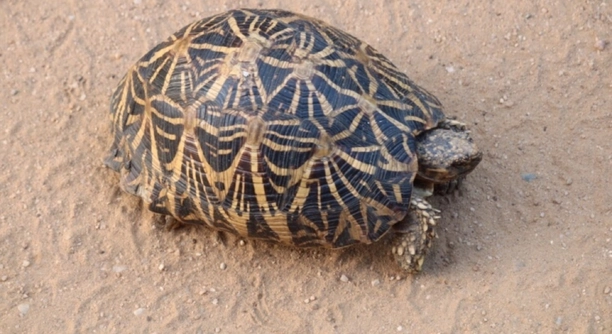
Indian Star Tortoises are a popular choice for pet owners looking for a hardy and low-maintenance reptile. Their ability to adapt to captive conditions makes them ideal for many turtle enthusiasts. This article will explore why these tortoises thrive in captivity.
Indian Star Tortoises thrive in captive conditions due to their relatively low environmental needs, adaptability to different climates, and manageable size. Their diet, proper care, and suitable enclosures contribute to their health and longevity in controlled environments.
Understanding their needs will help ensure that your tortoise thrives in its home. Let’s explore how you can create the perfect environment for your pet.
1. Simple Diet Requirements for Indian Star Tortoises
Indian Star Tortoises have relatively simple dietary needs, making them easy to care for. A combination of leafy greens, grasses, and occasional vegetables will keep them healthy. They do not require anything too fancy. Their diet in the wild consists mainly of plants, so replicating this is straightforward. They enjoy things like dandelion greens, clover, and collard greens. You should avoid feeding them too many high-protein foods as it can affect their health.
A balanced diet ensures they receive the necessary vitamins and minerals. It is essential to provide calcium-rich foods to help support their shell growth. Be mindful of portions to prevent overfeeding, which could lead to obesity.
Indian Star Tortoises are not picky eaters, but variety in their meals will help prevent nutritional deficiencies. Offering them different plants every few days ensures they get a wide range of nutrients. Offering fresh water daily is important, and so is avoiding food that is too high in fat.
2. Suitable Habitat for an Indian Star Tortoise
Indian Star Tortoises adapt well to a variety of living spaces, but creating a suitable habitat is essential. A spacious enclosure with proper heating and humidity control is key to their well-being. This can be as simple as a large tank or a secure outdoor space during warm weather. The enclosure should have a temperature gradient, allowing the tortoise to move between warmer and cooler areas.
A habitat with proper substrate is also important for burrowing and digging, which is a natural behavior for them. Coconut coir, soil, and sand mixed together can mimic their natural environment. Adding hiding places like small logs or rocks will provide security.
Providing UVB lighting in an indoor environment is necessary, as it helps them metabolize calcium and supports overall health. Outdoor tortoises will naturally get the necessary UV exposure. Regular cleaning and maintaining the humidity levels within the right range will ensure they remain comfortable and healthy.
3. Low Maintenance Care for Indian Star Tortoises
Indian Star Tortoises are not demanding when it comes to daily care. Their relatively low maintenance needs make them an ideal choice for many pet owners. The most important aspects are feeding, hydration, and maintaining their environment.
Cleaning their habitat regularly and ensuring they have fresh water every day is essential. In general, they are hardy animals that do not require constant attention. However, monitoring their behavior, checking for signs of illness, and ensuring they have a proper diet are important tasks.
They are also known to be independent and content in their enclosures. Once their habitat is set up and food is provided, they generally take care of themselves. Unlike more active pets, they do not require constant interaction. This makes them a great option for people with busy lives.
4. Temperament of Indian Star Tortoises in Captivity
Indian Star Tortoises are generally calm and gentle in captivity. They have a peaceful nature, which makes them great for quiet, indoor environments. Unlike other reptiles, they are not as aggressive or territorial, making them easier to handle.
They are not particularly social creatures but can become comfortable with their owners over time. When handled gently and consistently, they can recognize their caretakers and may become more trusting. However, they are also fine with their own space and may not actively seek out interaction.
While they can tolerate brief handling, it is important not to stress them out. Allowing them time to move around and settle into their environment is key to their well-being. If left undisturbed, they will thrive in their habitats without the need for constant human interaction.
5. Slow Growth Rate of Indian Star Tortoises
Indian Star Tortoises grow slowly, which can make them easier to manage as pets. They take their time reaching full size, which reduces the need for constant adjustments in their habitat as they mature. This slow growth means they can live in the same enclosure for a long period.
Their slow growth rate also makes them less demanding in terms of space requirements. It’s not necessary to upgrade their habitat frequently, which can save both time and money. As long as their basic needs are met, they will continue to thrive.
6. Hardiness and Adaptability
One of the biggest advantages of Indian Star Tortoises is their hardiness. They adapt well to different climates and are generally resistant to common illnesses. This makes them a durable species in captivity, as long as they have the proper environment.
They are not as sensitive as other reptiles, allowing them to adjust to minor fluctuations in temperature or humidity. They can tolerate some variations, though keeping things stable is still important. With proper care, they can withstand various conditions and remain healthy over time.
7. Easy to Monitor Health
Monitoring the health of Indian Star Tortoises is relatively straightforward. They are not prone to frequent health issues, and when they do get sick, it is usually easy to spot. Keep an eye on their behavior, shell condition, and appetite.
Regular check-ups from a vet experienced with reptiles can help ensure that your tortoise stays healthy. While they rarely require emergency care, being proactive about their well-being will help catch any potential issues early. Their overall health can be maintained with simple observation.
FAQ
How long do Indian Star Tortoises live?
Indian Star Tortoises can live for 50 years or more in captivity with proper care. Their lifespan depends on the conditions they are kept in, including diet, habitat, and overall health. Providing a stable environment with the right temperature, humidity, and proper care can help them live to their full potential. Some tortoises may live even longer if they are well looked after, so it’s important to be prepared for a long commitment when deciding to care for one.
What size habitat do Indian Star Tortoises need?
Indian Star Tortoises need a spacious habitat, especially as they grow. For a single adult tortoise, a minimum of a 40-gallon tank is recommended, though larger enclosures are ideal for their long-term well-being. They require enough space to move around freely and exercise, which is important for their health. If you’re keeping them outdoors, a secure area with access to sun, shade, and areas to hide works well. The larger the space, the better for their physical and mental health.
What temperature should the enclosure be?
Indian Star Tortoises need a temperature gradient in their habitat. The basking area should be around 90°F (32°C), while the cooler side of the enclosure should be between 75-80°F (24-27°C). This temperature range allows them to regulate their body temperature by moving between the warmer and cooler parts of their space. A heat lamp or ceramic heater can be used for the basking spot, while a cooler area can be achieved with natural room temperature or additional fans for ventilation.
Do Indian Star Tortoises need UVB light?
Yes, Indian Star Tortoises need UVB light, especially if they are kept indoors. UVB light is essential for them to metabolize calcium and maintain healthy bone and shell growth. Without it, they can develop metabolic bone disease. If they are outside, they will naturally get UVB exposure from the sun. However, indoor tortoises will need UVB lamps that provide the right type of light, which should be replaced every 6 to 12 months for maximum effectiveness.
Can Indian Star Tortoises eat fruits?
While Indian Star Tortoises can eat small amounts of fruits, it should be limited. Their diet should mainly consist of leafy greens and grasses. Fruits should only be offered occasionally as a treat, since they are high in sugar and can cause digestive issues if overfed. Some safe fruits to offer in moderation include berries, melons, and papaya. Always avoid citrus fruits and too much of anything sweet, as it can disrupt their balance.
What is the best substrate for Indian Star Tortoises?
A good substrate for Indian Star Tortoises is one that is safe, easy to clean, and encourages natural behaviors like digging. A mixture of coconut coir, organic topsoil, and sand works well. It provides good humidity control and allows the tortoise to dig if it wishes. Avoid using substrates like cedar or pine shavings, as they can release harmful oils that affect the tortoise’s respiratory system. Keep the substrate dry but not too dry, as maintaining proper humidity is important for their health.
How often should I feed my Indian Star Tortoise?
Indian Star Tortoises should be fed once a day, though younger tortoises might need more frequent feedings. As adults, they can be fed daily or every other day, depending on their appetite and size. Their diet should include a variety of leafy greens, grasses, and some vegetables. It’s best to feed them at the same time each day to create a routine. Make sure to remove any uneaten food to prevent it from spoiling in their enclosure.
Do Indian Star Tortoises need a companion?
Indian Star Tortoises are solitary creatures and do not require a companion to thrive. They are generally fine living alone, as they are not overly social animals. In fact, having multiple tortoises in one enclosure can sometimes lead to territorial behavior or stress. It’s best to keep them solo unless you’re an experienced keeper and can provide enough space for each tortoise to have its own area. They don’t typically seek out companionship and are content in their own space.
Can Indian Star Tortoises swim?
Indian Star Tortoises are not strong swimmers, and they should not be placed in deep water. While they are capable of paddling in shallow water, they should not be submerged for long periods. In the wild, they usually live in areas with shallow pools or streams, but they are not aquatic animals. It’s best to provide a shallow dish of water that they can drink from and soak in when they need hydration. Ensure the water is shallow enough that they can easily climb in and out without getting stuck.
How can I tell if my Indian Star Tortoise is healthy?
A healthy Indian Star Tortoise will have a smooth, hard shell with no signs of cracks, soft spots, or lesions. Their eyes should be clear, bright, and free from discharge. They should be active and alert, not lethargic or showing signs of stress. Their appetite should be strong, and they should be able to move around freely. If you notice any unusual behavior, such as lack of appetite, shell discoloration, or abnormal feces, it could be a sign of illness, and a vet visit should be considered.
Final Thoughts
Indian Star Tortoises make great pets for those looking for a low-maintenance reptile that thrives in captivity. With their calm temperament, simple dietary needs, and relatively easy care, they are a good choice for both beginners and experienced reptile keepers. These tortoises adapt well to various environments, and their long lifespan means they can be companions for many years, as long as their needs are met. Their slow growth rate and low maintenance make them a manageable pet that won’t require constant attention or frequent changes in their setup.
However, owning an Indian Star Tortoise is still a long-term commitment. They require a proper habitat with the right temperature, humidity, and space. While they don’t need constant interaction, providing them with a suitable environment is essential for their health and well-being. It’s important to regularly monitor their diet, hydration, and the condition of their shell. With the right care, these tortoises will thrive in captivity, but neglecting their needs can lead to health problems over time. Their diet should mainly consist of leafy greens and occasional fruits, and they need a proper UVB light source if they are kept indoors.
In conclusion, if you’re considering bringing an Indian Star Tortoise into your home, it’s crucial to understand their basic needs and plan accordingly. They are relatively low-maintenance compared to other pets, but they do require a stable, well-maintained environment to live a healthy life. Once you set up their habitat, monitor their health, and provide a balanced diet, they can live for decades and bring a sense of calm to your home. So, if you’re ready for the commitment, an Indian Star Tortoise could be a rewarding companion.

Hello,
If you enjoy the content that we create, please consider saying a "Thank You!" by leaving a tip.
Every little bit helps us continue crafting quality advice that supports the health, happiness, and well-being of pets around the world, for pets of all shapes, sizes, and species.
We really appreciate the kindness and support that you show us!