
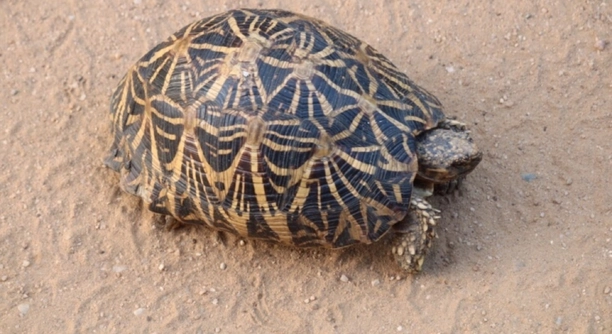
Vitamin deficiencies in Indian Star Tortoises can lead to various health problems, affecting their overall well-being. Identifying these deficiencies early on is important for ensuring your tortoise thrives and stays healthy.
The most common vitamin deficiencies in Indian Star Tortoises include a lack of vitamin A, calcium, and D3. These deficiencies can cause poor shell growth, respiratory issues, and weakened bones, significantly affecting your tortoise’s health.
In the following sections, we will explore simple ways to spot these deficiencies and offer practical solutions to help your tortoise live a healthy, vibrant life.
Common Vitamin Deficiencies in Indian Star Tortoises
Vitamin A deficiency is one of the most common health issues in Indian Star Tortoises. It can lead to respiratory problems, swollen eyes, and even skin issues. Tortoises may appear lethargic and less active. Without enough vitamin A, their immune systems become weaker, and they may struggle with infections. Vitamin A is essential for maintaining healthy skin, eyes, and mucous membranes. Poor diet or improper lighting can often cause these deficiencies. The right diet should include dark leafy greens like kale and dandelion, as well as vegetables like carrots to provide the necessary nutrients.
Another common deficiency is a lack of calcium. This mineral is vital for strong bones and a healthy shell. Tortoises with calcium deficiency might have soft, malformed shells or struggle with movement. Calcium is best provided through calcium supplements or cuttlefish bone, which should be available at all times in their habitat. Exposure to natural sunlight helps the tortoise process calcium efficiently. Without sufficient calcium, a tortoise’s bones become brittle, leading to deformities.
The Role of Vitamin D3 in Tortoise Health
Vitamin D3 is another essential nutrient that supports calcium absorption. Without enough D3, tortoises cannot absorb calcium properly, even if it is available. A lack of this vitamin leads to metabolic bone disease, causing skeletal deformities and fractures. Exposure to UVB light is necessary for vitamin D3 synthesis, so ensure your tortoise gets enough natural sunlight or a proper UVB bulb if kept indoors.
Inadequate UVB light can also cause severe health issues in Indian Star Tortoises, affecting their growth, bone strength, and overall vitality. To prevent this, it’s crucial to provide access to UVB lighting or safe outdoor space where your tortoise can bask in the sun. The UVB rays help convert cholesterol in the tortoise’s skin into vitamin D3. Make sure your lighting setup is appropriate for the species. When these tortoises don’t get enough exposure, they may exhibit weak limbs or abnormal shell growth, signaling a need for intervention. This simple step can help your tortoise maintain strong bones and a healthy metabolism.
Identifying Early Signs of Vitamin Deficiencies
Early signs of vitamin deficiencies are often subtle but can become serious if left untreated. If your tortoise has swollen eyes, mucus around the nose, or loss of appetite, these could be signs of vitamin A deficiency. Similarly, if you notice that your tortoise is having difficulty moving or its shell is soft, this may indicate calcium or D3 deficiency.
Monitoring your tortoise’s behavior and physical condition is key to early detection. Regularly check its shell, eyes, and overall activity level. If you notice anything unusual, consult with a vet to address the issue quickly. Keeping a well-balanced diet and providing adequate UVB light can prevent these issues before they become more serious. These small actions will help maintain your tortoise’s long-term health and happiness.
Adjusting Diet for Vitamin Deficiencies
To address vitamin deficiencies, start with diet adjustments. Incorporating high-quality leafy greens, such as kale, collard greens, and dandelion, provides essential vitamins and minerals. Offer a variety of vegetables and fruits like carrots, squash, and berries to improve their overall nutrition. These food options can help prevent vitamin A deficiency and support overall well-being.
For calcium, you can add foods like cactus pads, which are high in calcium, or consider feeding them calcium-rich veggies like mustard greens. Dusting their food with calcium powder is another effective method. Make sure they receive a consistent, balanced diet to keep their bones strong and their shell healthy.
A diverse diet ensures your tortoise gets the right balance of nutrients. Supplementing with vitamin A, calcium, and D3 will help prevent deficiencies and boost their health. Just make sure the diet remains consistent and not overly reliant on one type of food. Fresh, nutrient-dense meals will help your tortoise stay strong and vibrant.
Providing Proper UVB Lighting
UVB lighting plays a crucial role in vitamin D3 production, which is essential for calcium absorption. A proper UVB bulb should be placed close to your tortoise’s basking area. This lighting mimics the sun’s rays, which are necessary for converting cholesterol in their skin into vitamin D3. Without it, they can develop serious health problems.
When choosing UVB bulbs, make sure they are specifically designed for reptiles and cover the correct UV spectrum. The bulb should be replaced every six months, even if it still emits light, because the UVB rays degrade over time. Proper placement of the bulb is also essential, as it should be positioned at an appropriate distance from the tortoise, allowing them to bask comfortably beneath it.
Additionally, natural sunlight is the best source of UVB. If possible, let your tortoise bask outside for a few hours each day. But make sure they are not exposed to direct heat for too long, as they can overheat. If your tortoise is primarily kept indoors, investing in the right UVB lighting system will be key to keeping them healthy.
Vitamin Supplementation for Tortoises
Adding supplements to your tortoise’s diet is an easy way to ensure they get the necessary vitamins. Calcium and vitamin D3 supplements can be dusted on their food, especially if they’re not getting enough through diet or UVB light. Vitamin A can be supplemented with specialized reptile multivitamins.
Over-supplementation can cause problems, so it’s important to follow recommended doses. Use the supplements as needed, depending on the individual needs of your tortoise. A balanced diet and proper UVB exposure should be prioritized, and supplements should only be used to fill in any gaps in their nutrition.
Regular Veterinary Checkups
Routine vet visits are essential to monitor your tortoise’s health and address any nutritional deficiencies early. A reptile vet can perform blood tests to check for vitamin imbalances and suggest changes to the diet or supplements. This proactive care will ensure your tortoise remains in optimal health.
Veterinary guidance can also help with any symptoms of illness. If you notice unusual behavior or physical signs, getting a professional opinion is crucial. Early detection of health issues will prevent more severe problems down the road and ensure your tortoise lives a long, healthy life.
The Impact of Hydration
Hydration is just as important as diet when it comes to vitamin absorption. Make sure your tortoise always has access to fresh water. Proper hydration supports metabolism and helps process the vitamins and minerals in their system. Dehydration can affect your tortoise’s digestion, making it harder for them to absorb nutrients.
FAQ
What are the symptoms of vitamin A deficiency in Indian Star Tortoises?
Vitamin A deficiency in Indian Star Tortoises can cause swollen or crusty eyes, nasal discharge, and respiratory issues. They may also have trouble with their skin, and their overall activity might decrease. If left untreated, this deficiency can lead to more serious health concerns, including infections or weakened immune systems. It is crucial to address the symptoms early to prevent long-term damage.
How can I provide enough calcium to my tortoise?
Calcium is essential for healthy bones and shell growth. You can provide calcium by offering foods high in this nutrient, such as cactus pads and dark leafy greens. Additionally, dusting their food with calcium powder and offering cuttlefish bone will ensure they get enough. Make sure the tortoise has access to a proper UVB light source to help absorb calcium effectively.
Can I rely on supplements alone for my tortoise’s vitamin needs?
Supplements should not be the sole source of nutrition for your tortoise. A balanced diet of vegetables, leafy greens, and occasional fruits is necessary for overall health. Supplements can be helpful when there is a deficiency or during times when diet adjustments are needed. It is important to use supplements sparingly and in the correct amounts, as over-supplementation can be harmful.
What is the best UVB lighting for my tortoise?
Look for UVB bulbs specifically designed for reptiles, with a spectrum that suits tortoises. The UVB light should cover the correct range of UVB rays and be positioned close enough to the tortoise’s basking area. Replace UVB bulbs every six months as their effectiveness diminishes over time.
How much time should my tortoise spend in natural sunlight?
If possible, allow your tortoise to bask in natural sunlight for around 1-2 hours a day. Ensure they have a shaded area to retreat to in case they get too warm. Regular exposure to sunlight helps with vitamin D3 production, which is essential for calcium absorption.
Can I use regular light bulbs instead of UVB bulbs?
Regular light bulbs do not provide the UVB rays necessary for your tortoise to produce vitamin D3. UVB light is a specific wavelength of light that mimics sunlight and is critical for their health. Without it, your tortoise will not be able to absorb calcium effectively, leading to bone and shell issues.
What foods are best to prevent vitamin D3 deficiency?
Vitamin D3 is best absorbed through UVB exposure, not diet alone. However, you can add foods like eggs and liver to your tortoise’s diet to provide additional nutrients that help support bone health. Be sure to provide them with a balanced diet and proper UVB lighting to ensure they get enough vitamin D3.
How can I tell if my tortoise is dehydrated?
Signs of dehydration include a lack of appetite, sunken eyes, and dry, flaky skin. Dehydration can also cause a decrease in activity and a change in the consistency of the urine. Make sure your tortoise always has access to fresh water and consider giving them a soak in lukewarm water a few times a week to help with hydration.
How often should I check my tortoise for signs of vitamin deficiencies?
Check your tortoise regularly for signs of health issues, including vitamin deficiencies. Examine their shell, eyes, skin, and behavior at least once a week. If you notice any signs like swelling, discharge, or abnormal movements, consult a vet as soon as possible. Regular checks can help catch deficiencies early before they cause long-term damage.
Can I feed my tortoise fruit every day?
Fruit should be offered sparingly, as it is high in sugar and not as nutrient-dense as leafy greens and vegetables. It’s best to provide fruit as an occasional treat rather than a regular part of their diet. Too much fruit can upset their digestion and contribute to obesity, so moderation is key.
What are the long-term effects of untreated vitamin deficiencies in tortoises?
If left untreated, vitamin deficiencies can lead to permanent damage to a tortoise’s bones, shell, and internal organs. Metabolic bone disease, respiratory infections, and weakened immune systems are common consequences of long-term deficiencies. These issues can be avoided with early intervention, a balanced diet, proper UVB light, and regular veterinary care.
Can I use a heat lamp without UVB light for my tortoise?
Heat lamps can be useful for maintaining the proper temperature for basking, but they do not provide the UVB rays needed for your tortoise’s health. UVB lighting and heat lighting serve different functions, so it’s important to use both. Without UVB light, your tortoise won’t be able to synthesize vitamin D3, leading to bone and shell problems.
Is it okay to feed my tortoise commercial food pellets?
Commercial food pellets can be used in moderation, but they should not replace fresh vegetables, greens, and fruits in your tortoise’s diet. Many commercial pellets lack the variety and nutritional balance necessary for your tortoise’s long-term health. Always prioritize fresh, whole foods and use pellets as a supplement rather than the main diet.
Should I soak my tortoise in water regularly?
Soaking your tortoise in water a few times a week can help with hydration, especially if you notice any signs of dehydration. It can also assist in digestion and help keep their skin healthy. However, avoid soaking your tortoise too often, as it can cause stress. Keep the water warm and shallow to make the experience comfortable for them.
Can I provide my tortoise with a variety of leafy greens every day?
Yes, offering a variety of leafy greens daily is one of the best ways to ensure your tortoise gets the vitamins and minerals it needs. Different greens offer different nutrients, so mix up the options to provide a well-rounded diet. Kale, collard greens, and dandelion are all excellent choices for vitamin A, calcium, and fiber.
Maintaining the health of your Indian Star Tortoise requires attention to their diet, UVB light exposure, and hydration. Vitamin deficiencies can be easily overlooked, but they can cause serious health issues if not addressed. A balanced diet filled with fresh vegetables, leafy greens, and occasional fruits is essential to keep them thriving. Remember, it’s not just about feeding your tortoise; it’s also about providing the right environment with proper UVB light and ensuring they are hydrated.
It’s important to regularly check for signs of deficiencies, such as swollen eyes, soft shells, or lethargy. Early detection allows for faster treatment and a better chance of recovery. If you notice anything unusual with your tortoise, consult a reptile vet. They can guide you on proper nutrition and suggest changes to improve your tortoise’s health. Keep in mind that a healthy tortoise requires more than just food; they need a balanced lifestyle that includes the right environmental conditions.
By taking these simple steps, you can provide your tortoise with the best possible care. Understanding their nutritional needs and how to prevent deficiencies will help them lead a long and healthy life. Pay attention to their diet, ensure they have proper lighting and hydration, and watch for any signs of trouble. With the right care, your Indian Star Tortoise will continue to flourish, showing off its beautiful shell and lively personality for years to come.

Hello,
If you enjoy the content that we create, please consider saying a "Thank You!" by leaving a tip.
Every little bit helps us continue crafting quality advice that supports the health, happiness, and well-being of pets around the world, for pets of all shapes, sizes, and species.
We really appreciate the kindness and support that you show us!