
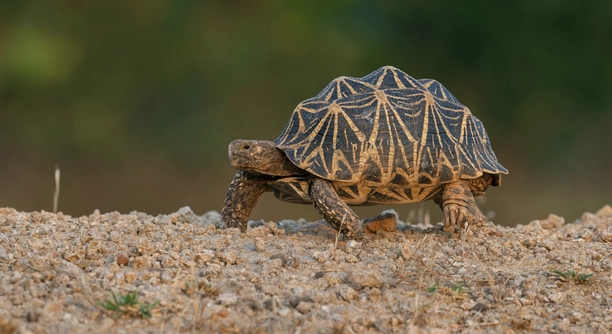
An Indian Star Tortoise is a beautiful and unique pet, but it can be concerning when it spends a lot of time napping during the day. If you’ve noticed this behavior, you may be wondering what could be causing it.
There are several reasons why your Indian Star Tortoise may be falling asleep midday. The most common factors include its natural sleep cycle, environmental conditions, and potential health concerns. Changes in lighting, temperature, or diet could all affect its activity levels.
Understanding your tortoise’s behavior can help address its needs. Ensuring proper care will keep your pet happy and healthy in the long run.
Natural Sleep Cycle of an Indian Star Tortoise
Indian Star Tortoises are naturally more active in the early morning and late afternoon. They tend to nap during midday, especially when the sun is at its peak. This is because their natural environment in the wild offers cooler periods in the middle of the day, and they rest to conserve energy. Their sleep cycle is closely tied to the sun’s position, as they are diurnal creatures. As a result, they may spend a significant amount of time in their shells during the hottest parts of the day.
If your tortoise seems to be sleeping more than usual during the afternoon, it’s likely just following its natural rhythm. This behavior isn’t necessarily alarming. However, understanding the environmental factors that may affect their sleep is essential for their well-being.
Although napping is natural, make sure that the sleep environment is comfortable and doesn’t cause stress. Proper temperature and humidity levels are key to ensuring your tortoise can rest without becoming sluggish or ill.
Environmental Factors
Heat and humidity are crucial in keeping your tortoise awake and active.
If the temperature is too high or too low, your Indian Star Tortoise may sleep longer than expected. In the wild, they are accustomed to certain temperature ranges and will often retreat into their shells when they feel too hot or cold. For optimal care, try maintaining the habitat between 80 and 90°F during the day and slightly cooler at night.
It’s important to also monitor the humidity levels in their environment. If the air is too dry, your tortoise may become lethargic and retreat into its shell to avoid dehydration. Proper ventilation and occasional misting will help create the ideal environment. Additionally, providing shaded areas for your tortoise can offer a cool spot to rest during the warmest parts of the day. Taking these factors into account can prevent excessive sleep and keep your tortoise more active during the day.
Health Concerns and Over-Sleeping
If your tortoise continues to nap more than usual, health issues may be at play.
In some cases, over-sleeping could be a sign of underlying health problems such as respiratory infections or parasites. These conditions may cause lethargy and make your tortoise spend more time sleeping, avoiding movement due to discomfort. It’s important to monitor other signs, such as lack of appetite, difficulty breathing, or unusual shell behavior. If these symptoms are present, it’s advisable to consult a veterinarian who specializes in reptiles.
A proper diet rich in vitamins and minerals can also impact your tortoise’s energy levels. If they aren’t receiving the right nutrients, they may feel weaker and sleep more often. Offering a balanced mix of leafy greens, vegetables, and some fruits can help support their immune system and overall vitality. Keep in mind that a stressed or poorly maintained habitat can contribute to these issues as well. Ensuring a stress-free, clean environment is essential for their health.
Temperature Regulation
Temperature plays a significant role in your tortoise’s energy levels.
If the temperature in its enclosure fluctuates too much, your tortoise may feel too hot or too cold, making it more likely to sleep during the day. Maintaining a consistent temperature range is crucial. When the temperature drops below 70°F, your tortoise may become sluggish and rest more. On the other hand, if it’s too warm, they might retreat into their shell to stay cool. Ensure that the basking spot reaches around 95°F, with cooler areas to give your tortoise options.
If your tortoise seems to sleep more despite the proper setup, try adjusting the temperature slightly to see if it encourages more activity.
Lighting and UVB Exposure
The lighting in your tortoise’s environment influences its behavior.
Indian Star Tortoises need access to both UVB lighting and natural sunlight for their overall health. Without adequate UVB exposure, they may develop metabolic bone disease, which can cause lethargy and increased sleep. A lack of proper lighting can also confuse their sleep-wake cycles, making them rest more than usual during the day.
Ensure that your tortoise has access to a full spectrum UVB light that mimics the sun’s rays, with 10-12 hours of light daily. This helps maintain their natural circadian rhythm and keeps them more active during the day. Also, consider giving them some outdoor time in a safe, secure area for natural sunlight. This exposure not only boosts their energy but also strengthens their bones and overall health.
Diet and Nutrition
What your tortoise eats affects how active it is.
A poor diet can lead to lethargy, causing your tortoise to sleep more. If it’s not getting enough nutrients, it may lack the energy needed for regular activity. Offering a balanced diet with a mix of dark leafy greens, vegetables, and some fruits is essential.
Ensure you are providing the right amount of calcium and other vitamins. Too little of these nutrients can result in weak bones and low energy. You can sprinkle calcium powder on the food occasionally, but make sure it’s balanced to avoid excess, which can also cause health issues.
Hydration
Proper hydration is key to keeping your tortoise alert.
If your tortoise isn’t drinking enough water, it might feel weak and sleep more often. Make sure fresh water is available daily, and consider soaking your tortoise in shallow water a few times a week. This will not only help with hydration but also improve its digestion.
Stress and Environment
Stress can make your tortoise sleep more than usual.
A stressful environment, such as a noisy or overcrowded space, can cause it to retreat into its shell and nap longer. Keep its habitat calm and peaceful, free from sudden loud noises and disturbances.
FAQ
Why does my Indian Star Tortoise sleep so much during the day?
Indian Star Tortoises have natural sleep cycles that make them more likely to rest during the day, particularly in the afternoon when the sun is at its peak. They are most active in the early morning and late afternoon. Napping midday is normal behavior, as they tend to avoid excessive heat during the hotter parts of the day. However, environmental factors such as temperature, lighting, or health issues can also influence their sleep patterns. If your tortoise seems to be sleeping more than usual, it may be worth adjusting the conditions in its habitat or seeking advice from a vet.
How can I tell if my tortoise is sleeping too much because of a health issue?
Over-sleeping can sometimes indicate underlying health problems, such as respiratory infections, parasites, or poor nutrition. If your tortoise isn’t eating, appears lethargic, or shows other signs of discomfort like difficulty breathing, you should consult a veterinarian. Additionally, if the sleeping behavior is accompanied by unusual shell behavior or skin issues, it could be a sign of illness. Health problems often cause lethargy and excessive sleep, so it’s important to address other symptoms alongside the sleep patterns. Regular check-ups and a balanced diet can also help avoid health issues.
Is it normal for my Indian Star Tortoise to sleep for long periods at a time?
Yes, it is normal for tortoises to sleep for long periods, especially during the middle of the day when temperatures are higher. In the wild, they rest to avoid overheating, as their natural habitats often have hot climates. If your tortoise is sleeping for longer than 12 hours per day, it might be worth checking its environmental conditions, diet, and overall health. A comfortable temperature range and adequate lighting are important for keeping them active. However, sleeping for extended periods in a well-maintained environment without other concerning signs is likely normal.
How can I make my tortoise more active during the day?
If you want to encourage your Indian Star Tortoise to be more active, ensure that its habitat is optimal for its needs. This includes proper lighting with UVB exposure, temperature control, and humidity levels. A basking area that’s warm enough (around 95°F) and a cooler space for your tortoise to retreat to will help keep it alert. Additionally, offering a well-balanced diet and ensuring proper hydration can help boost its energy levels. You can also encourage activity by providing it with enrichment, such as new hiding spots or safe outdoor time for exploration.
What is the best temperature range for an Indian Star Tortoise’s enclosure?
Indian Star Tortoises thrive in a temperature range of 80 to 90°F during the day. The basking area should be about 95°F, while the cooler areas should be closer to 75-80°F. At night, temperatures can drop to around 70°F. It’s important to maintain a consistent temperature, as drastic changes can cause your tortoise to feel uncomfortable and sleep more. Using a heat lamp and an appropriate thermometer will help you monitor and adjust the temperature as needed. Make sure there are no cold drafts or areas that are too hot, which could stress your tortoise.
Why does my tortoise keep hiding in its shell during the day?
Hiding in the shell during the day is a common behavior for tortoises, particularly when they feel stressed or uncomfortable. If your tortoise is hiding frequently, it could be a sign of environmental stress, such as improper temperature or humidity. It could also be due to health issues or a lack of proper lighting. If the enclosure feels too hot, too cold, or too bright, your tortoise may retreat into its shell for comfort. Try adjusting the temperature and humidity and ensure that your tortoise has a safe, quiet space to rest. If this behavior persists, consider consulting a vet to rule out any health concerns.
Can my tortoise sleep for a whole day?
It’s possible for an Indian Star Tortoise to sleep for an entire day, especially if the environment is too warm, too cold, or not ideal for activity. While it’s normal for them to nap during the day, prolonged sleep for 24 hours may indicate a problem with its habitat or health. Check that the enclosure is at the right temperature and humidity levels and that your tortoise has access to enough food, water, and UVB light. If your tortoise consistently sleeps for a full day, and there are no obvious environmental issues, it’s a good idea to seek advice from a vet.
Should I worry if my tortoise doesn’t eat as much during the day?
If your tortoise isn’t eating as much during the day, it could be a sign that something is wrong, especially if it’s coupled with excessive sleep. In some cases, tortoises may lose their appetite due to stress, improper lighting, poor diet, or health issues like respiratory infections or parasites. Ensure your tortoise’s diet is varied and rich in nutrients, and its habitat is suitable for its needs. If your tortoise still isn’t eating after adjustments, it’s best to seek veterinary help to check for any underlying health problems.
Can I encourage my tortoise to eat more?
To encourage your tortoise to eat more, ensure that the food is fresh and appropriately varied. Offer a mix of dark leafy greens, vegetables, and fruits in small, manageable portions. Sometimes adding a little bit of calcium or other supplements can encourage your tortoise to eat, especially if it’s lacking vital nutrients. Make sure the food is not too large or tough for your tortoise to eat, and consider offering it in different areas of the enclosure for stimulation. If your tortoise continues to refuse food or shows signs of illness, a vet visit is recommended to rule out any health concerns.
Final Thoughts
If your Indian Star Tortoise is falling asleep during the day, it’s important to first consider its natural behavior. These tortoises are diurnal, meaning they are most active in the early morning and late afternoon. It’s completely normal for them to take a rest during the hottest part of the day, especially when the temperature is high. As long as your tortoise is eating well, appears healthy, and the environment is well-maintained, there is usually no need for concern. However, if you notice changes in its sleep patterns or behavior, it’s worth investigating further.
Environmental factors play a big role in your tortoise’s daily routine. Proper lighting, temperature, and humidity are all key to keeping your tortoise active and healthy. If the habitat isn’t set up correctly, your tortoise may become stressed, sluggish, or overly sleepy. Make sure that the basking area is warm enough, ideally between 95°F, and that cooler areas are available for your tortoise to retreat to when needed. Consistent lighting with UVB exposure is also important to mimic natural sunlight and help your tortoise maintain its natural cycle of activity and rest.
If environmental adjustments don’t seem to make a difference, health issues could be the cause of excessive sleep. Health concerns such as metabolic bone disease, respiratory infections, or parasites can lead to lethargy and a lack of appetite. If your tortoise is sleeping too much and showing other signs of illness, it’s best to seek advice from a veterinarian. Regular checkups and a balanced diet will help ensure that your tortoise remains healthy and active. By paying attention to its needs and making necessary adjustments to its habitat and care, you can help your tortoise live a comfortable, happy life.

Hello,
If you enjoy the content that we create, please consider saying a "Thank You!" by leaving a tip.
Every little bit helps us continue crafting quality advice that supports the health, happiness, and well-being of pets around the world, for pets of all shapes, sizes, and species.
We really appreciate the kindness and support that you show us!