
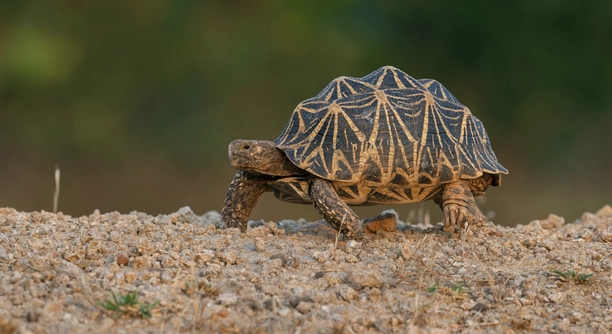
Transitioning your Indian Star Tortoise to a new diet is an important step in maintaining their health. Proper diet changes can enhance their well-being and make them more active.
The process of transitioning Indian Star Tortoises to a new diet requires careful, gradual changes to avoid digestive issues. It involves introducing new foods in small amounts while maintaining a balanced diet to support their natural growth and energy levels.
By following a few simple steps, you can ensure the diet change is both safe and effective for your tortoise’s health.
Step 1: Gradually Introduce New Foods
When transitioning your Indian Star Tortoise to a new diet, it’s crucial to introduce new foods slowly. Sudden changes can upset their digestive system, leading to stress or illness. Start by offering small amounts of the new food alongside their current diet. This allows them to adjust while still getting the nutrition they’re used to. Over time, you can increase the portion of the new food and decrease the old one. Monitoring their reaction is essential; if they show signs of discomfort or lack of interest, slow the transition and try again later. The goal is to keep their diet balanced throughout the process.
Start with a mix of the new and old foods. Make sure the new food is something safe and appropriate for your tortoise’s diet.
For example, leafy greens like dandelion greens, clover, and grass should be gradually swapped in for their previous diet. Some tortoises may be more finicky and resist change, but patience is key. Observe their eating habits, and try offering the new food at different times of the day. If they’re eating it, that’s a positive sign.
Step 2: Monitor Their Health
Make sure to watch your tortoise closely during this transition. This is a time for observation and monitoring their overall health.
It’s important to track your tortoise’s behavior and digestion during the switch. If they start to show signs of stress or seem to be eating less, adjust the plan accordingly. A gradual approach allows you to avoid issues like bloating or lack of appetite. If any concerning symptoms appear, it’s best to consult with a vet for guidance.
Step 3: Offer a Variety of Vegetables and Greens
Variety is key in providing a balanced diet. Offering different types of vegetables and leafy greens ensures your tortoise gets a range of nutrients.
Try mixing kale, collard greens, and dandelion greens. These can help introduce a wider array of vitamins and minerals that support their immune system. You can also offer some herbs like basil and parsley for a fresh change of taste. Make sure to chop or tear the greens into manageable pieces. This makes them easier for your tortoise to eat and digest. Avoid feeding them too much of any one food to keep the diet diverse.
Remember, some vegetables like carrots and bell peppers should be given in moderation. Too much of these can cause digestive issues. A good mix of leafy greens should be the staple of their diet, with occasional fruits or vegetables as treats.
Step 4: Avoid Overfeeding
Overfeeding can lead to weight gain and other health issues. It’s easy to get carried away, but proper portion control is important.
Your tortoise’s size and age determine how much food they need. Offer enough to satisfy them without overloading the feeding area. Stick to a consistent feeding schedule. Keep an eye on their body condition. If they start to gain too much weight, reduce the food intake slightly. It’s important to remember that the tortoise will eat as much as they need, so you don’t want to leave excessive amounts of food around. This could lead to overeating and waste. A balanced approach is always best.
Step 5: Incorporate Safe Fruits Occasionally
Fruits can be a tasty treat for your tortoise but should be fed sparingly. Too much fruit can upset their digestive balance.
Fruits like strawberries, papaya, and melon are good options. However, they contain sugar, so only offer them in moderation. Avoid high-sugar fruits like bananas or grapes.
Step 6: Focus on Hydration
Hydration is just as important as diet. Always ensure your tortoise has access to clean, fresh water.
Keep a shallow dish of water in their enclosure and change it daily. You can also offer soaked greens or fruits with high water content to help with hydration. If your tortoise isn’t drinking enough water, try misting their enclosure to encourage them to drink. Proper hydration helps digestion and keeps your tortoise healthy overall.
FAQ
How do I know if my tortoise is adjusting well to the new diet?
If your tortoise is eating regularly, staying active, and not showing signs of digestive issues like bloating or loose stools, they’re likely adjusting well. You should also see them exploring their environment, as a healthy tortoise will be curious. If they seem lethargic, avoid eating, or show any drastic behavioral changes, the diet might need to be altered.
Can I feed my tortoise a fully vegetarian diet?
Yes, Indian Star Tortoises are primarily herbivores, so a vegetarian diet is not only acceptable but ideal. Focus on offering a variety of leafy greens, safe vegetables, and occasional fruits. Ensure the diet is well-balanced with the proper calcium-to-phosphorus ratio for optimal shell growth and health.
Should I add supplements to my tortoise’s diet?
Supplementing the diet with calcium and vitamin D3 is often necessary to prevent shell deformities and other health issues. You can sprinkle calcium powder on the food once or twice a week, but over-supplementing can lead to other issues. Always consult with a veterinarian if you’re unsure about the exact supplement needs.
How much should I feed my tortoise?
The amount you feed depends on the tortoise’s size, age, and activity level. Generally, adult Indian Star Tortoises require about 1-2 cups of food per day. Younger tortoises may need more frequent feeding. Offer enough food to satisfy them but avoid overfeeding, as it can lead to obesity and health problems.
Can my tortoise eat flowers?
Yes, many flowers are safe for Indian Star Tortoises. Flowers like hibiscus, dandelions, and nasturtiums are great options. However, ensure the flowers haven’t been sprayed with pesticides or chemicals. Always verify that the flowers are safe for tortoises, as some flowers can be toxic.
Can I feed my tortoise lettuce?
Lettuce can be offered occasionally but should not be the main part of their diet. Avoid iceberg lettuce as it has very little nutritional value and can cause diarrhea. Instead, opt for darker, leafy lettuce varieties like Romaine, which are richer in vitamins and minerals.
Is it okay to feed my tortoise the same food every day?
While consistency is important, variety is key for a healthy diet. Offering the same food every day can lead to nutritional imbalances. Mix different types of greens and vegetables to ensure your tortoise receives a broad range of vitamins and minerals. Rotate between safe food options regularly.
Can my tortoise eat weeds from my yard?
Yes, weeds can be a good addition to their diet, but only if you’re sure they’re not contaminated with pesticides or chemicals. Weeds like clover, dandelions, and plantain are safe and provide valuable nutrients. Always double-check the plants to ensure they’re safe for consumption.
What should I do if my tortoise refuses to eat the new food?
If your tortoise refuses the new food, don’t worry right away. Try offering it in smaller pieces or mixing it with their favorite food. You can also try offering food at different times of the day. Sometimes, a tortoise needs time to adjust to a new flavor or texture.
How can I make my tortoise’s food more appealing?
To make their food more appealing, you can lightly mist the greens with water to make them more enticing. Adding a small amount of natural herbs like basil or parsley can also stimulate their appetite. Try different textures or chopping the food into smaller, easier-to-eat pieces.
Is it necessary to feed my tortoise fruits?
No, fruits aren’t necessary for their diet but can be offered occasionally as a treat. Fruits should only make up a small portion of their diet since they contain high amounts of sugar, which could lead to obesity or digestive issues if given in excess.
What foods should I avoid feeding my tortoise?
There are several foods you should avoid, including rhubarb, avocado, and any plant that is toxic to tortoises. Never feed them processed human foods, as these contain additives that could harm them. Additionally, avoid feeding your tortoise foods high in oxalates, such as spinach, as it can hinder calcium absorption.
Can I feed my tortoise cooked vegetables?
It’s best to stick to raw vegetables for your tortoise, as cooking can reduce the nutritional value. Raw vegetables are easier for them to digest and absorb. However, some tortoises may accept steamed vegetables occasionally, but avoid offering them cooked foods too often.
Do I need to change my tortoise’s diet based on the season?
Yes, the availability of fresh foods may change with the seasons. In colder months, fresh greens may be harder to find, so you might need to rely on store-bought options like hay. During warmer months, a variety of fresh, local greens and vegetables can be offered.
Final Thoughts
Transitioning your Indian Star Tortoise to a new diet can be a smooth process if done gradually and with care. It’s important to introduce new foods slowly to avoid digestive upset. Starting with small portions of the new food mixed with their current diet gives them time to adjust. Monitoring their response to the change will help you make necessary adjustments along the way. Remember, patience is key, as it may take a little time for your tortoise to get used to the new foods. Each tortoise is unique, so be flexible in your approach and observe how they react to different changes.
A well-balanced diet is essential for the health of your tortoise. Offering a variety of leafy greens, vegetables, and occasional fruits ensures they are receiving the necessary nutrients. This helps with their overall well-being and supports proper growth and shell development. The right foods will also keep them active and energized. If you notice any signs of stress or digestive issues, it’s important to adjust their diet accordingly. A healthy tortoise will show curiosity, activity, and a healthy appetite, so these are good signs to look for when evaluating how well they are adapting to their new food routine.
Consistency and careful observation are important throughout this process. As you provide different types of food, ensure that hydration is also prioritized, as water is essential to their digestion and overall health. It’s best to feed your tortoise in a controlled environment where you can easily monitor their food intake and make sure they’re eating a variety of safe foods. If at any point you feel uncertain about any aspect of your tortoise’s diet or health, consulting a vet is always a good idea. With the right care and a balanced diet, your Indian Star Tortoise can thrive and remain healthy for years to come.

Hello,
If you enjoy the content that we create, please consider saying a "Thank You!" by leaving a tip.
Every little bit helps us continue crafting quality advice that supports the health, happiness, and well-being of pets around the world, for pets of all shapes, sizes, and species.
We really appreciate the kindness and support that you show us!