
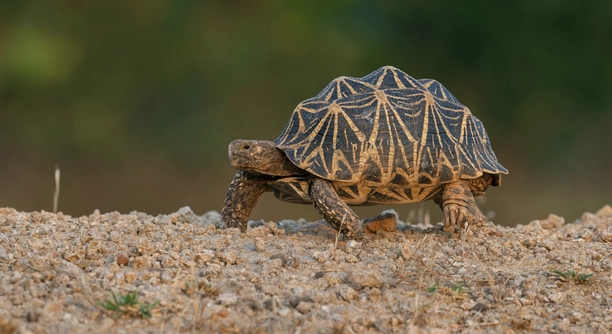
Indian Star Tortoises are fascinating creatures with distinct behaviors. These reptiles, native to India and Sri Lanka, have captured the interest of many due to their unique traits and ways of interacting with their environment.
Indian Star Tortoises display specific behaviors related to their feeding, socializing, and movement patterns. These behaviors are influenced by their natural habitat, instincts, and environmental factors. Understanding these behaviors provides insight into their overall well-being and survival strategies.
Their behaviors can offer valuable insights into their natural world. Let’s explore some of the most interesting aspects of their daily activities and interactions.
1. Feeding Habits and Diet Preferences
Indian Star Tortoises have a varied diet that includes a mix of grasses, fruits, and leafy vegetables. Their feeding behavior is largely shaped by their natural environment, where they forage for food. They are herbivores, with a preference for plants that are rich in fiber. In the wild, these tortoises may consume a wide range of plants, but in captivity, their diet should be controlled to ensure they get the necessary nutrients. Overfeeding or providing the wrong type of food can lead to health problems such as obesity.
Their feeding habits are essential to their survival, as they depend on vegetation to maintain their energy levels. A healthy diet also contributes to their growth and shell development. When they are fed a balanced diet, Indian Star Tortoises are more active and exhibit better overall health.
Maintaining a varied diet is key. In the wild, their diet consists mostly of grass and some fruits and flowers. When housed in captivity, they need a balanced mix to keep their digestive systems functioning well. A healthy tortoise is one that receives the proper nutrients from its meals.
2. Social Behavior and Interactions
Indian Star Tortoises tend to be solitary animals in the wild. They do not engage in complex social structures or relationships like some other animal species. However, in captivity, they may tolerate other tortoises, especially when there is enough space for each to claim its territory.
While they are not overly social, they do engage in occasional interactions with other tortoises. These interactions can include mild aggression or dominance displays, especially during mating seasons or when food is involved. Understanding these subtle signals can help keep their environment peaceful.
It is important to observe their behavior closely to avoid unnecessary conflicts. If housed with other tortoises, space should be provided for them to retreat if they feel threatened. Territoriality can lead to fights if their living space is too small or if there is competition for resources. Therefore, their social behavior requires careful attention to ensure their safety and well-being.
3. Activity and Movement Patterns
Indian Star Tortoises are not known for being very fast movers, but they are active and enjoy exploring their environment. Their movements are slow and steady, as they prefer to move at their own pace. They tend to walk around in search of food and basking spots.
In their natural habitat, they travel across wide areas in search of food, water, and suitable places for nesting. This activity helps them maintain their health and natural behaviors. When housed in captivity, providing them with space to roam can contribute to their mental and physical well-being.
While not overly energetic, Indian Star Tortoises do require space to satisfy their instincts. A large enclosure allows them to display natural behaviors such as walking, foraging, and basking. Limited space can cause stress and inactivity, which may lead to health issues like shell deformities or lack of appetite.
4. Shell Behavior and Protection
The shell of an Indian Star Tortoise plays a crucial role in its survival. It acts as a protective shield against predators and harsh environmental conditions. These tortoises retreat into their shells when they sense danger or feel threatened.
Their shells are not only physical protection but also an important part of their behavior. They will withdraw completely inside when disturbed. The movement is slow and deliberate, indicating a preference for safety over confrontation. The harder the shell, the more confident the tortoise seems when retreating.
This instinct to retreat into their shell can also be observed when they feel stressed, such as in unfamiliar environments or when encountering aggressive behaviors from other tortoises. The shell provides them with a sense of security. Ensuring they feel safe can reduce this reaction and promote a more relaxed environment for them.
5. Breeding and Mating Behavior
Indian Star Tortoises follow a specific mating ritual. The male often tries to impress the female by engaging in behaviors such as head-bobbing and circling. Mating typically occurs during the rainy season when the conditions are more favorable.
Once the female is receptive, the male approaches her, and the mating process begins. Males can be persistent, and sometimes their behavior may appear aggressive, as they attempt to assert dominance over the female. These interactions are natural and part of their breeding cycle.
Breeding behavior in captivity can be affected by various factors, such as enclosure size and diet. Proper conditions encourage healthy mating, leading to successful reproduction. This includes providing adequate space, proper lighting, and maintaining appropriate temperatures.
6. Temperature and Environmental Sensitivity
Indian Star Tortoises are highly sensitive to temperature changes. They thrive in warm environments, with a temperature range between 80 to 90°F being ideal for their activity. Exposure to extreme cold or heat can cause stress and health problems.
They depend on both sun and shade to regulate their body temperature. A consistent, controlled temperature helps them maintain optimal digestion and activity levels. A lack of warmth can slow their metabolism, leading to reduced appetite and lethargy.
Proper temperature management is crucial in captive settings. Using heat lamps and providing shaded areas in enclosures helps maintain a healthy balance. Regular monitoring ensures the tortoises remain comfortable and active. Providing these conditions reduces the chances of temperature-related health issues.
7. Resting and Sleeping Patterns
Indian Star Tortoises are known for their long periods of rest. They are most active during the day, but they often take breaks to sleep or rest in shaded areas. These tortoises sleep for several hours during the day and night.
Their resting patterns are influenced by the temperature and availability of food. During hotter parts of the day, they may retreat into the shade or under shelter to escape the heat and conserve energy. In cooler times, they are more likely to be active.
Sleeping habits are essential for maintaining their energy levels. Proper sleep ensures they remain healthy, as it gives their bodies time to digest food and restore strength. This behavior is vital for their overall well-being and longevity in both wild and captive environments.
FAQ
What do Indian Star Tortoises eat in the wild?
Indian Star Tortoises primarily feed on grasses, herbs, and leaves in the wild. They also enjoy fruits, flowers, and some cacti. Their diet is mainly plant-based, and they rely on a variety of vegetation to maintain their health and energy levels. They forage throughout the day to find food.
How much space do Indian Star Tortoises need?
These tortoises need a spacious environment to roam, especially in captivity. A minimum of 4×6 feet is recommended for one tortoise, though more space is always better. This allows them to move freely, forage, and maintain natural behaviors. Smaller enclosures can cause stress and hinder their activity.
Do Indian Star Tortoises need to drink water?
Yes, they need access to fresh water at all times. While they get some moisture from the plants they eat, they should still be provided with a shallow water dish for drinking and soaking. Regular hydration is essential for their health and digestion.
Can Indian Star Tortoises live with other animals?
Indian Star Tortoises are solitary creatures by nature, and they tend to prefer their own space. If housed with other tortoises or animals, it is crucial to ensure there is enough space and separate feeding areas to prevent territorial disputes. Aggression can occur if resources are limited or space is cramped.
Are Indian Star Tortoises active at night?
No, Indian Star Tortoises are diurnal, meaning they are active during the day and sleep at night. They spend their daylight hours foraging, basking, and exploring their surroundings. Nighttime is used for rest, and they typically sleep for several hours to recharge for the next day.
How can I tell if my Indian Star Tortoise is stressed?
Signs of stress in an Indian Star Tortoise include refusal to eat, lethargy, excessive hiding, or aggressive behavior. A stressed tortoise may also retreat into its shell more frequently. Environmental factors such as improper temperature, overcrowding, or inadequate diet can contribute to stress.
Do Indian Star Tortoises require special lighting?
Yes, proper lighting is important for their health. They need UVB light to synthesize vitamin D3, which helps them absorb calcium and maintain a healthy shell. Without UVB exposure, they can develop metabolic bone disease. A combination of UVB lighting and heat lamps is recommended to simulate their natural environment.
How long do Indian Star Tortoises live?
Indian Star Tortoises are long-lived creatures, with a lifespan ranging from 30 to 50 years or more. In captivity, with proper care, they can live even longer. Ensuring they have a balanced diet, proper temperature, and sufficient space is key to their longevity.
What is the best diet for Indian Star Tortoises in captivity?
A healthy diet for an Indian Star Tortoise should consist primarily of grasses, leafy greens, and some fruits. Vegetables like dandelion greens, collard greens, and clover are good choices. It’s essential to avoid feeding them too much fruit or high-protein foods, as this can cause health problems.
How can I keep my Indian Star Tortoise healthy in captivity?
To keep your Indian Star Tortoise healthy, ensure it has a spacious, well-maintained enclosure with the right temperature, humidity, and lighting. Provide a balanced diet rich in fiber, monitor its hydration levels, and make sure it has opportunities to bask. Regular health check-ups are also recommended.
Are Indian Star Tortoises endangered?
Yes, Indian Star Tortoises are classified as vulnerable due to habitat loss, poaching, and the pet trade. Conservation efforts are being made to protect them in their native habitats. It is important not to buy wild-caught tortoises and to support ethical breeding programs that prioritize the species’ welfare.
How do I care for a baby Indian Star Tortoise?
Baby Indian Star Tortoises require careful care, particularly in terms of temperature and diet. They need a warm, humid environment with access to UVB lighting. Their diet should consist of soft, tender greens, and they should be monitored for any signs of dehydration or health issues.
Do Indian Star Tortoises need a companion?
While Indian Star Tortoises are not social animals and do not require companions, some owners choose to house multiple tortoises together. If you do house more than one tortoise, be sure there is enough space to avoid territorial disputes. Each tortoise should have its own space and feeding area.
What temperature should I keep my Indian Star Tortoise at?
Indian Star Tortoises require a warm environment. The daytime temperature should range from 80 to 90°F, with a basking spot reaching 95°F. At night, temperatures can drop slightly but should remain above 70°F. This helps them regulate their metabolism and remain active.
Can Indian Star Tortoises swim?
Indian Star Tortoises are not natural swimmers and prefer to stay on land. While they may occasionally soak in water to hydrate, they should not be placed in deep water where they cannot touch the bottom. Providing shallow water for soaking is sufficient for their needs.
What is the best substrate for an Indian Star Tortoise enclosure?
The best substrate for an Indian Star Tortoise is one that is easy to clean, retains humidity, and is safe for the tortoise to walk on. Options include coconut coir, cypress mulch, or a mix of soil and sand. Avoid using gravel or wood chips, as these can cause injury or digestive issues.
How can I tell if my Indian Star Tortoise is healthy?
A healthy Indian Star Tortoise will have clear, bright eyes, a firm shell with no cracks, and a steady appetite. It will be active during the day and have a smooth, evenly shaped shell. Any signs of lethargy, shell deformities, or loss of appetite should be addressed by a vet.
Can Indian Star Tortoises be kept outside?
Yes, Indian Star Tortoises can be kept outside in warm climates, provided there is a secure, escape-proof enclosure. The enclosure should offer both shaded and sunny areas for basking and cooling down. Always ensure the environment is free from predators and that temperatures remain within their ideal range.
Taking care of an Indian Star Tortoise can be a rewarding experience, but it requires careful attention to their needs. These creatures are unique in their behaviors and have specific environmental and dietary requirements. By providing them with the right temperature, space, and food, you can help ensure they stay healthy and active. It’s important to create an environment that mimics their natural habitat as closely as possible, which includes offering plenty of space for them to roam and opportunities for basking in the warmth.
Their slow-moving nature and solitary habits make them fascinating pets to observe. While they may not be overly social, they do have distinct patterns of behavior that can be intriguing. Indian Star Tortoises are not demanding in terms of interaction, but they do need a space where they can feel safe and comfortable. Keeping an eye on their health and well-being is essential, and regular checks will help prevent any potential issues from going unnoticed. Providing a proper diet of fiber-rich plants and adequate hydration is just as important as maintaining the right environment.
While the Indian Star Tortoise is a beautiful and low-maintenance pet, they do have long lifespans and require a commitment to their care. If you plan to have one as a pet, be prepared to invest time and resources in creating an ideal habitat for them. They are a protected species, so always make sure that any tortoise you acquire comes from a responsible breeder. By learning more about their behavior and taking the necessary steps to meet their needs, you can enjoy having this fascinating animal in your life for many years.

Hello,
If you enjoy the content that we create, please consider saying a "Thank You!" by leaving a tip.
Every little bit helps us continue crafting quality advice that supports the health, happiness, and well-being of pets around the world, for pets of all shapes, sizes, and species.
We really appreciate the kindness and support that you show us!