
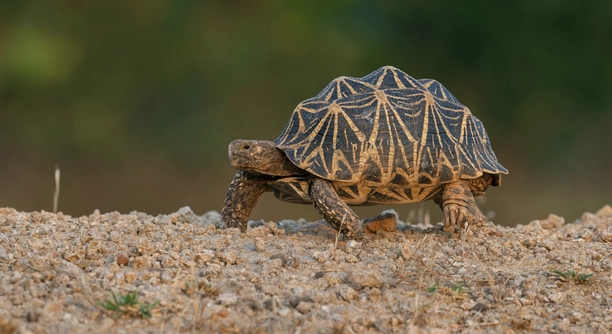
Indian Star Tortoises can be a joy to care for, but if one of them keeps biting its tank mates, it can be concerning. This behavior can be puzzling and may leave you wondering how to help them get along better.
The main reason your Indian Star Tortoise may bite its tank mates is territorial behavior or stress. Tortoises are naturally solitary animals, and sharing space with others can cause them to feel threatened, leading to aggressive actions.
Understanding why this happens will help you improve their living conditions and prevent future conflicts. Proper care and tank management are key to ensuring peaceful coexistence among your tortoises.
Reasons for Aggression in Tortoises
Tortoises may bite their tank mates due to several factors, most of which are rooted in their natural instincts. Territoriality is one of the biggest reasons. Tortoises are solitary creatures in the wild, and they often do not appreciate sharing their space with others. When placed together in a confined area, they might display aggression to protect their personal territory. This behavior is especially common if there are limited hiding spots or if the tortoises feel they are competing for food or basking spots. Additionally, stress from environmental factors such as inadequate temperature, humidity, or lighting can trigger biting. If your tortoise feels uncomfortable or threatened, it may resort to aggression as a coping mechanism.
The size of the tank also plays a role in how well tortoises get along. If the enclosure is too small, they will have less room to establish their own space, leading to frequent clashes.
A larger, well-planned tank with enough hiding spots and proper conditions can help reduce these aggressive tendencies. Ensuring a proper environment reduces stress and allows your tortoises to live more peacefully together.
How to Manage Aggression
Managing aggression in tortoises is essential for their well-being and safety. First, make sure each tortoise has enough space to roam. A larger tank allows them to move freely and establish their territory. Along with enough room, provide separate areas for basking, eating, and hiding. This prevents competition and reduces stress. Additionally, ensure the tank’s temperature and humidity are optimal for all the tortoises. A comfortable environment helps lower the chances of aggression.
Another useful tactic is to monitor their interactions closely. If one tortoise becomes overly aggressive, it might be necessary to separate them temporarily until they can coexist peacefully. Watch for signs of bullying, such as chasing or biting, and take action before injuries occur.
Tortoises often react to their environment, and keeping their living space as stress-free as possible will lead to fewer conflicts. They will have a better chance of getting along, and you’ll avoid worrying about injuries.
Importance of a Properly Sized Tank
A properly sized tank is essential for preventing aggressive behavior in tortoises. If they feel cramped, they are more likely to act out to claim space. It’s recommended to have at least 40 gallons of space per tortoise. This gives them enough room to move freely and reduces territorial disputes.
Having more space allows the tortoises to create their own zones for basking and eating, which minimizes competition. When there is enough room, tortoises can avoid direct contact and avoid triggering aggression. This also helps reduce stress, as each tortoise feels secure in its own space. Larger tanks are especially important when housing multiple tortoises together. In cramped environments, stress levels rise quickly, leading to more biting and aggression. Overcrowding should always be avoided.
With ample space, tortoises are more likely to peacefully coexist. The extra room helps promote natural behavior, keeping the animals happier and less likely to display signs of aggression.
Handling Tank Mates of Different Sizes
If you have tortoises of different sizes in the same tank, be mindful of potential aggression. Larger tortoises may intimidate or even harm smaller ones. The size difference can lead to bullying, especially during feeding time or when vying for space. In this case, it is helpful to house the tortoises separately or ensure that there is enough space for both to feel safe.
Sometimes, smaller tortoises can also become aggressive toward larger ones if they feel threatened. Each tortoise has its own temperament, and some may not handle the presence of others well, regardless of size. It’s crucial to closely observe how they interact. If one shows signs of stress or constant aggression, separate them to prevent injury.
When mixing tortoises of different sizes, careful planning and attention to their behavior are necessary. Keep a close eye on them and provide enough space so no tortoise feels threatened.
Stress and Overcrowding
Overcrowding can significantly increase stress in tortoises. When there are too many tortoises in a tank, it creates competition for space, food, and hiding spots. This can lead to increased aggression and territorial behavior. Providing enough space for each tortoise helps reduce stress and encourages peaceful interactions.
Stress from overcrowding can cause health issues as well. Tortoises under constant stress may become more vulnerable to illness and injury. By preventing overcrowding, you also promote the overall health and well-being of your tortoises. Reducing stress allows them to feel secure and be more active.
Diet and Feeding
Diet plays a major role in tortoise behavior. If food is scarce or unevenly distributed, tortoises may become aggressive toward one another. Providing enough food and placing it in different areas of the tank reduces the chances of one tortoise dominating the others. Additionally, make sure the diet is balanced for their nutritional needs.
If there’s competition during feeding time, it can quickly escalate into biting or fighting. It’s essential to monitor their behavior and ensure that each tortoise has access to food. Offering a variety of food items also helps reduce disputes by keeping them distracted with a range of flavors and textures.
Temperature and Humidity Levels
Maintaining proper temperature and humidity levels is crucial for tortoises. If the environment is too hot, too cold, or too dry, the tortoises may become irritable and stressed. This can cause them to become more aggressive toward tank mates. It’s important to regularly check and adjust these factors.
An optimal environment not only ensures the health of your tortoises but also helps them feel calm. Proper temperature regulation encourages natural behaviors and decreases the chances of stress-induced aggression. Regularly monitor the humidity levels as well, ensuring they are consistent and within the right range for your species.
FAQ
Why does my Indian Star Tortoise bite its tank mates?
Your tortoise may bite its tank mates due to territorial behavior, stress, or overcrowding. Tortoises are solitary animals by nature, and when they feel their space is being threatened, they may react aggressively. Limited space in a tank can lead to competition for resources like food and basking spots. Additionally, environmental stressors such as improper temperature, humidity, or lighting can also contribute to aggression. Providing a larger, well-equipped tank with adequate resources and monitoring their behavior closely can help reduce biting.
Can I keep multiple Indian Star Tortoises together?
Yes, but only if you have a large enough tank and monitor their interactions. Indian Star Tortoises can live together, but they require ample space to avoid territorial disputes. A 40-gallon tank per tortoise is recommended to ensure they each have enough room to establish their own territories. Even with enough space, some tortoises may still show signs of aggression, so it’s important to keep an eye on them for any signs of stress or bullying. If aggression persists, consider separating them to avoid injuries.
What size tank do I need for an Indian Star Tortoise?
A single Indian Star Tortoise requires a tank of at least 40 gallons. However, if you plan to house more than one, you’ll need a larger tank, ideally 80 gallons or more, depending on the number of tortoises. This size ensures there is enough space for them to roam and establish their own territories, reducing stress and the chance of aggression. Remember to provide hiding spots, basking areas, and separate food and water stations for each tortoise to minimize conflicts.
How can I reduce aggression between my tortoises?
The best way to reduce aggression is by providing ample space in the tank. A large tank allows tortoises to establish their own territories. Ensure there are multiple hiding spots, basking areas, and feeding stations so that each tortoise has access to resources without needing to compete. Additionally, maintaining optimal environmental conditions, such as the right temperature, humidity, and lighting, will help reduce stress. If aggression continues, consider separating them temporarily and reintroducing them once they have adjusted to the changes.
Is it normal for my tortoise to bite?
Biting is a natural behavior in tortoises, especially when they feel threatened or stressed. It’s important to distinguish between playful biting and aggressive biting. While occasional nipping or biting may occur as part of their normal interactions, consistent or intense biting usually indicates an issue such as stress, territorial disputes, or overcrowding. If biting becomes frequent or aggressive, it’s crucial to assess their environment and make adjustments to reduce stress and improve their living conditions.
How can I tell if my tortoise is stressed?
Signs of stress in a tortoise can include erratic behavior, frequent hiding, loss of appetite, or aggression toward tank mates. If your tortoise is constantly trying to escape the tank or appears lethargic, it could be a sign of stress. Other indicators include excessive biting or rubbing against tank walls. Ensure that the temperature, humidity, and lighting are appropriate for your tortoise’s species. Also, check for any overcrowding or territorial issues. Stress can also result from a lack of hiding spots or too much noise in the environment.
What should I do if my tortoise gets injured from biting?
If your tortoise has been injured from biting, it’s important to assess the wound carefully. Clean the area with warm water and apply a mild antiseptic. If the injury is severe or if there is bleeding, seek veterinary care immediately. Bites can lead to infections, so prompt treatment is essential. It’s also a good idea to separate the injured tortoise from the others until it heals. This will allow it to recover without further stress or risk of being bitten again.
Can tortoises get along with other species?
Indian Star Tortoises may not always get along with other species, especially in confined spaces. Their territorial nature and specific environmental needs can make cohabitation difficult. While some species may tolerate each other in larger tanks, it’s often safer to house them separately to prevent aggression. If you wish to house different species together, make sure each species has its own designated areas for food, basking, and hiding. Be sure to research the compatibility of different species before placing them in the same tank.
How do I know if my tortoise is healthy?
A healthy tortoise is active, alert, and has a good appetite. Its shell should be smooth and free of any cracks, lesions, or soft spots. You should also check for clear, bright eyes and healthy, firm limbs. If your tortoise appears lethargic, has difficulty moving, or shows signs of respiratory distress such as wheezing, this could indicate a health issue. Regularly check your tortoise’s weight and shell condition. If you notice any changes in behavior, appetite, or physical appearance, it’s important to consult a vet.
How do I properly introduce new tortoises to each other?
When introducing new tortoises to each other, do so gradually. Start by allowing them to observe each other in separate enclosures before placing them together. This helps them get used to each other’s presence without direct interaction. When you do introduce them, monitor their behavior closely. If either tortoise shows signs of aggression, separate them immediately. You may need to create separate spaces in the tank, with plenty of food and hiding spots, to allow the tortoises to coexist peacefully. Be patient, as it may take some time for them to adjust to each other.
Final Thoughts
When it comes to your Indian Star Tortoise, understanding the reasons behind its biting behavior is essential. Tortoises are naturally solitary animals, and when housed together in a tank, they can become territorial. This territoriality, along with factors like overcrowding, stress, and environmental issues, can lead to aggressive behavior. Observing your tortoises closely and adjusting their environment to reduce stress will go a long way in promoting peaceful coexistence. Giving them enough space, proper temperature, and enough food and hiding spots can make a significant difference in their behavior.
In some cases, despite your best efforts, the tortoises may still show aggression. This is especially true if you are housing tortoises with different sizes or temperaments. Monitoring their interactions is key. If aggression continues, separating them might be the best solution to avoid injury. With proper care, though, your tortoises can live together peacefully. The goal is to create an environment where they feel comfortable and secure, reducing the need for aggressive behavior. Sometimes, this involves trial and error as you adjust their tank setup or reintroduce them after giving them some time apart.
Remember that each tortoise is unique, and what works for one may not work for another. Patience is crucial when working with these reptiles, as they can take time to adjust to new living situations. Keeping a close eye on their health and behavior will ensure that any problems are caught early. With the right care and environment, your tortoises can live happily, minimizing stress and preventing aggressive behavior. The key is making sure that their needs—both physical and behavioral—are being met.

Hello,
If you enjoy the content that we create, please consider saying a "Thank You!" by leaving a tip.
Every little bit helps us continue crafting quality advice that supports the health, happiness, and well-being of pets around the world, for pets of all shapes, sizes, and species.
We really appreciate the kindness and support that you show us!