
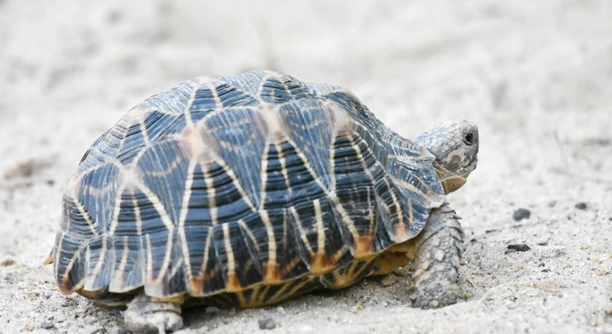
Indian star tortoises are unique and fascinating pets that require specific care to thrive. However, overfeeding can lead to various health problems. Knowing how to prevent this issue is essential for their long-term well-being.
To avoid overfeeding your Indian star tortoise, it’s important to provide the right amount of food and maintain a proper feeding schedule. Too much food can lead to obesity and other related health issues. Proper portion control and monitoring are key.
Understanding the signs of overfeeding and how to manage their diet effectively will keep your tortoise healthy and happy. Keep reading to learn some practical tips to ensure your pet gets the right nutrition.
1. Understand Your Tortoise’s Diet Needs
Indian star tortoises are herbivores, meaning they primarily eat plants. Their diet should consist of a variety of leafy greens, grasses, and some fruits. However, overfeeding them, especially with high-calcium or sugary foods, can cause problems. Too much of these can lead to obesity and poor shell growth. It’s vital to maintain a balanced diet and avoid feeding them excessive amounts of any one type of food.
Make sure to offer different greens like dandelion, collard greens, or clover. Variety ensures your tortoise gets all the nutrients it needs without overindulging in anything too rich or high in calories. Some fruits can be given occasionally but should never be the main food source.
By learning about your tortoise’s dietary needs, you’ll be able to prevent them from overeating. Proper nutrition is key to their growth and longevity. Take your time to research what works best and stick to a healthy feeding routine.
2. Portion Control is Crucial
Proper portion control can make a huge difference in keeping your tortoise healthy. Feeding them the right amounts at each meal helps prevent overfeeding and ensures they aren’t left hungry or full.
One way to manage portions is by measuring food. Give only what your tortoise can eat in a 15 to 20-minute period. Leftovers should be removed to avoid them eating too much later. It’s easy to overestimate how much food your tortoise needs, so stick to smaller portions and gradually adjust based on their growth and behavior.
Another tip is to feed your tortoise regularly. A good feeding schedule helps control intake. You’ll notice a difference in their activity level and overall health once you stick to a routine.
3. Monitor Their Weight Regularly
Monitoring your tortoise’s weight is a good way to track whether they are being overfed. Weighing them at regular intervals can help you notice any rapid weight gain. This allows you to make changes to their diet or feeding routine before health problems arise.
A sudden increase in weight may indicate you’re offering too much food or that your tortoise isn’t getting enough exercise. If they gain weight too quickly, consider reducing food portions and increasing activity levels. Healthy tortoises should have a steady, slow weight increase rather than quick, excessive growth.
Keeping track of their weight is one of the easiest ways to spot early signs of overfeeding. When in doubt, always opt for less food rather than more. A well-managed diet will help keep your tortoise in the best condition possible.
4. Avoid High-Calcium and High-Protein Foods
While calcium and protein are essential, too much of either can harm your tortoise. Overfeeding these nutrients can lead to shell deformities or kidney issues. Avoid feeding them foods that are too rich in these substances, such as high-protein insects or calcium-rich supplements.
Focus on providing a balanced mix of grasses and greens that offer the right amount of calcium naturally. For protein, stick to smaller quantities and avoid making it a frequent part of their meals. Too much protein can lead to kidney problems, while excessive calcium can cause shell issues and other health complications.
Balance is the key here. Research appropriate food types and quantities to ensure your tortoise receives proper nutrients without risking their health. Healthy tortoises need variety in their meals, but moderation is the key to avoid overfeeding.
5. Limit Fruits and Treats
Fruits and treats should only be given sparingly. They are often high in sugar and can contribute to weight gain if offered too often. Offering small portions of fruits once or twice a week is enough to keep your tortoise interested without overfeeding them.
When providing treats, stick to natural, healthy options like dandelion flowers or edible leaves. These can serve as a nutritious supplement to their regular meals. Avoid offering processed foods or anything with added sugar, as these can easily lead to an unhealthy diet.
A little variety goes a long way in keeping your tortoise happy while maintaining a balanced diet.
6. Provide Sufficient Exercise
Exercise is crucial for preventing overfeeding from leading to obesity. Allowing your tortoise to roam freely in a safe, enclosed area helps them stay active and burn off extra calories.
Regular exercise also promotes overall health by keeping their muscles strong and their digestion functioning well. A tortoise that isn’t active may not be using the energy from their food effectively, which can lead to overeating. You can encourage exercise by creating a stimulating environment for them with obstacles to climb over or tunnels to explore.
Maintaining an active lifestyle is essential to your tortoise’s physical health and well-being.
FAQ
How often should I feed my Indian star tortoise?
Feeding your Indian star tortoise 3-4 times a week is typically enough for adults. Young tortoises may need to be fed daily. The portions should be small enough to be eaten in 15-20 minutes. Adjust their feeding schedule based on their size and age to avoid overfeeding.
Can I feed my tortoise only one type of food?
It’s best to avoid feeding your tortoise just one type of food. Offering a variety of greens, grasses, and occasional fruits ensures they get all the nutrients they need. A lack of variety can lead to nutritional imbalances, making them prone to health problems.
How do I know if my tortoise is overweight?
Signs of an overweight tortoise include a visible bulging around the sides or an unusually large belly. If their shell appears deformed or their movements seem slower than usual, they may be carrying excess weight. Regular weighing can help you track their progress.
Can overfeeding harm my tortoise?
Yes, overfeeding can lead to obesity, which may cause issues like shell deformities, respiratory problems, and difficulty moving. Obesity also puts strain on their internal organs. Keeping track of their food intake and providing the right portions is key to preventing overfeeding.
What types of food should I avoid for my tortoise?
Avoid feeding your tortoise high-calcium supplements, high-protein foods like meat or insects, and sugary fruits. These can cause health issues like kidney damage or shell deformities. Stick to leafy greens, grasses, and a small amount of fruits as treats for a balanced diet.
Can I use calcium supplements for my tortoise?
Calcium supplements are useful in moderation but should not be overused. Most of their calcium needs can be met through a balanced diet with leafy greens. If you use a supplement, follow the recommended dosage and use it only when needed, as excess calcium can cause harm.
How much exercise does my tortoise need?
Your tortoise should have regular access to a safe, enclosed area where they can roam freely. Allow them time to explore for at least an hour each day. Exercise promotes healthy digestion, muscle development, and helps maintain an active metabolism.
Is it okay to feed my tortoise fruits every day?
Fruits should be given sparingly. Feeding them too often, especially sugary fruits, can lead to weight gain and imbalanced nutrition. A small amount of fruit once a week is enough. Stick mainly to greens, grasses, and edible plants for their regular meals.
What should I do if my tortoise refuses to eat?
If your tortoise isn’t eating, check for environmental factors like temperature or humidity. Ensure their habitat is warm enough (around 80°F for adults) and has proper lighting. Stress or illness could also be reasons for a lack of appetite, so if the problem persists, consult a vet.
How can I improve my tortoise’s digestion?
Providing a varied diet with plenty of fiber-rich foods like grasses and leafy greens is the best way to support healthy digestion. Ensure they have access to clean water and plenty of space to roam. Regular exercise also helps with digestion and overall health.
Can I overfeed my tortoise with leafy greens?
Leafy greens are usually safe for tortoises and should make up the majority of their diet. However, overfeeding them in large amounts daily, especially high-calcium greens like kale, can cause imbalances. Make sure to provide a variety of greens and monitor portion sizes.
How can I monitor my tortoise’s weight?
Weigh your tortoise regularly, ideally every few weeks, to track any changes in their weight. Use a kitchen scale or pet scale. If they’re gaining weight too quickly, reduce the portion sizes and check for other signs of overfeeding, such as lethargy or difficulty moving.
Can I feed my tortoise commercial tortoise food?
Commercial tortoise food can be used occasionally but should not be their main diet. It’s usually higher in protein and may not offer the necessary variety or nutrients that fresh, natural foods provide. Use it as a supplement and not a replacement for fresh greens and plants.
What is the best way to handle my tortoise’s food?
Always wash your tortoise’s food thoroughly to remove pesticides or dirt. Serve their food fresh, and avoid leaving it in their enclosure for too long to prevent contamination. Remove any leftover food to prevent spoilage and pests.
How do I create a healthy feeding routine?
Set a feeding schedule and stick to it. Offer food at the same times each day or week to establish a routine. This will help regulate their feeding habits and prevent overfeeding. Also, be consistent with portion sizes and the types of food you offer.
Is it safe to give my tortoise flowers?
Certain flowers are safe for tortoises, such as dandelions, hibiscus, and clover. Be sure to only offer flowers that are pesticide-free and safe for them to consume. Avoid flowers from garden stores unless you’re certain they’re free from harmful chemicals.
How can I tell if my tortoise is hungry or just overeating?
Hunger signs include increased activity and searching for food. If your tortoise is constantly eating and seems never satisfied, it could be a sign of overfeeding, especially if they aren’t burning off the extra calories. Observe their behavior and adjust their portions accordingly.
What are the risks of underfeeding my tortoise?
Underfeeding your tortoise can lead to malnutrition, stunted growth, weakened immune system, and even organ failure. They may also become lethargic or stop eating altogether. A balanced, well-measured diet is essential to keep your tortoise in good health and thriving.
Can I feed my tortoise vegetables like carrots and cucumbers?
Carrots and cucumbers can be given occasionally but should not make up the bulk of their diet. Carrots are high in sugar and should be limited. Cucumbers are mostly water and lack necessary nutrients, so offer them sparingly as a refreshing treat. Stick to more nutrient-dense greens.
Final Thoughts
Feeding your Indian star tortoise the right amount of food is key to their health and well-being. Overfeeding can lead to weight gain, shell deformities, and other health problems. It’s important to understand their dietary needs and to provide the proper amount of food, focusing on a variety of leafy greens and grasses. By monitoring your tortoise’s weight and making adjustments as needed, you can avoid many of the common issues related to overfeeding. Portion control is essential, and feeding smaller amounts at regular intervals is the best approach.
It’s easy to think that feeding your tortoise large portions will keep them healthy, but that’s not always the case. Tortoises are slow eaters and can easily overeat if food is left in their habitat for too long. A proper feeding schedule, along with careful attention to portion sizes, ensures that your tortoise gets enough food without being overfed. Including a mix of fresh, varied foods in their diet also helps them get all the nutrients they need without the risk of overindulgence. Additionally, make sure to provide your tortoise with a clean environment and ample space to roam and exercise. This will help them stay active and support a healthy metabolism, which is just as important as their diet.
Finally, understanding that tortoises are creatures of habit can help you stay on track with feeding. A consistent routine allows them to anticipate feeding times, and you’ll be able to notice any changes in their behavior or health more easily. Regular check-ups with a veterinarian can also help monitor their progress. With the right balance of food, exercise, and attention to their weight, your Indian star tortoise will live a long, healthy life. Taking care of your tortoise’s diet and well-being may take time and patience, but the rewards of seeing them thrive are well worth the effort.

Hello,
If you enjoy the content that we create, please consider saying a "Thank You!" by leaving a tip.
Every little bit helps us continue crafting quality advice that supports the health, happiness, and well-being of pets around the world, for pets of all shapes, sizes, and species.
We really appreciate the kindness and support that you show us!