
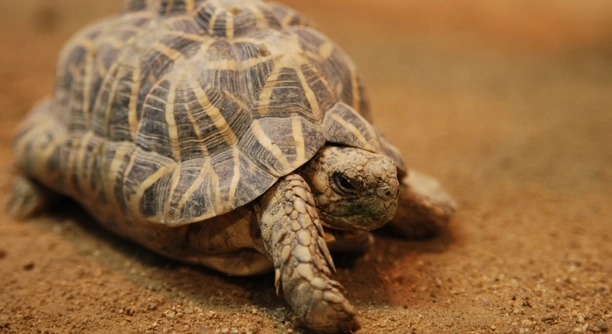
Indian star tortoises are popular pets known for their gentle nature and unique patterns. Like all pets, they require a balanced diet to thrive and stay healthy. Knowing what foods are safe and beneficial for them is essential.
Indian star tortoises can eat grapes in moderation, but they should not be a regular part of their diet. Grapes are high in sugar, which can lead to digestive issues and other health problems if overfed.
Understanding the right foods for your tortoise can prevent potential health risks and ensure a balanced diet.
Can Grapes Be Harmful to Indian Star Tortoises?
Grapes, though juicy and sweet, can be harmful to Indian star tortoises if fed too often. The high sugar content in grapes can lead to obesity, which can affect their overall health. Tortoises are not equipped to process sugar in large quantities, and too much can disrupt their digestive system. This can result in loose stools, dehydration, or even kidney problems. The acidity in grapes can also irritate their stomach, further complicating their health. When overfed, grapes may also cause an imbalance in their calcium-to-phosphorus ratio, which is essential for healthy bone development. Moderation is key, and it’s important to balance their diet with other fruits and vegetables that provide more nutritional value and fewer risks.
Feeding grapes sparingly is a good way to avoid health issues in tortoises. Instead, focus on offering them other fruits or vegetables that are more suitable for their dietary needs.
Overall, while grapes are not toxic to tortoises, they should not be a regular part of their diet. A variety of leafy greens, grasses, and safe fruits like apples or melons offer a healthier option. It’s always best to offer small portions of grapes, if at all, and to monitor your tortoise’s health closely for any signs of discomfort or digestive issues. Additionally, always wash fruits to remove pesticides or chemicals that may harm your pet. The goal is to provide a balanced diet that supports their long-term well-being without risking their health from sugary treats like grapes.
Benefits of Offering Other Fruits and Vegetables
Offering a range of fruits and vegetables can provide your tortoise with much-needed nutrients. These foods can offer a variety of vitamins and minerals that help maintain healthy bones and skin.
A balanced diet that includes safe fruits and vegetables ensures your tortoise receives the vitamins and minerals necessary for good health. For example, dark leafy greens like collard greens or dandelion greens provide essential calcium, while other fruits like strawberries offer antioxidants. The right foods can help support your tortoise’s immune system and maintain a healthy weight. Furthermore, these foods often contain less sugar than grapes, reducing the risk of digestive problems and obesity. Rotate foods regularly to prevent monotony in their diet and to ensure they get a broad spectrum of nutrients. By focusing on healthier options, you can help your Indian star tortoise thrive without the added concerns that come with feeding sugary fruits like grapes.
Grapes and Their Sugar Content
The sugar in grapes is a major concern for tortoises. Too much sugar can cause serious health problems, including obesity, digestive issues, and kidney stress. Their natural diet consists of plants with minimal sugar, so adding sweet fruits like grapes can upset their balance. It’s important to limit the sugar intake from fruits and ensure that their diet is rich in fiber and low in sugary treats.
Feeding too many grapes can lead to weight gain in tortoises, which can be difficult to reverse. When tortoises become overweight, it puts unnecessary pressure on their bones and joints. Over time, this can affect their ability to move comfortably and may even shorten their lifespan. Grapes should be seen as an occasional treat rather than a regular part of their diet.
In addition to obesity, too much sugar can also cause issues with a tortoise’s digestive system. High sugar levels can lead to diarrhea, dehydration, or an upset stomach. Since tortoises have slower metabolisms compared to other animals, it can take longer for them to recover from digestive issues caused by sugary foods like grapes. For a healthier alternative, it’s better to focus on low-sugar fruits such as apples or melons.
Alternatives to Grapes for Indian Star Tortoises
Instead of grapes, there are numerous other fruits and vegetables that can be a healthier choice. Tortoises enjoy the occasional treat of fruit like papaya, melon, or apples. These fruits contain less sugar and offer essential nutrients. However, be sure to remove any seeds or pits that could pose a choking hazard or contain toxins.
Leafy greens like collard greens, kale, and dandelion greens are excellent choices for a tortoise’s daily diet. These vegetables are packed with calcium, fiber, and other essential nutrients. They help support strong bones, prevent dehydration, and aid digestion. Avoid offering iceberg lettuce, as it lacks the nutrients needed for good health. Combining these vegetables with safe fruits provides variety and ensures a balanced diet.
Fruits like blueberries and strawberries can also serve as occasional snacks. These are lower in sugar and high in antioxidants, which support a healthy immune system. As with all fruits, moderation is important. Offering a variety of foods prevents your tortoise from getting bored and ensures it gets all the nutrients it needs. A healthy diet will keep your tortoise happy, active, and thriving for years to come.
The Role of Calcium in a Tortoise’s Diet
Calcium is vital for a tortoise’s bone health and overall well-being. Without it, they can develop shell deformities, weakened bones, or even metabolic bone disease. A good balance of calcium is needed for proper growth, strength, and long-term health. Therefore, it’s crucial to provide calcium-rich foods regularly.
For healthy bones and a strong shell, tortoises should be given calcium-rich foods like dark leafy greens, such as kale or collard greens. A calcium supplement can also be provided to ensure they meet their daily needs. This should be balanced with foods that have low phosphorus to prevent calcium deficiency.
A proper calcium-to-phosphorus ratio is essential. When feeding fruits, be mindful of their phosphorus content. Too much phosphorus can interfere with calcium absorption, leading to bone problems. Avoid overfeeding high-phosphorus foods like grapes to maintain a proper balance and promote optimal health.
Impact of Overfeeding on Health
Overfeeding, even healthy foods, can lead to obesity and digestive problems. While a variety of foods is important, portion control is just as crucial. Feeding your tortoise too much can result in an imbalanced diet and unhealthy weight gain.
Hydration Needs of Indian Star Tortoises
Tortoises require regular access to clean water to stay hydrated. Hydration is essential for digestion, temperature regulation, and overall health. It’s important to always provide fresh water and monitor hydration levels.
FAQ
Can Indian Star Tortoises eat grapes every day?
No, grapes should not be fed to Indian star tortoises every day. Due to their high sugar content, grapes can lead to obesity and digestive problems if consumed too often. Offering grapes once in a while as an occasional treat is fine, but it should not become a regular part of their diet. It’s best to focus on offering more nutrient-dense foods such as leafy greens and low-sugar fruits.
Are grapes safe for Indian Star Tortoises to eat?
While grapes are not toxic to Indian star tortoises, they are not ideal for their diet. The main concern is the high sugar content, which can negatively impact their digestive health. In large amounts, grapes can also lead to kidney problems or obesity. It’s crucial to offer a variety of healthier foods, with grapes being a rare exception.
What fruits can Indian Star Tortoises safely eat?
There are several fruits that are safe for Indian star tortoises in moderation. These include melon, strawberries, papaya, and apples. It’s important to remove seeds or pits, as they can be choking hazards. Fruits like these provide important nutrients without overwhelming your tortoise’s system with excess sugar.
Can Indian Star Tortoises eat vegetables?
Yes, vegetables are an essential part of an Indian star tortoise’s diet. Offer a variety of leafy greens such as kale, collard greens, and dandelion greens. These vegetables are high in calcium and fiber, both of which are crucial for maintaining strong bones and overall health. Avoid iceberg lettuce, as it contains little nutritional value.
How often should I feed my Indian Star Tortoise?
Indian star tortoises should be fed daily, but the amount depends on their age and size. Juvenile tortoises typically eat more frequently, while adults can be fed every other day. Be sure to offer fresh food daily, and remove uneaten food to keep it from spoiling. Always adjust portions based on your tortoise’s activity level and weight.
Is it okay to feed Indian Star Tortoises commercial pellets?
Commercial pellets can be fed occasionally but should not be the main part of a tortoise’s diet. Pellets often lack the variety of nutrients found in fresh foods, and they may contain added preservatives or fillers that are not ideal for your tortoise. Always prioritize fresh, natural foods like leafy greens and safe fruits.
What should I avoid feeding my Indian Star Tortoise?
Certain foods can be harmful to Indian star tortoises and should be avoided. These include high-oxalate foods like spinach, rhubarb, and beet greens, which can interfere with calcium absorption. Avoid feeding them high-protein foods like dog food, as well as foods high in phosphorus, like grapes. Also, never feed them foods with pesticides, like non-organic produce, unless they are thoroughly washed.
Can Indian Star Tortoises eat flowers?
Yes, Indian star tortoises can safely eat many types of flowers, but it’s important to be cautious. Flowers such as hibiscus, dandelions, and clover are safe and can be a fun addition to their diet. However, always ensure the flowers are pesticide-free, as chemicals can be harmful to tortoises. Never feed them flowers that are toxic to animals, such as lilies or daffodils.
How do I ensure my Indian Star Tortoise gets enough calcium?
To ensure your tortoise gets enough calcium, offer calcium-rich foods like dark leafy greens (collard greens, kale) regularly. You can also provide a calcium supplement, either in the form of a powder or a calcium block. Make sure to balance calcium intake with foods that are low in phosphorus to promote healthy bone growth.
How can I tell if my Indian Star Tortoise is overweight?
You can tell if your tortoise is overweight by checking its shell and overall shape. If the shell appears to be flattened, and the tortoise has difficulty moving, these could be signs of excessive weight. Tortoises should also have a visible waistline and not appear overly round. Consult with a veterinarian to determine if your tortoise is at a healthy weight.
What do I do if my Indian Star Tortoise refuses to eat?
If your Indian star tortoise is refusing to eat, check the environment for stressors such as temperature changes, inadequate lighting, or improper humidity. Tortoises are also sensitive to sudden changes in their diet, so try offering familiar foods they typically enjoy. If the refusal to eat continues, it’s best to consult a veterinarian to rule out any underlying health issues.
Can I give my Indian Star Tortoise water every day?
Yes, your tortoise should have access to fresh water every day. Proper hydration is essential for digestion and overall health. Provide a shallow dish of water, large enough for your tortoise to soak in. Be sure to clean the water dish daily to prevent bacterial growth.
Feeding your Indian star tortoise the right foods is key to ensuring its health and well-being. While grapes can be offered as an occasional treat, they should not be a regular part of your tortoise’s diet due to their high sugar content. The health risks associated with feeding grapes too often, such as obesity, digestive issues, and kidney stress, are too significant to ignore. A balanced diet is essential for your tortoise to thrive, and this can be achieved by focusing on foods that are high in calcium, fiber, and other essential nutrients. Vegetables like dark leafy greens and certain fruits like melons and apples provide a much healthier alternative.
Variety is important when it comes to your tortoise’s diet. A mix of safe fruits, vegetables, and calcium-rich foods should make up the bulk of their meals. Feeding them a diverse range of foods helps prevent boredom, ensures they get all the necessary nutrients, and keeps them happy and active. Additionally, monitoring portion sizes and feeding frequency is important. Offering fresh food daily, while making sure not to overfeed, will help avoid the risk of obesity and other health complications. Always ensure that water is available and fresh to maintain hydration, as it’s essential for digestion and overall health.
By taking the time to understand the needs of your tortoise and providing a balanced diet, you can ensure that they live a long and healthy life. Avoiding foods that are high in sugar, like grapes, and focusing on safe alternatives will make a significant difference in their health. Regularly check for signs of obesity or digestive issues, and make sure to provide appropriate supplements if needed. Caring for your Indian star tortoise is not just about feeding them, but also about understanding their natural diet and adjusting to their needs as they grow.

Hello,
If you enjoy the content that we create, please consider saying a "Thank You!" by leaving a tip.
Every little bit helps us continue crafting quality advice that supports the health, happiness, and well-being of pets around the world, for pets of all shapes, sizes, and species.
We really appreciate the kindness and support that you show us!