
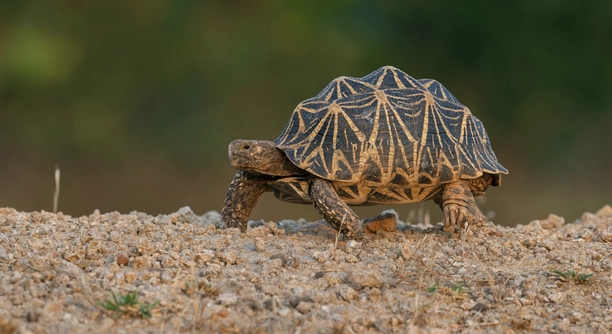
Indian Star Tortoises are fascinating creatures, known for their distinct markings and unique behavior. If you have more than one, you might notice one climbing over others regularly. This article explores why this behavior happens.
Your Indian Star Tortoise climbs over others due to dominance behavior, territorial instincts, or simple curiosity. This climbing is a way for the tortoise to assert its position or investigate its surroundings. It’s a natural and common behavior.
This article will explain why your tortoise behaves this way and what you can do to manage it. Keep reading to learn more!
Understanding Your Tortoise’s Behavior
Indian Star Tortoises are naturally curious creatures, and climbing over one another is part of their instinctive behavior. In the wild, tortoises often move across varied terrain, and climbing helps them navigate obstacles. When in captivity, this behavior may continue, especially when they feel the need to explore their environment. In some cases, a tortoise will climb over others to get to a more favorable spot, such as a basking area or a feeding station. This climbing also serves to assert dominance. In a group, one tortoise may climb over others to signal its higher position in the social hierarchy.
However, this is not always a sign of aggression. It can also be a playful or curious attempt to interact with the other tortoises. Even though this behavior can look concerning, it is typically harmless.
Understanding this behavior will help ensure that your tortoises’ living environment meets their needs, reducing the chances of stress or territorial disputes among them.
Is It Harmful to Other Tortoises?
Climbing can occasionally result in injuries, especially if the tortoises are not given enough space.
When multiple tortoises are housed together in a limited space, the constant climbing may lead to stress or physical harm. To avoid this, make sure there’s enough room for each tortoise to claim its own territory. You may also notice that some tortoises are more prone to climbing due to their dominant nature. These tortoises may become more assertive in crowded enclosures. It’s crucial to monitor their interactions and provide hiding spots where less dominant tortoises can retreat.
Maintaining a proper space is key to preventing these behaviors from becoming problematic. Proper enclosure size, along with hiding spots and appropriate temperature zones, will help reduce climbing as a form of competition or aggression. This also ensures all your tortoises can coexist peacefully.
Why Climbing Might Be Due to Territorial Instincts
Tortoises are territorial animals, and climbing is one way they establish dominance over others in their space. This behavior is part of their natural instincts, especially when they are housed with others. The climbing tortoise may simply be asserting its territory to secure a better spot.
When tortoises share an enclosure, there will always be some form of territorial behavior. A dominant tortoise may try to climb over others to show its authority, pushing less dominant ones out of the way. While this may seem harsh, it’s usually part of their communication in the wild. If you notice constant climbing, it’s essential to evaluate if the enclosure is big enough to give each tortoise some space of its own.
Properly managing their environment, with hiding spots and separate areas, helps prevent territorial disputes. This will also allow each tortoise to feel secure in its space, reducing the need for climbing behavior.
Managing Space in Your Tortoise Enclosure
Providing enough space for each tortoise is essential to reduce stress and territorial conflicts. If they are housed in a small area, the limited space forces them to compete for resources like food and basking spots.
Ensure there is plenty of room for each tortoise to roam and explore. Large enclosures with designated areas for basking, hiding, and feeding will allow each tortoise to establish its own space. The more room they have, the less likely they are to engage in climbing or other forms of competitive behavior. Make sure to also add visual barriers like rocks or plants so they don’t constantly see each other, as this can help keep climbing to a minimum.
A well-designed enclosure encourages natural behaviors and reduces the need for dominance displays. You’ll notice a calmer, more content environment for your tortoises.
Climbing as a Sign of Curiosity
Tortoises are naturally curious, and climbing over others can simply be a way to explore their environment. It’s not always linked to aggression or dominance; sometimes, they just want to see what’s on the other side.
When tortoises climb, they might be trying to reach a higher vantage point or explore a new area. This behavior can be observed in the wild when they climb over rocks or other obstacles. In captivity, the same instinct to explore may cause them to climb over each other, especially if they are bored or curious about something new.
To prevent excessive climbing due to curiosity, providing enrichment like new objects or hiding spots can help redirect their attention and satisfy their need for exploration.
Signs of Stress Due to Climbing
If climbing becomes excessive, it could be a sign of stress. Tortoises might climb to escape an uncomfortable or overcrowded environment.
Signs of stress include pacing, loss of appetite, or increased aggression. If you notice your tortoises engaging in constant climbing or acting unusually, it’s time to check if their habitat is suitable. Overcrowding, lack of privacy, or incorrect temperatures can all lead to stress, which might cause them to act out by climbing over others.
Adjusting the enclosure setup can help reduce stress levels and improve your tortoises’ overall health.
Temperature and Lighting Effects
Tortoises are sensitive to temperature changes, and improper lighting or heating can lead to restlessness. If your tortoises are climbing more than usual, it could be because they’re trying to find a more comfortable spot in their enclosure.
Having the right lighting and temperature gradients is essential for their well-being. A basking spot with proper UVB light and a cooler area for them to retreat to will help them regulate their body temperature. If they’re too hot or too cold, they may become agitated and start climbing in search of relief. Proper lighting not only ensures their health but can help reduce stress-driven behaviors like climbing over others.
FAQ
Why does my Indian Star Tortoise keep climbing on top of others?
Climbing over other tortoises is a common behavior in Indian Star Tortoises and can stem from a few reasons. It could be a sign of dominance, where one tortoise is asserting its position over others. Alternatively, climbing could simply be an expression of curiosity or the desire to find a more comfortable spot. In some cases, it may also indicate stress or overcrowding in their enclosure. Ensuring there is enough space and hiding spots for each tortoise can help manage this behavior.
Is it harmful for my tortoises to climb on each other?
While occasional climbing is generally harmless, constant climbing can lead to stress or minor injuries. If one tortoise is repeatedly climbing over others, it can cause friction or even result in scratches and abrasions. It’s essential to monitor their interactions, as excessive climbing can sometimes be a sign of an unhealthy environment, such as overcrowding. Providing more space, different basking areas, and hiding spots will help reduce climbing and promote healthier interactions.
How can I stop my tortoises from climbing over each other?
To stop climbing behavior, you should first ensure that the enclosure is large enough for each tortoise to have its own space. Overcrowding is a common cause of climbing, as the tortoises compete for food, basking spots, and hiding areas. Adding separate basking zones, providing hiding spots, and creating visual barriers between tortoises can help. If your tortoises are still climbing, you might want to adjust their enclosure layout or consider splitting them into separate areas to reduce the chances of climbing and stress.
Do all tortoises climb over others?
Not all tortoises climb over each other. It’s more common among tortoises living in group settings, as they are trying to establish a hierarchy or explore their surroundings. Some tortoises are more dominant and will often climb over others to assert themselves, while others might be more passive and avoid climbing altogether. The behavior is also influenced by factors like the size of the enclosure, their individual personalities, and whether there is enough room to roam freely.
Can climbing be a sign of mating behavior?
While climbing can sometimes be linked to mating behavior, it’s more common for males to climb over females during the breeding season. However, this type of climbing is different from the typical territorial or curiosity-driven climbing. Mating behavior tends to involve more intentional movements, such as the male mounting the female, and is usually accompanied by other signs like vocalizations. If your tortoises are showing signs of mating behavior, it’s important to monitor their interactions to ensure the female isn’t being harmed.
Should I separate my tortoises if one is constantly climbing?
If one tortoise is constantly climbing over others, it may be a sign that they’re feeling stressed, overwhelmed, or unable to claim enough space in the enclosure. If the climbing becomes excessive or seems to be causing harm, separating the tortoises temporarily or permanently may be a good idea. You can set up separate enclosures or provide more space within the same area. Ensuring that each tortoise has its own territory, basking area, and food station can help reduce this behavior.
What signs should I look for if climbing is due to stress?
If climbing behavior is due to stress, your tortoises may also show other signs of distress, such as decreased appetite, lethargy, or excessive pacing. Stress can occur from overcrowding, improper lighting or temperature, or lack of hiding spots. Monitor the temperature and humidity levels within the enclosure, ensure proper lighting and UVB exposure, and provide sufficient space for each tortoise to retreat. If climbing is accompanied by these signs, addressing the root cause of stress is key to improving their well-being.
Can temperature affect climbing behavior?
Yes, temperature can influence tortoise behavior. If the enclosure is too hot or too cold, tortoises may become restless and try to climb over each other in search of a more comfortable spot. Providing a proper temperature gradient within the enclosure is essential. Ensure there is a warm basking area and a cooler retreat area to allow them to regulate their body temperature. If the temperature is not optimal, tortoises may display more erratic behaviors, including climbing, to find a more suitable place.
What is the best way to set up my tortoise enclosure to prevent climbing?
To minimize climbing behavior, the most effective solution is to ensure your tortoises have plenty of space. A large, spacious enclosure reduces competition for resources like food, basking areas, and hiding spots. Make sure to add several basking spots so each tortoise can find its own comfortable space. Using plants, rocks, or other objects to create visual barriers helps reduce the temptation to climb. Providing hiding spots and giving tortoises opportunities to explore and interact in different ways can also help decrease climbing behavior.
Can climbing cause injury to my tortoises?
While tortoises are relatively sturdy creatures, climbing can occasionally lead to minor injuries like scratches, shell damage, or even falls. This is particularly likely if the climbing tortoise is overly dominant or if the tortoises are housed in a small, overcrowded area. Providing enough space and ensuring there are soft surfaces or climbing structures to help cushion any falls can help prevent injuries. Regularly inspecting your tortoises for any signs of injury is important to ensure they remain healthy and safe.
Final Thoughts
Climbing behavior in Indian Star Tortoises is often a natural and instinctive part of their daily routine. Whether it’s to assert dominance, explore their environment, or simply satisfy curiosity, tortoises will often engage in climbing if given the opportunity. While occasional climbing is perfectly normal, it’s important to keep an eye on how often and intensely it occurs. Constant climbing or competition for space can signal that your tortoises are feeling stressed or crowded. If left unchecked, it can also lead to minor injuries or increased aggression among them. Understanding this behavior is key to providing the best care for your tortoises.
To ensure that climbing doesn’t become a problematic behavior, it’s essential to create an environment that meets their physical and emotional needs. This means providing enough space for each tortoise to establish its own territory, offering plenty of hiding spots, and ensuring they have access to basking areas, food, and water without overcrowding. If you have multiple tortoises, a larger enclosure or separating them into different areas might help reduce the pressure and stress they may feel when competing for resources. Visual barriers like plants or rocks can also help minimize constant interactions and prevent unnecessary climbing.
Ultimately, your Indian Star Tortoises’ well-being depends on understanding their natural instincts and providing them with an environment that caters to those needs. By adjusting their habitat, monitoring their behavior, and responding to their signs of stress or discomfort, you can help prevent climbing from becoming a persistent issue. A peaceful and well-balanced enclosure will not only reduce climbing but also ensure that your tortoises thrive and live a healthy, happy life.

Hello,
If you enjoy the content that we create, please consider saying a "Thank You!" by leaving a tip.
Every little bit helps us continue crafting quality advice that supports the health, happiness, and well-being of pets around the world, for pets of all shapes, sizes, and species.
We really appreciate the kindness and support that you show us!