
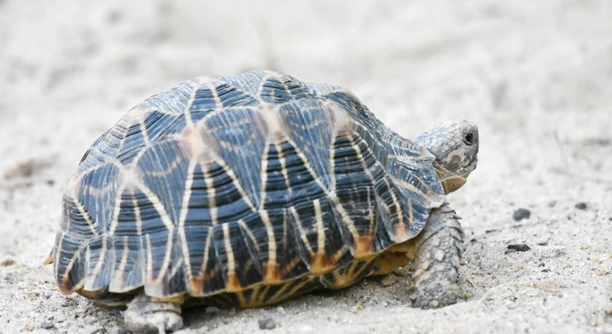
Indian Star Tortoises are fascinating creatures, and like all pets, they require proper care and attention, especially when it comes to their digestive health. Ensuring they have a balanced diet is essential for their overall well-being.
Improving digestion in Indian Star Tortoises involves offering high-fiber foods that promote healthy gut function. A combination of leafy greens, fruits, and vegetables, along with proper hydration, supports digestive health and helps prevent common issues such as constipation.
There are several foods that can aid in improving your tortoise’s digestion. Keep reading to learn about the best options and how to incorporate them into their diet.
Why Proper Digestion Matters for Indian Star Tortoises
Indian Star Tortoises are herbivores, and their digestive system is designed to process a variety of plant matter. If their diet lacks the necessary nutrients, they can develop digestive issues, leading to discomfort or even more severe health problems. Without proper digestion, they may struggle to absorb essential vitamins and minerals, affecting their overall health. Proper digestion also supports a healthy immune system, making your tortoise more resilient to illness.
Ensuring a well-balanced diet of high-fiber foods and regular access to clean water is crucial to help your tortoise stay healthy. Digestive issues can also cause problems like bloating or irregular bowel movements, which is why it’s important to monitor their eating habits closely.
A lack of proper digestion can shorten a tortoise’s lifespan. It’s important to focus on a diet that enhances gut function, offering foods high in fiber that can easily be processed. To prevent these issues, make sure to adjust the diet according to your tortoise’s specific needs and environmental factors.
Foods That Help Improve Digestion
Several foods support digestion in Indian Star Tortoises. These foods can help maintain a healthy gut and avoid potential digestive troubles.
Leafy greens like dandelion greens, kale, and collard greens are packed with fiber, which supports digestion. Adding fruits like papaya and pears also introduces enzymes that promote gut health. Additionally, incorporating vegetables like zucchini and bell peppers helps maintain hydration, another key factor for proper digestion.
High-Fiber Vegetables for Digestive Health
Leafy greens are an excellent source of fiber, which is crucial for digestion. Tortoises need fiber to regulate their digestive system and avoid constipation. Offering a variety of leafy greens will also ensure they get a range of essential nutrients.
Collard greens, dandelion greens, and kale are excellent options. These greens provide the necessary roughage to help move food through the intestines and promote healthy digestion. Avoid offering too much spinach, as it can be high in oxalates, which could affect calcium absorption. Additionally, be mindful of the size and texture of the greens to make sure they are easy to chew.
You can rotate different types of leafy greens to provide variety and prevent your tortoise from getting bored. Experimenting with different textures, like tender leaves or tougher ones, helps mimic their natural diet. Freshness is key—always ensure the vegetables are fresh, as wilted or spoiled greens may cause digestive upset.
Fruits That Aid Digestion
Fruits offer more than just a tasty treat for your tortoise; they can also help improve digestion.
Papaya, pears, and figs are great fruits to add to your tortoise’s diet. Papaya, in particular, is known for its enzyme called papain, which helps break down proteins and improve digestion. These fruits are also packed with vitamins and hydration, supporting your tortoise’s overall health. However, fruits should only be given in moderation due to their sugar content. Too much fruit can upset the digestive balance and lead to other health issues like obesity. Always remove seeds from fruits like papaya or pear, as they can be a choking hazard.
In addition to their digestive benefits, fruits provide antioxidants that support a healthy immune system. While they shouldn’t be the main food in your tortoise’s diet, incorporating a small serving of fruit once or twice a week helps diversify their meals and keeps them healthy. Keep in mind that variety is key for a well-rounded diet.
Hydration for Healthy Digestion
Water is essential for good digestion. Dehydration can cause constipation and make digestion more difficult for your tortoise. Make sure your tortoise has access to fresh, clean water at all times.
While tortoises often get moisture from their food, they still need water to stay properly hydrated. Offering a shallow water dish encourages your tortoise to drink, and regular misting helps keep their environment humid. The water also supports the proper absorption of nutrients and flushes waste from their system.
Safe Fiber-Rich Grasses
Grasses are another key part of a healthy diet. Tortoises in the wild graze on various types of grasses, which are naturally high in fiber.
Timothy hay, Bermuda grass, and meadow grasses are ideal choices for digestion. They provide roughage that supports healthy gut movement, preventing constipation. Ensure the grasses you offer are pesticide-free to avoid harmful chemicals. You can give these as a daily food source to maintain digestion and general health.
FAQ
What are the signs of digestive problems in Indian Star Tortoises?
Signs of digestive issues in Indian Star Tortoises can include bloating, lack of appetite, or difficulty passing stool. You might also notice your tortoise becoming more lethargic than usual or developing soft, runny stools. If these symptoms persist, it’s essential to seek veterinary help, as untreated digestive problems can lead to more serious health issues. Monitoring your tortoise’s behavior and eating habits is key to catching problems early.
How often should I feed my Indian Star Tortoise?
Indian Star Tortoises are slow feeders, and their meals should consist mainly of leafy greens, grasses, and some fruits. They should be fed once a day, but the amount depends on their age and size. Baby tortoises may need more frequent feedings, while adults typically eat once a day. Always ensure that their food is fresh and clean, offering variety to ensure a balanced diet. Avoid overfeeding, as this can lead to obesity and other health issues.
Can I feed my Indian Star Tortoise fruits every day?
Fruits are a healthy treat, but they should not be offered daily. They are high in sugar, and too much sugar can disrupt the digestive process. It’s best to provide fruits once or twice a week, with options like papaya, pears, and apples. Make sure to remove any seeds or pits, as they can pose a choking hazard. A good rule of thumb is to offer fruits in moderation to complement their regular diet of leafy greens and grasses.
What are the best greens to feed my Indian Star Tortoise?
The best greens for your tortoise include dandelion greens, collard greens, and kale. These leafy vegetables are high in fiber and essential nutrients that support digestion. You can also add mustard greens and turnip greens to their diet, but avoid spinach too often due to its high oxalate content, which can interfere with calcium absorption. Offering a variety of greens helps ensure that your tortoise gets all the nutrients it needs while keeping mealtime interesting for them.
How can I encourage my tortoise to drink more water?
Hydration is essential for digestion, so it’s important to encourage your tortoise to drink. Providing a shallow water dish that is easy to access will help. Some tortoises may prefer drinking from a wet sponge or a misted surface, so experimenting with different methods can help. Mist your tortoise’s habitat daily to maintain a humid environment, as this can encourage natural drinking behavior. Keep the water dish clean and refreshed regularly to ensure it’s appealing.
Is it okay to feed my Indian Star Tortoise a high-protein diet?
A high-protein diet is not suitable for Indian Star Tortoises. They are herbivores, and their digestive systems are not designed to process high amounts of protein. Too much protein can lead to kidney issues and other health problems. Instead, focus on a diet rich in fiber, such as leafy greens, grasses, and low-protein plants. If you’re offering commercial tortoise food, make sure it’s specifically formulated for herbivorous species and contains the proper balance of nutrients.
How can I tell if my tortoise is overweight?
You can tell if your Indian Star Tortoise is overweight by looking for signs of a bloated or overly rounded shell. If their shell appears wide or puffy, or they have difficulty moving around, they might be carrying excess weight. Additionally, a tortoise that is lethargic and doesn’t eat much may also be overweight. It’s important to feed them a balanced diet with enough fiber and avoid overfeeding, especially with high-calcium foods. Regular weight checks can help track your tortoise’s health.
Can Indian Star Tortoises eat cactus?
Yes, Indian Star Tortoises can eat cactus, but only certain types. Opuntia (prickly pear cactus) is safe for them and can be offered in moderation. Cactus pads are high in fiber and can aid digestion, but they should be given without the spines. Always make sure the cactus is properly prepared—remove any thorns or sharp parts before feeding. Cactus should be seen as an occasional treat rather than a regular food source.
Are there any foods I should avoid feeding my Indian Star Tortoise?
Yes, there are several foods to avoid. These include lettuce (which offers little nutritional value), rhubarb (which is toxic), and any type of processed food. High-fat or high-sugar foods like carrots or tomatoes should also be avoided. Additionally, foods that are too rich in oxalates, like spinach, can interfere with calcium absorption and should be offered sparingly. Always stick to a natural, plant-based diet with leafy greens, grasses, and safe fruits.
Can my Indian Star Tortoise eat flowers?
Yes, Indian Star Tortoises can eat certain flowers, and they are a great addition to their diet. Safe flowers include hibiscus, dandelions, and geraniums. Always make sure the flowers have not been treated with pesticides or chemicals before offering them to your tortoise. Flowers are high in nutrients and can add variety to your tortoise’s diet while also stimulating their appetite. However, flowers should be offered in moderation and not as the main food source.
How can I improve the overall health of my Indian Star Tortoise?
Improving the overall health of your tortoise starts with a balanced diet, proper hydration, and a suitable living environment. Ensure your tortoise has access to a variety of fresh leafy greens, fiber-rich grasses, and safe fruits. Provide clean water daily and ensure their habitat is well-lit and maintains the right temperature. Regular health checks, including shell inspections, are essential for spotting potential issues early. If any digestive problems or other concerns arise, consult a vet to address them promptly.
Final Thoughts
Maintaining proper digestion for your Indian Star Tortoise is essential for its overall health and well-being. A balanced diet full of fiber-rich greens, safe fruits, and grasses helps keep their digestive system functioning smoothly. By providing the right foods and ensuring they are hydrated, you can support your tortoise’s digestion and prevent common issues like constipation or digestive discomfort. It’s important to offer a variety of foods to make their meals interesting while also providing the necessary nutrients to keep them healthy.
Equally important is understanding your tortoise’s individual needs. Every tortoise is different, and their digestion can be affected by factors like age, size, and environment. Baby tortoises might need a different diet compared to adults, and their feeding habits can change as they grow. Pay attention to their eating habits, behavior, and bowel movements to ensure they are digesting properly. Regular health checks can help you spot any digestive issues early, making it easier to address them before they become serious problems.
Overall, by providing a well-rounded, fiber-rich diet and maintaining proper hydration, you will help your Indian Star Tortoise thrive. Keep in mind that moderation is key when feeding fruits and vegetables, and it’s best to avoid processed foods or anything that could harm their digestive system. With the right care, your tortoise can enjoy a healthy and long life, and you’ll be able to enjoy its company for years to come. Remember to monitor their diet and always seek veterinary advice if you notice signs of digestive distress.

Hello,
If you enjoy the content that we create, please consider saying a "Thank You!" by leaving a tip.
Every little bit helps us continue crafting quality advice that supports the health, happiness, and well-being of pets around the world, for pets of all shapes, sizes, and species.
We really appreciate the kindness and support that you show us!