
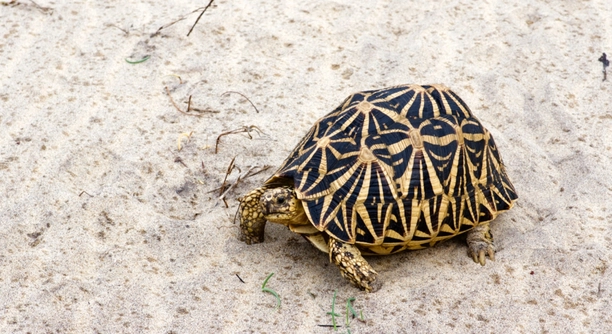
Indian star tortoises are unique creatures that require special care, especially when they face shedding problems. Shedding is a natural process, but it can sometimes signal underlying issues. If you’re a tortoise owner, understanding how to manage this is crucial for their well-being.
The best way to manage shedding problems in Indian star tortoises is by ensuring proper humidity levels, temperature, and a balanced diet. Regular soaking and providing a safe environment for them to shed naturally can help prevent excessive shedding or retained skin.
Handling these common issues can be simpler than it seems. With just a few changes to your tortoise’s environment, you can support a healthy shedding process. Let’s explore the best ways to address shedding problems in your tortoise.
Proper Humidity Levels Are Key
Maintaining the right humidity levels is essential for your Indian star tortoise’s shedding process. These tortoises are used to warm, humid environments, and if their habitat is too dry, it can lead to improper shedding. A humidity level between 50% and 70% is ideal. Without the right moisture, the skin may not shed properly, causing discomfort and possible health issues like retained skin. Regularly misting the enclosure or using a humidifier can help keep the humidity stable. Be careful not to make the area too wet, as this can lead to other problems like fungal growth or respiratory issues.
Sometimes, adjusting the humidity alone can make a noticeable difference in your tortoise’s shedding problems. If you notice your tortoise shedding unusually or unevenly, try adjusting the humidity first. This simple step can help reduce stress and improve the overall health of your pet.
Using a hygrometer to measure humidity levels ensures you get the balance right. Always remember to check your tortoise’s behavior too. If it seems stressed or continues to shed improperly, it’s time to review other factors in its environment.
The Importance of a Balanced Diet
Providing a well-rounded diet for your tortoise supports overall health and proper shedding.
A diet rich in calcium, fiber, and vitamins like vitamin A is essential. You can achieve this by offering leafy greens, dandelion leaves, and a variety of grasses. Avoid overfeeding with fruits or high-protein foods, as they can disrupt the balance your tortoise needs. A diet too high in phosphorus or too low in calcium can cause skin issues, affecting the shedding process. Additionally, adding a calcium supplement can ensure that your tortoise gets enough of this vital nutrient.
An imbalance in your tortoise’s diet will show up in many ways, including issues with shedding. Proper nutrition strengthens the shell and skin, allowing them to shed in manageable, healthy patterns. By focusing on a varied, well-balanced diet, you’ll also encourage better overall health for your pet, preventing the need for further interventions.
Correct Temperature Is Crucial
Temperature regulation plays a vital role in helping your tortoise shed properly. Ideal temperatures range from 80°F to 90°F during the day, with a slight drop at night. If the temperature is too low, your tortoise may become stressed, leading to poor shedding. It’s important to provide a basking spot where the temperature is higher, while the rest of the enclosure remains cooler to mimic natural conditions.
Using a heat lamp to create a basking area will give your tortoise the warmth it needs for proper digestion and overall health. If the enclosure is too cold, shedding might become irregular. Ensure there is a temperature gradient within the habitat so your tortoise can choose where it feels most comfortable. Maintaining a consistent temperature can prevent issues like retained skin and help your tortoise shed naturally.
A reliable thermostat will help monitor and adjust the temperature accordingly. It’s also essential to avoid placing your tortoise in a drafty area where temperature fluctuations are common. Stability in temperature ensures that your tortoise can comfortably shed without any external stressors.
Providing Regular Soaks
Soaking your tortoise regularly helps to hydrate it and supports the shedding process.
Place your tortoise in a shallow water bath once or twice a week. The water should be warm, around 85°F, to encourage shedding and ease the removal of old skin. Soaking also helps with overall hydration, which is crucial for a tortoise’s health. Avoid using water that is too hot, as this can stress your pet or cause burns. Regular soaking can soften the skin and allow it to shed more easily, reducing the chances of retained skin or skin damage.
During the soak, gently rub the tortoise’s shell and skin to encourage shedding. However, don’t force the skin off, as it can lead to injury. Let the soak do its work gradually. After soaking, ensure your tortoise dries off in a warm area to prevent it from getting too cold. This simple practice, if done regularly, can reduce many shedding problems that often arise with insufficient moisture.
Offering a Proper Hiding Spot
Tortoises feel safest when they have a place to hide. Providing a secure hiding spot helps reduce stress, which can impact the shedding process. A hiding area also allows them to feel more comfortable and less exposed, promoting healthier skin and shedding.
A simple, dark hide box or a log can work well as a hideout. Make sure it’s large enough for the tortoise to enter and turn around easily. Keeping the hideout clean will also reduce any risk of infection or discomfort. Regularly check it to ensure it’s dry and secure.
Avoiding Overhandling
Overhandling your tortoise can cause stress and interfere with its natural shedding cycle.
Tortoises are generally solitary animals, and too much interaction can lead to anxiety, making shedding more difficult. They need plenty of space to move freely and time to rest. Handling them too often can disrupt their environment and cause them to shed irregularly. Keeping handling to a minimum can help them feel safer and more at ease.
Allow your tortoise time to acclimate to its surroundings without constant disturbances. You will notice better behavior and more natural shedding when your tortoise feels undisturbed. Reducing handling will ensure that your pet stays healthy and relaxed.
Maintaining Clean Enclosure
Regularly cleaning the enclosure is vital for your tortoise’s health and proper shedding.
A dirty environment can cause skin irritation, leading to poor shedding. Spot cleaning the habitat every day and doing a full cleaning weekly helps keep bacteria and parasites at bay. Removing leftover food and waste promptly prevents contamination that could affect your tortoise’s skin. Be sure to wash any water dishes and basking rocks, as they can accumulate dirt or fungi that may disrupt your tortoise’s health.
A clean enclosure also helps with humidity and temperature control. Ensuring the habitat is free of mold and other contaminants is key to creating a safe space for your tortoise to thrive.
What causes shedding problems in Indian star tortoises?
Shedding problems in Indian star tortoises often stem from environmental issues, such as incorrect humidity, temperature, or poor diet. Stress from overhandling or inadequate hiding spots can also contribute to irregular shedding. Additionally, if the tortoise’s enclosure is not cleaned regularly, bacteria or fungal infections may disrupt the shedding process. Lack of proper hydration can further cause skin to become tough and not shed as easily. It’s important to maintain consistent environmental conditions and a balanced diet to ensure healthy shedding.
How can I tell if my tortoise is having trouble shedding?
If your tortoise has patches of retained skin, this is a sign that it is having trouble shedding. You might also notice that it seems uncomfortable or is rubbing against objects in the enclosure. In some cases, the tortoise may develop swelling or redness around its legs or shell. If the skin isn’t coming off in pieces, or if the tortoise is spending more time soaking or basking than usual, these can be indicators of shedding problems. Regular observation will help you catch any issues early.
How often should I soak my tortoise to help with shedding?
Soaking your tortoise once or twice a week is generally sufficient to help with shedding. The water should be warm, around 85°F, and only about an inch deep to ensure your tortoise is comfortable. Soaking hydrates your tortoise and softens the skin, allowing it to shed more easily. Avoid soaking too frequently as it could cause stress or skin damage, and always ensure that your tortoise is dried off afterward. If you notice the skin hasn’t come off after soaking, it might be time to adjust other aspects of care, like temperature or humidity.
Can diet affect shedding in my tortoise?
Yes, diet plays a huge role in your tortoise’s shedding. A lack of proper nutrients, especially calcium, can affect the shedding process. If your tortoise isn’t getting enough calcium, it may have difficulty shedding its skin properly. Offering leafy greens, grasses, and edible flowers can provide the necessary nutrients for healthy skin and shell development. Avoid feeding too many fruits or high-protein foods as they may disrupt the calcium-phosphorus balance. A balanced diet will support natural shedding and overall health.
What temperature should I maintain for my tortoise’s enclosure?
A temperature range of 80°F to 90°F during the day is ideal for Indian star tortoises. It’s essential to create a gradient, with a basking area that’s warmer than the rest of the enclosure. The basking spot should be around 95°F, while the cooler side should be between 80°F and 85°F. At night, the temperature can drop to around 70°F to 75°F. Proper temperature control helps support digestion and encourages natural shedding. Using a reliable thermometer can help monitor these conditions accurately.
How do I create a hiding spot for my tortoise?
Providing a hiding spot helps your tortoise feel secure, reducing stress that can interfere with shedding. You can create a simple hiding spot by using a small, dark box or a piece of hollow wood. The hideout should be large enough for your tortoise to enter and turn around comfortably. A secure hiding spot allows your tortoise to rest without feeling exposed, contributing to a more relaxed environment. Regularly clean the hideout to keep it free from mold, dirt, or waste, which could cause health issues.
Can I speed up the shedding process?
While you can’t exactly “speed up” shedding, you can create the optimal conditions for it to happen naturally. Proper humidity, temperature, and hydration are key to ensuring your tortoise sheds regularly and comfortably. Avoid forcing the skin off, as this can cause injury. Soaking your tortoise and providing a balanced diet rich in calcium can help maintain healthy skin, which sheds more easily. The best approach is to provide a stable, stress-free environment and let the shedding process happen on its own.
What should I do if my tortoise has retained skin?
If your tortoise has retained skin, it’s important not to force the skin off, as this can cause injury or stress. First, check the humidity levels and ensure they are within the ideal range. Increase soaking sessions to soften the skin and help it come off naturally. If the retained skin is persistent, gently rub the areas with a soft cloth or sponge after soaking to loosen the skin. If the skin does not come off with soaking, it might be necessary to seek help from a vet for further treatment.
Can I handle my tortoise while it is shedding?
It’s best to avoid handling your tortoise too much while it is shedding. Excess handling can cause stress, which may affect the shedding process. Your tortoise needs a calm environment to shed properly, and over-interaction can disrupt that. If you must handle your tortoise, do so gently and only when necessary. Let your tortoise have its space and time to adjust, ensuring it has a quiet, secure place to rest.
How do I clean my tortoise’s enclosure to help with shedding?
Regular cleaning of the enclosure is crucial to prevent bacteria and fungus from affecting your tortoise’s skin and shedding process. Spot clean every day, removing any waste and leftover food. Perform a full cleaning weekly, wiping down surfaces and disinfecting water dishes. Make sure to check for mold or any damp areas, as these can cause skin irritation. Keeping the habitat clean helps maintain the right humidity and temperature levels, promoting natural shedding and a healthier environment.
In conclusion, managing shedding problems in Indian star tortoises doesn’t have to be complicated. With the right care, you can help your tortoise shed naturally and healthily. The key is maintaining stable humidity and temperature levels. These tortoises thrive in environments that mimic their natural habitat, so keeping the temperature between 80°F and 90°F during the day, with a drop at night, is essential. Humidity levels should stay between 50% and 70%. This will ensure that your tortoise sheds without any issues and stays comfortable.
Additionally, a proper diet is just as important for healthy shedding. Indian star tortoises need a balanced diet that is rich in calcium and other essential nutrients. Offer them leafy greens, grasses, and occasional flowers, while avoiding too many high-protein foods. This will not only help with shedding but also support your tortoise’s overall health. Make sure to provide clean water and occasionally soak your tortoise to keep it hydrated and promote easier skin shedding. A well-fed tortoise will be better equipped to shed naturally and avoid retained skin.
Lastly, providing a stress-free environment will go a long way in preventing shedding problems. Tortoises need a place where they can feel safe, so having a secure hiding spot is important. Keeping handling to a minimum will also help reduce stress and allow your tortoise to shed without interference. Regular cleaning of the enclosure is also necessary to prevent bacteria and mold buildup, which could affect the shedding process. By addressing these key areas—humidity, temperature, diet, and stress—you can help ensure that your tortoise’s shedding process goes smoothly and that your pet stays healthy.

Hello,
If you enjoy the content that we create, please consider saying a "Thank You!" by leaving a tip.
Every little bit helps us continue crafting quality advice that supports the health, happiness, and well-being of pets around the world, for pets of all shapes, sizes, and species.
We really appreciate the kindness and support that you show us!