
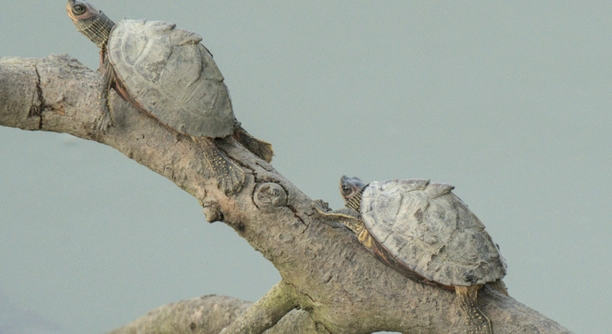
Indian Roofed Tortoises can be fascinating pets, but sometimes their behaviors can leave us wondering. One such behavior is when they attempt to climb their owners, making it easy to feel unsure of the cause behind it.
The primary reason your Indian Roofed Tortoise may be trying to climb you is instinctual. Tortoises are naturally curious and may climb on you as part of their exploration or to find higher ground. This behavior is quite normal.
Understanding why your tortoise behaves this way will help you understand their needs and ensure a healthy relationship with your pet.
Natural Instincts and Exploration
Tortoises are naturally curious creatures. When your Indian Roofed Tortoise climbs on you, it’s likely a sign of its instinctual behavior to explore its surroundings. In the wild, they often climb to find food or higher ground for safety. This behavior isn’t limited to the wild; even in captivity, they tend to express curiosity by trying to climb over anything they can. They may climb on logs, rocks, or even the edge of their enclosure. When they see you, they might view you as part of the environment to explore. This is quite normal and not a sign of aggression or discomfort.
Sometimes, climbing is also related to seeking attention. Tortoises are not usually social animals in the way that some pets are, but they do recognize the presence of their owners. If they’ve learned that you are around, they may try to climb on you for some interaction or simply out of curiosity. It’s a way for them to engage and bond, even if it’s not the typical pet behavior we expect.
However, it’s important to note that this can also signal a lack of space or enrichment in the environment. If your tortoise feels confined or has limited stimulation, climbing could be a way to relieve boredom. Ensuring your pet has plenty of room to roam and objects to explore might help reduce the frequency of climbing behaviors.
The Role of Territory
Tortoises often establish a small territory within their enclosures. When your tortoise climbs on you, it may be testing boundaries. This behavior is linked to asserting its territory or simply exploring what’s within its range.
Seeking Comfort and Security
Sometimes, your tortoise may try to climb on you to feel safe. In their natural habitat, they seek higher ground to escape potential threats or feel protected. Your body could be offering a form of security. This behavior is a way for them to feel safe and secure in their environment.
Your Indian Roofed Tortoise might not recognize your role as a pet owner in the same way we see companionship. However, it can start to associate you with a safe space. If it’s climbing on you, it’s likely because it feels more comfortable with you nearby, like a secure place it can rest. It’s important to provide an environment where they feel secure, such as a well-maintained enclosure with hiding spots and comfortable substrates. When they feel safe in their space, this behavior could decrease.
Creating a safe, stimulating environment can help reduce any anxiety they may have, and as they begin to feel more at ease, they may rely less on climbing. However, don’t be surprised if your tortoise occasionally seeks you out for that sense of comfort, even after their environment is secure.
Lack of Space or Enrichment
If your Indian Roofed Tortoise doesn’t have enough space to explore, climbing behavior can be more frequent. In the wild, they naturally roam and explore large areas. Without enough space, they might look for something or someone to climb to satisfy this need.
Climbing for Attention
Your tortoise may also be climbing you to grab your attention. If it notices that climbing on you gets a response, it might continue doing so. Even small reactions, like a touch or a verbal response, might encourage this behavior.
If your tortoise climbs on you frequently, it may be trying to establish interaction. While they may not seek out play in the way a dog would, they do recognize you as a source of food, safety, or comfort. When climbing leads to attention, your tortoise may begin to see it as a reliable way to engage with you.
Over time, consistent attention or interaction with your tortoise could reinforce this climbing behavior. If you’d prefer them not to climb on you, try redirecting them to another activity or area where they can safely explore.
Environmental Factors
Sometimes the environment around your tortoise could be contributing to the behavior. A small enclosure or a lack of hiding places can lead your tortoise to seek new ways to explore and interact with its surroundings.
FAQ
Why does my Indian Roofed Tortoise try to climb on me all the time?
Your Indian Roofed Tortoise likely tries to climb on you because it’s acting on its natural instincts. Tortoises are curious creatures, and they may view you as part of their environment to explore. Climbing can also be a way to seek attention, security, or comfort. If they are feeling bored or confined, they may climb as a way to express those needs.
Is my tortoise climbing me because it’s sick?
If your tortoise is climbing frequently, it’s usually not a sign of illness. However, if climbing is accompanied by other unusual behaviors like lethargy, lack of appetite, or changes in movement, it could be a sign that something is wrong. In that case, a visit to a veterinarian is a good idea to rule out any health issues.
Can climbing cause harm to my tortoise?
Climbing itself is not harmful to your tortoise unless it’s excessive or they are trying to climb dangerous areas. Tortoises are sturdy, but if they try to climb on slippery surfaces or high areas, they might fall and get injured. Ensure their environment is safe and has sturdy objects to climb on, if needed.
How can I stop my tortoise from climbing me?
To reduce the climbing behavior, ensure your tortoise has enough space to roam in its enclosure. Provide enriching items like rocks, logs, and hiding places to keep it engaged. If your tortoise climbs you for attention, try to redirect it to other forms of interaction, like offering food or hand-fed treats in its enclosure.
How much space does my tortoise need in its enclosure?
Indian Roofed Tortoises need a spacious enclosure to feel comfortable and secure. Ideally, you should have at least 4-5 times the size of your tortoise’s length in the enclosure. A larger space allows them to explore and engage in more natural behaviors, which can help reduce climbing or other repetitive actions.
What kind of enrichment can I provide for my tortoise?
Enrichment for your tortoise includes offering a variety of textures, heights, and hiding spots. Rocks, logs, and safe plants can help them feel like they’re in a natural habitat. You can also add a shallow water dish or create a small digging area to encourage more natural behavior.
Is climbing a sign of boredom?
Yes, if your tortoise is climbing you or other objects in its enclosure constantly, it could be a sign that it’s bored. Tortoises are active creatures that need mental stimulation and physical space. A lack of variety in their environment can lead to climbing as a way to entertain themselves.
Should I let my tortoise climb on me?
If you don’t mind the climbing behavior and it’s not causing harm to you or the tortoise, there’s no need to stop it. However, if it becomes frequent or disruptive, try providing more enrichment in its environment. Tortoises usually climb out of curiosity or for attention, not for affection like a dog might.
Can climbing on me mean my tortoise likes me?
Tortoises do not have the same social attachment behaviors as dogs or cats. However, climbing on you could mean your tortoise associates you with safety or comfort. It’s also a way for them to interact with their environment. While it’s not necessarily a sign of affection, it does indicate that your tortoise feels comfortable with you nearby.
How can I tell if my tortoise is stressed?
Signs of stress in tortoises can include rapid breathing, excessive hiding, refusal to eat, or changes in their activity levels. If your tortoise is climbing excessively, it may be seeking comfort or safety. Monitor the rest of its behavior and ensure its environment is comfortable and secure. If stress continues, consult a vet for advice.
What kind of substrate should I use for my tortoise?
The substrate in your tortoise’s enclosure should be soft but firm enough to allow for natural digging behavior. Good options include coconut coir, cypress mulch, or a mix of sand and soil. Avoid using materials that can be ingested, like gravel or small rocks, as they can cause digestive problems.
Is it okay for my tortoise to live outside?
Indian Roofed Tortoises can live outside if the weather is warm and safe. They need an enclosure that keeps them secure and protects them from predators. Outdoor habitats should have places for them to hide, bask, and forage, just like they would in the wild. Ensure there’s adequate shade and access to fresh water.
How often should I feed my Indian Roofed Tortoise?
Indian Roofed Tortoises are herbivores and should be fed daily with a variety of leafy greens, vegetables, and some fruits. A varied diet will ensure they get the nutrients they need. Avoid feeding them high-protein foods, as it can cause health issues. Always ensure fresh water is available.
Final Thoughts
Understanding why your Indian Roofed Tortoise keeps trying to climb you is important for both your pet’s well-being and your relationship with it. While it might feel strange or confusing at first, most of the climbing behavior is completely natural. Tortoises are curious animals, and climbing is just one way they explore their surroundings. They often climb to find safety, explore, or interact with what they see as part of their world. In your case, they may even view you as an interesting part of their environment.
However, it’s also important to recognize when this behavior may indicate a need for more space or stimulation. If your tortoise is climbing on you frequently, it could be a sign that it feels bored or confined. Tortoises need room to roam, so ensuring their enclosure is large enough with a variety of textures and objects to explore will help reduce the need for climbing. Offering things like rocks, logs, and safe plants will keep them mentally engaged and reduce climbing as a means of seeking stimulation.
Lastly, while climbing may be a harmless behavior, it’s still important to monitor the frequency and context of it. If your tortoise climbs you only occasionally, it’s likely just exploring and trying to connect with its surroundings. But if the climbing becomes constant or excessive, it may be a good idea to reevaluate its living environment. By offering a secure, enriched space and understanding their natural instincts, you can help your Indian Roofed Tortoise feel comfortable and satisfied in its home.

Hello,
If you enjoy the content that we create, please consider saying a "Thank You!" by leaving a tip.
Every little bit helps us continue crafting quality advice that supports the health, happiness, and well-being of pets around the world, for pets of all shapes, sizes, and species.
We really appreciate the kindness and support that you show us!