
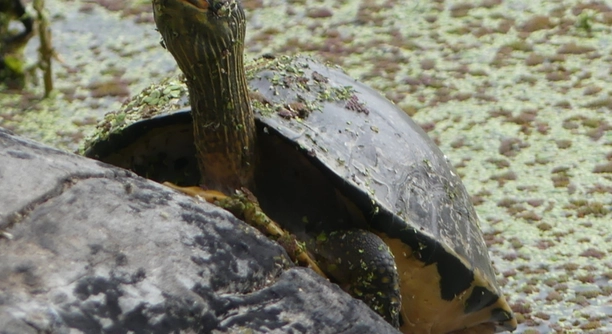
If you own an Indian roofed tortoise, you may notice it hiding more often than usual. This behavior can be puzzling, especially when you’re not sure why your tortoise is staying out of sight. Understanding what’s going on can help.
The main reason your Indian roofed tortoise hides is due to stress or discomfort. This can result from environmental changes, improper temperature, or feeling threatened. It’s essential to identify the cause and provide a secure, calm habitat for your tortoise.
Knowing why your tortoise is hiding can help you create a better living space for them. Keeping an eye on their environment is key to making them feel comfortable.
Stress from Environmental Changes
Indian roofed tortoises are very sensitive to changes in their surroundings. If you’ve recently moved them to a new enclosure or changed the layout, they might feel uneasy. Stress can be a common reason why they hide. Tortoises rely on familiar spaces to feel safe and secure, so any disruption can cause anxiety. Even a small change in lighting, humidity, or noise levels can have an impact.
The more a tortoise feels safe in its environment, the more it will come out to explore. Reducing stress helps create a more comfortable space. Ensure that their enclosure is consistent in temperature, humidity, and light conditions.
You can ease the stress by keeping their habitat stable. A good way to do this is by placing items like rocks, hides, and plants in familiar positions. If they have a routine, they are likely to feel more at ease and less inclined to hide. Regularly checking their habitat and avoiding drastic changes can significantly improve their overall well-being.
Improper Temperature and Lighting
Your tortoise might hide if the temperature in its enclosure is too high or low. It’s important to have the correct balance between warm and cool areas in the habitat. Tortoises rely on external heat sources to regulate their body temperature.
A warm basking spot between 85-90°F and a cooler area around 70°F will help them feel comfortable. If the enclosure is too cold or too hot, they may retreat into hiding to avoid discomfort. Make sure to use a reliable thermometer and adjust the heat accordingly. Consistent light and heat help your tortoise feel secure, and this will encourage them to stay active instead of hiding.
Feeling Threatened or Unsafe
When a tortoise feels threatened, it will often retreat to a hidden spot. This can be due to a loud noise, unfamiliar people, or even other pets in the home. Tortoises are naturally shy animals and prefer to stay out of sight when they sense danger. It’s essential to create a calm environment where your tortoise feels safe.
If your tortoise is constantly hiding, consider their surroundings. Is there a lot of movement around their enclosure? Are there other animals that might be stressing them out? Reducing these stressors can help them feel more secure. For example, placing their enclosure in a quieter area of the house can give them the peace they need.
In some cases, tortoises can also be stressed by their owners’ handling. If you’ve been frequently reaching in to move them or change their habitat, they may start hiding to avoid interaction. Try observing from a distance and only handling them when necessary. Giving them space will help them feel more relaxed.
Health Issues
A sick or injured tortoise may hide more than usual. If they’re feeling unwell, they tend to retreat into a quiet space to rest and recover. Keep an eye on your tortoise for signs of illness, such as changes in appetite, lethargy, or unusual behavior. These can be indicators of a health problem.
If you suspect your tortoise is ill, it’s important to seek veterinary help as soon as possible. Common issues in tortoises include respiratory infections, shell rot, and parasitic infections. Regular check-ups with a vet can help catch any health problems early. A healthy tortoise is more likely to stay active and explore its environment instead of hiding.
Acting quickly to address any health concerns is key to keeping your tortoise comfortable. By maintaining proper care and seeking help when needed, you can help your tortoise live a long and healthy life.
Lack of Hide Spots or Shelters
Indian roofed tortoises feel safer when they have a place to hide or rest. If their enclosure lacks enough hiding spots, they may retreat more often. Providing various hiding options, like small caves, rocks, or plants, will help your tortoise feel more secure and comfortable.
Without enough shelters, your tortoise may become anxious or stressed. Tortoises are naturally shy and seek cover when they feel exposed. Adding more hiding places helps them feel less vulnerable and encourages exploration. Placing these shelters around their enclosure creates a more stimulating environment and reduces hiding behavior.
Overhandling or Unwanted Attention
Tortoises don’t enjoy being handled frequently. Overhandling or excessive attention can cause stress, leading them to hide more often. Try to limit handling to avoid overwhelming them. Give them the space they need to feel at ease and in control of their environment.
Tortoises feel safest when they can interact with their surroundings at their own pace. When they’re not constantly being touched or moved, they tend to come out more. Over time, your tortoise will get used to your presence and may become more curious, allowing for a more relaxed relationship.
Wrong Substrate
If the substrate in your tortoise’s enclosure isn’t right, it can lead to stress or discomfort. Tortoises need a substrate that allows them to burrow, like coconut fiber or topsoil. Using the wrong type of bedding may prevent them from feeling safe and lead to hiding.
FAQ
Why is my tortoise hiding all the time?
Your tortoise might be hiding due to stress, discomfort, or health issues. It could also be because of improper environmental conditions such as incorrect temperature, lighting, or substrate. Tortoises are naturally shy and will hide if they feel threatened or unsafe. It’s important to assess their habitat for any changes or stressors that might be causing them to retreat.
How do I know if my tortoise is stressed?
Stress in a tortoise can show through hiding, loss of appetite, or changes in behavior. A stressed tortoise may also become less active or start to withdraw. Pay attention to any changes in their environment, as stress often comes from environmental factors such as temperature fluctuations or too much handling. If stress continues, it’s essential to examine what could be causing it and adjust their surroundings accordingly.
Can my tortoise hide too much?
Yes, a tortoise can hide too much. Constant hiding may indicate that something is wrong with their environment or health. If your tortoise is hiding for extended periods, it could be a sign of stress, illness, or discomfort. Make sure their habitat is safe and appropriate, and consider consulting a vet if the behavior doesn’t change.
How do I make my tortoise feel more secure?
To make your tortoise feel more secure, ensure their habitat is consistent and calm. Provide plenty of hiding spots and a stable temperature range. Avoid sudden changes in their environment and reduce noise or movement around their enclosure. Tortoises are creatures of habit and feel safest in a predictable, calm setting.
What temperature should my tortoise’s enclosure be?
The temperature in your tortoise’s enclosure should vary. The basking area should be between 85-90°F, while the cooler side should be around 70°F. Tortoises are cold-blooded and need this temperature gradient to regulate their body heat. Ensure you have a reliable thermometer to monitor the temperature and make adjustments when necessary.
How often should I handle my tortoise?
Tortoises don’t like frequent handling, and too much attention can stress them out. It’s best to handle your tortoise only when necessary, such as during cleaning or when you need to move them. Let them come to you and explore their surroundings at their own pace. Handling them less will help reduce their stress levels.
What signs indicate that my tortoise is unwell?
A tortoise that is not eating, becomes lethargic, or spends excessive time hiding may be ill. Other signs of health problems include discharge from the eyes or nose, abnormal shell appearance, or difficulty breathing. If you notice any of these symptoms, it’s crucial to consult a vet to address any potential health issues.
Can a tortoise get too cold?
Yes, tortoises can get too cold. If their enclosure is too chilly, they may retreat into hiding to avoid discomfort. A cold tortoise can become lethargic, which affects its digestion and overall health. Ensure your tortoise has access to a warm basking spot and that their enclosure stays within the proper temperature range.
What is the best substrate for my tortoise?
The best substrate for an Indian roofed tortoise is one that mimics their natural environment. Coconut fiber, topsoil, and reptile bedding are all good choices. These substrates allow for burrowing and help maintain the humidity levels. Avoid using sand or small gravel, as these can cause digestive problems if ingested.
How can I tell if my tortoise is comfortable in its enclosure?
A comfortable tortoise will be active and curious. It will spend time exploring the enclosure and basking in the warm spots. If your tortoise is consistently hiding and not eating or moving around, it may not feel comfortable. Check their habitat for stressors like temperature, substrate, and potential threats in the environment.
Should I provide a heat lamp for my tortoise?
Yes, a heat lamp is essential for your tortoise’s well-being. The heat lamp helps them regulate their body temperature and encourages natural behaviors like basking. Make sure the lamp provides the proper warmth and that the light cycle mimics natural day and night patterns. Avoid positioning the lamp too close, as it can cause overheating.
Why is my tortoise not eating?
A lack of appetite in a tortoise can result from stress, health issues, or environmental factors. Make sure their habitat is appropriate in terms of temperature and lighting. If these factors are correct and the tortoise still refuses to eat, it may be sick or stressed. Consulting a vet can help determine the cause.
Final Thoughts
Understanding why your Indian roofed tortoise keeps hiding is important to provide a better living environment. Tortoises are naturally shy animals, and their behavior is often influenced by their surroundings. Whether it’s a change in the environment, improper temperature, or potential health issues, there are several factors that can cause your tortoise to retreat. By observing their habits and making necessary adjustments to their habitat, you can help reduce their hiding behavior and ensure they feel comfortable and safe.
The key to addressing this issue is identifying the root cause of the hiding. Stress can stem from changes in their environment or a lack of proper hiding spots, and even overhandling can make your tortoise feel uneasy. It’s crucial to ensure that their enclosure has the right temperature, humidity, and lighting. Providing ample hiding spots can also make them feel secure. Tortoises thrive in a stable and quiet environment, so minimizing loud noises and disruptions around their enclosure can help reduce stress. If hiding persists, it’s important to consider health issues and seek veterinary help if needed.
By creating the right conditions, your tortoise will likely become more active and less inclined to hide. Regularly checking their habitat and making minor adjustments as necessary will help keep them happy and healthy. A comfortable environment allows your tortoise to feel more at ease, which will encourage natural behaviors such as eating, basking, and exploring. With patience and proper care, your tortoise will feel more confident in their surroundings, leading to less hiding and more time spent out in the open.

Hello,
If you enjoy the content that we create, please consider saying a "Thank You!" by leaving a tip.
Every little bit helps us continue crafting quality advice that supports the health, happiness, and well-being of pets around the world, for pets of all shapes, sizes, and species.
We really appreciate the kindness and support that you show us!