
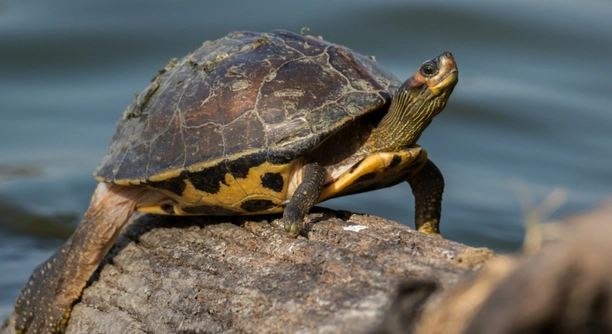
Your Indian roofed tortoise is a unique and special pet, and ensuring its happiness is essential for its well-being. Understanding their needs and behavior can help you spot when something is wrong. Recognizing the warning signs of unhappiness is key to keeping your tortoise healthy and content.
There are several signs that can indicate your Indian roofed tortoise is unhappy. Common signs include lack of appetite, inactivity, and changes in behavior. Additionally, if your tortoise shows signs of aggression or excessive hiding, it may be experiencing stress or discomfort.
Recognizing these signs early on can help you improve your tortoise’s living conditions. This article will guide you on how to identify what might be causing stress and how to address it effectively.
Lack of Appetite or Refusal to Eat
One of the first signs that your Indian roofed tortoise may be unhappy is a sudden loss of appetite. These reptiles are typically known for their healthy appetite and can be quite consistent with their feeding habits. When they start refusing food, it could be an indication of stress, discomfort, or health issues. It’s important to pay attention to any changes in their eating patterns. If your tortoise begins to eat less or not at all for an extended period, it may be time to assess their environment or consult a veterinarian.
A change in diet or habitat can cause them to lose interest in food. It’s essential to check if their enclosure temperature is right, if their food is fresh, and if they are receiving the correct type of diet. Stress can also be triggered by handling or changes in their environment.
Your tortoise’s appetite is a reflection of its overall health and mood. When your pet isn’t eating, it can be a warning that something is wrong. Observing its behavior and making adjustments to its surroundings or diet can help bring back its appetite and improve its well-being.
Inactivity and Lethargy
A tortoise that is typically active and suddenly becomes lethargic could be struggling. Inactivity is often linked to environmental factors, such as improper lighting or temperature. If your tortoise spends more time than usual hiding or showing little interest in moving around, it may indicate stress or discomfort.
When tortoises don’t feel safe or are unwell, they may retreat to their shells for comfort. If this happens regularly, it’s important to check the humidity, temperature, and overall condition of their enclosure. Proper heat and UVB lighting are essential to keep them healthy and active. If everything seems in place, and the lethargy persists, it might be a sign that your tortoise is ill.
If your tortoise is staying still or hiding often, there may be an issue with their habitat or their health. Providing a suitable environment, proper nutrition, and minimizing stress are the first steps to addressing this behavior. Regular veterinary check-ups are also recommended for any ongoing issues.
Excessive Hiding or Shell Withdrawal
If your tortoise is spending more time than usual hiding in its shell or seeking refuge in dark corners of its enclosure, it’s a sign of distress. Tortoises are naturally curious, but when they start avoiding interaction, something might be wrong. A sudden increase in hiding could be a reaction to environmental factors like too much noise, handling, or even discomfort. If they don’t come out for food or water, it’s important to examine their surroundings.
In addition to environmental stress, excessive hiding could indicate that your tortoise is feeling unsafe or threatened. It could also be a sign of illness, as a sick tortoise will often withdraw into its shell to protect itself. If hiding becomes a regular behavior, check for possible sources of stress in the environment. It’s crucial to provide a consistent and secure space where your tortoise feels safe and calm.
Adjusting the temperature or lighting and reducing frequent handling can help ease their stress. A calm and stable environment encourages your tortoise to feel secure and more likely to be active. Always ensure they have access to the right diet and are not showing any signs of physical discomfort.
Aggression or Defensive Behavior
Aggression in an Indian roofed tortoise is not typical, but it can happen when they feel threatened or stressed. If your tortoise starts to display unusual aggressive behavior like biting, head-bobbing, or lunging, it’s a sign something is amiss. This behavior can stem from improper handling, territorial disputes, or a mismatch in temperature and habitat conditions. If your tortoise is usually calm and suddenly becomes aggressive, you need to evaluate what might be causing this shift.
Aggressive behavior could also be linked to a lack of space. If the enclosure is too small, or your tortoise doesn’t have enough hiding places, it might become agitated. Territorial issues might arise if you have multiple tortoises in the same space, especially if they feel overcrowded or stressed. A bigger, well-planned habitat can provide them with the freedom to move, feed, and explore without causing discomfort.
To reduce aggression, make sure that your tortoise has adequate space to roam and hide. Review its diet to ensure it’s healthy and balanced, and try to minimize unnecessary handling or interaction that could be stressing it out.
Changes in Shell Appearance
If you notice any changes in your tortoise’s shell, such as discoloration, soft spots, or unusual growths, it’s a warning sign. A healthy shell should be firm and smooth, and any changes could indicate stress or illness. Pay attention to any signs of injury or infection.
Sometimes, an unhealthy shell can be a result of inadequate diet or lack of proper UVB lighting. Calcium deficiencies, for example, can cause softening of the shell. Ensure that your tortoise is getting the necessary nutrients, and that the temperature and lighting are correct.
Proper care and environment will help prevent shell problems and keep your tortoise happy.
Unusual Breathing or Mouth Gaping
If your tortoise is showing signs of labored breathing, excessive mouth gaping, or wheezing, it’s a red flag. Respiratory issues are common in tortoises and often linked to incorrect humidity or temperature.
Respiratory infections can also develop if your tortoise is stressed or living in conditions that are too cold or damp. This can be particularly harmful to young or elderly tortoises. If you notice these symptoms, seek veterinary advice immediately. In the meantime, try adjusting the humidity and temperature to a more suitable range.
Changes in Activity Patterns
Tortoises are usually quite active during certain times of the day, particularly when it’s feeding time. If your tortoise is suddenly inactive during daylight hours or is spending too much time in one spot, it could be a sign of stress or health problems.
FAQ
What should I do if my tortoise isn’t eating?
If your tortoise isn’t eating, first check its environment. Ensure the temperature and humidity are within the proper range. If they are too cold or too hot, it can cause your tortoise to lose its appetite. Next, check the food you’re offering. Make sure it’s fresh, properly prepared, and appropriate for its species. If these factors are all correct and your tortoise continues to refuse food, it could be stressed or unwell. In this case, consider visiting a veterinarian for further examination.
How can I tell if my tortoise is sick?
Signs that your tortoise may be sick include lethargy, abnormal breathing, a lack of appetite, changes in its shell, and unusual behavior. If your tortoise is spending more time hiding or seems to be in pain, it could be suffering from an illness. Check for any physical symptoms like discharge from the eyes or nose, open-mouth breathing, or swollen limbs. If any of these signs appear, it’s important to consult a vet for a proper diagnosis and treatment.
Why is my tortoise hiding so much?
Hiding is a common behavior in tortoises, but excessive hiding could be a sign of stress or illness. If your tortoise is hiding more than usual, it might be because it feels unsafe, uncomfortable, or unwell. Check if there have been any changes in its habitat or handling that could be causing this behavior. If the hiding persists, it’s essential to check for potential health problems or stress factors in its environment.
How often should I handle my tortoise?
Tortoises are not typically creatures that enjoy frequent handling. Handling your tortoise too often can cause stress, so it’s best to limit interactions to what’s necessary. When handling, be gentle and avoid forcing them out of their shells. Regular, calm interactions will help your tortoise feel more comfortable with you, but respect its need for space. Handling should be minimal unless necessary for health checks or cleaning.
Can I give my tortoise fruits and vegetables?
Yes, fruits and vegetables are an important part of your tortoise’s diet, but they should be given in moderation. Leafy greens, dandelion greens, and flowers like hibiscus are great for them. Fruits should be offered less frequently because of their sugar content, which can lead to digestive issues if overfed. Always ensure that the vegetables and fruits are safe for tortoises and avoid feeding them iceberg lettuce or other foods with low nutritional value.
What temperature should my tortoise’s habitat be?
The ideal temperature for your tortoise’s habitat depends on its species, but generally, the temperature should range between 75°F and 95°F (24°C and 35°C). The basking area should be warmer, around 95°F to 100°F (35°C to 38°C), to allow your tortoise to regulate its body temperature. Nighttime temperatures can drop to around 70°F (21°C). Using a heat lamp and UVB light is essential to mimic natural sunlight and keep your tortoise healthy.
How do I know if my tortoise is stressed?
Stressed tortoises may exhibit a variety of behaviors, such as hiding more than usual, refusing food, becoming more aggressive, or showing signs of lethargy. Stress can be caused by a variety of factors, including environmental changes, improper temperature, or too much handling. If your tortoise shows signs of stress, consider adjusting its environment, providing more space, or reducing handling. If the symptoms persist, a vet visit may be necessary to rule out any health issues.
How can I prevent my tortoise from getting sick?
To prevent illness, ensure that your tortoise’s habitat is clean, well-maintained, and offers the right conditions. Regularly clean its enclosure, provide appropriate lighting and temperature, and make sure its diet is varied and balanced. Avoid overfeeding or underfeeding, and always provide fresh water. Regular veterinary checkups are also essential for preventing and catching potential health issues early.
Should I provide my tortoise with a companion?
Tortoises are generally solitary animals and may not require a companion. In fact, keeping multiple tortoises together can sometimes lead to territorial disputes or stress. If you decide to keep more than one tortoise, ensure they have enough space and monitor their interactions. It’s essential to make sure that each tortoise has enough space to eat, bask, and sleep without feeling threatened by others.
How do I know if my tortoise is getting enough UVB light?
UVB light is crucial for your tortoise’s health, especially for shell and bone development. If your tortoise isn’t getting enough UVB, it could develop metabolic bone disease, which can lead to softening of the shell and bones. Ensure that the UVB light is placed properly in the enclosure and that it’s on for 10-12 hours a day. Change the bulb regularly, as its strength diminishes over time, even if it still seems to work.
What should I do if my tortoise has an injury?
If your tortoise has a minor injury, clean the wound gently with warm water and apply a safe, non-toxic antiseptic. Keep an eye on the injury for any signs of infection, such as swelling, redness, or pus. If the injury seems serious or doesn’t heal properly, take your tortoise to the vet for a professional assessment and treatment.
Can I let my tortoise roam outside?
Letting your tortoise roam outside can be beneficial, but only in a safe, controlled environment. Ensure that the outdoor space is free from predators and harmful chemicals. Always supervise your tortoise while it’s outside to prevent it from wandering off or getting into dangerous situations. Also, be mindful of the weather; tortoises can easily become overheated or too cold, so it’s essential to monitor the temperature.
How long can my tortoise live?
Indian roofed tortoises can live a long time with proper care. They can live up to 50 years or more in some cases. To ensure a long, healthy life, provide the correct diet, habitat, and regular veterinary checkups. Keeping them in a stable and well-maintained environment will help them thrive for decades.
When caring for an Indian roofed tortoise, it’s important to be aware of the signs that indicate your pet may be unhappy. These creatures may not always show clear signs of distress, but subtle changes in behavior can give you clues about their health and well-being. Pay attention to factors like changes in eating habits, inactivity, or unusual hiding. These behaviors often signal stress or health problems that need to be addressed. By recognizing these signs early, you can ensure your tortoise stays healthy and content in its environment.
Providing a proper habitat is key to preventing many of these issues. A well-maintained enclosure with the correct temperature, humidity, and UVB lighting will help keep your tortoise comfortable and happy. It’s also important to offer a varied and balanced diet, with fresh greens, vegetables, and occasional fruits. Avoiding overfeeding or underfeeding will help maintain your tortoise’s health. Handling should be limited, as tortoises are not social animals and can become stressed by excessive interaction. Ensuring that your tortoise has enough space to roam and explore will also reduce stress and promote a better quality of life.
If you notice that your tortoise is showing signs of illness or stress that don’t improve with adjustments to its environment, it’s important to consult a veterinarian. A health check can help identify any underlying medical issues and ensure your tortoise gets the care it needs. Regular vet visits can also catch potential problems early, preventing them from becoming more serious. By staying proactive and observant, you can give your Indian roofed tortoise the best possible care, helping it lead a long and healthy life.

Hello,
If you enjoy the content that we create, please consider saying a "Thank You!" by leaving a tip.
Every little bit helps us continue crafting quality advice that supports the health, happiness, and well-being of pets around the world, for pets of all shapes, sizes, and species.
We really appreciate the kindness and support that you show us!