
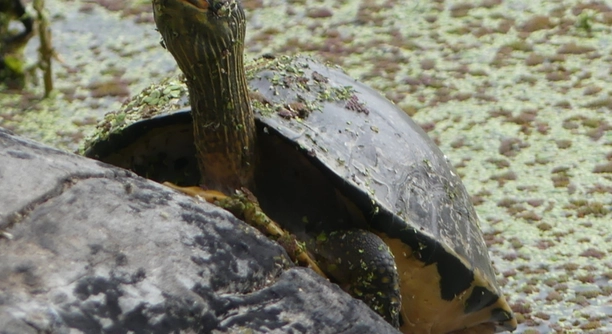
Do you ever notice your Indian Roofed Tortoise scratching its shell? It can be puzzling when our pets start behaving differently, especially when it comes to something as unique as a tortoise’s scratching habits.
Scratching in Indian Roofed Tortoises is often linked to natural behaviors like shedding old scutes, but it can also be a sign of stress, skin irritation, or discomfort. Regular observation and care are essential for ensuring your tortoise stays healthy.
Understanding why this happens can help you address potential problems early. Knowing how to manage these behaviors will keep your tortoise happy and thriving.
Why Tortoises Scratch Their Shells
Scratching is a natural behavior for many reptiles, including the Indian Roofed Tortoise. For tortoises, scratching may help shed old scutes, which are the outer layers of their shells. This process, called ecdysis, is vital for their growth and overall health. As the tortoise’s body grows, the old scutes need to come off to make room for new, larger ones. However, scratching can also signal something else. In some cases, it may indicate that the tortoise is experiencing irritation or discomfort, either from environmental factors or health issues.
Sometimes, the scratching is more than just a normal behavior. If a tortoise is scratching excessively, it might be trying to relieve discomfort caused by rough surfaces in their habitat, an incorrect diet, or even an underlying infection. The scratching may be frequent and more intense if the tortoise is stressed or trying to address skin irritation. It’s essential to watch your tortoise’s behavior to understand if it’s simply shedding or if something else requires attention.
Taking a close look at the conditions around your tortoise and understanding what might trigger scratching will help in caring for it properly. Whether it’s habitat changes or diet adjustments, ensuring the comfort of your pet can reduce unnecessary scratching.
The Role of Shell Health
Shell health is an important aspect of your tortoise’s overall well-being. Healthy shell growth can be affected by a variety of factors, including diet, humidity, and UV exposure. A well-balanced diet with adequate calcium is vital for maintaining strong, healthy shells. If the tortoise’s shell is not growing properly, it could lead to discomfort and scratching.
Without proper UVB lighting, tortoises may struggle with calcium absorption, which is crucial for the development of a healthy shell. Inadequate lighting can lead to softening or deformities of the shell, making scratching more frequent. Additionally, improper humidity levels can cause the scutes to dry out, leading to difficulty shedding. Both of these factors can make your tortoise uncomfortable and encourage it to scratch its shell.
Maintaining a balanced diet, ensuring proper lighting, and keeping the humidity levels right will support healthy shell development and reduce the chances of scratching. Make sure your tortoise has access to calcium-rich foods and is getting the UVB light it needs to absorb this important nutrient.
Stress and Anxiety in Tortoises
Tortoises can experience stress, and scratching might be their way of showing it. Stress in tortoises can come from changes in their environment, like moving to a new home, or even from overcrowding in their enclosure. Tortoises are creatures of habit, and when their surroundings are disrupted, they might scratch to cope.
If your tortoise seems stressed, it’s essential to assess its habitat. Are there any loud noises, sudden temperature changes, or overcrowding that might be affecting it? The enclosure should provide ample space for the tortoise to move comfortably and be free from disturbances. Stress can weaken your tortoise’s immune system and make it more susceptible to infections, further contributing to excessive scratching.
Adding hiding spots, consistent temperatures, and quiet surroundings can ease your tortoise’s stress. Keep a close eye on its behavior to spot the signs of stress early on. If the scratching persists despite environmental changes, it may be time to look for other potential causes.
Proper Enclosure Setup
The setup of your tortoise’s enclosure plays a huge role in its comfort. A suitable habitat allows your tortoise to feel safe and secure. If the enclosure is too small or lacks hiding spots, it can lead to feelings of insecurity, which may manifest as excessive scratching. Tortoises need enough space to move around and explore.
Providing a comfortable substrate is also essential. Too rough or abrasive surfaces can irritate your tortoise’s shell, leading to unnecessary scratching. Opt for substrates like coconut coir or organic soil, which are soft but allow the tortoise to dig and move around. Proper ventilation is another factor to consider. Poor airflow can increase humidity levels, causing skin irritation and promoting excessive scratching.
By setting up an environment that mimics natural conditions, you’ll help your tortoise feel more at ease. A happy tortoise will be less likely to scratch excessively, as it won’t be constantly trying to escape an uncomfortable space.
Skin Irritation and Infections
Skin irritation is another common reason your tortoise may scratch its shell. Dry skin, fungal infections, or even parasites like mites can cause discomfort. If the scratching becomes intense or frequent, it’s important to check for signs of infection or skin damage, which may need veterinary attention.
Sometimes, infections are the result of unsanitary living conditions. Excess moisture, dirty bedding, or lack of proper cleaning can contribute to skin issues. Regular cleaning of the enclosure and proper humidity levels will help reduce the risk of irritation.
Diet and Calcium Deficiency
A lack of calcium can contribute to shell problems and scratching. Tortoises need a diet rich in calcium to maintain healthy shell growth. Without enough calcium, their shells may become soft or deformed, leading to discomfort and scratching.
To prevent calcium deficiency, make sure your tortoise has access to calcium-rich foods, such as dark leafy greens or calcium supplements. Without the right nutrients, your tortoise might start scratching more frequently due to discomfort caused by poor shell health.
FAQ
Why does my tortoise scratch its shell so much?
Excessive scratching is often a sign of discomfort. Tortoises scratch their shells to shed old scutes, but it can also point to other issues like skin irritation, stress, or poor shell health. If the scratching is more frequent than usual, it could indicate a problem that needs attention. Checking the habitat, diet, and overall health of your tortoise is essential to determine the cause.
How can I tell if my tortoise is stressed?
Stress in tortoises can show in many ways, including excessive scratching, hiding more than usual, or eating less. Changes in their environment, like moving to a new space or loud noises, can be a big trigger. If your tortoise seems more restless or withdrawn, it may be stressed.
Can a dirty enclosure cause my tortoise to scratch its shell?
Yes, unsanitary conditions can lead to skin irritation, infections, and discomfort. Dirty bedding or stagnant water increases the chances of your tortoise developing fungal infections or parasite infestations, both of which can cause scratching. Regularly cleaning the enclosure and changing bedding will help prevent this.
How do I keep my tortoise’s shell healthy?
To keep your tortoise’s shell healthy, provide a proper diet that includes calcium-rich foods, like dark leafy greens. Ensure it gets enough UVB light to help with calcium absorption, and maintain appropriate humidity levels in the enclosure. Regular shell inspections will also allow you to spot any problems early.
Can I fix my tortoise’s shell if it’s soft or deformed?
Soft or deformed shells often indicate a calcium deficiency or improper UVB lighting. The best course of action is to adjust the diet by adding more calcium-rich foods or supplements. Additionally, ensure that your tortoise has proper access to UVB light, which is essential for calcium metabolism.
What are the signs of a skin infection in my tortoise?
Signs of a skin infection include redness, swelling, pus, or sores on the shell or skin. If your tortoise is scratching and you notice any of these signs, it’s important to take it to the vet as soon as possible. Skin infections can be serious and may require antibiotics or other treatments.
Should I be concerned if my tortoise is scratching only at one spot on its shell?
Scratching at one spot could indicate localized irritation or a problem in that specific area. This might be caused by a stuck scute, injury, or infection. Examine the area carefully for any signs of damage or infection. If the scratching persists, it’s best to consult with a veterinarian.
How often should I clean my tortoise’s enclosure?
You should clean your tortoise’s enclosure regularly to maintain a healthy environment. Spot clean any waste or debris daily, and do a full cleaning at least once a week. Changing the substrate regularly and cleaning water dishes will also help prevent infections and skin irritations that may cause scratching.
Can I use a humidifier in my tortoise’s enclosure?
Yes, a humidifier can be helpful if the air is too dry for your tortoise. Humidity levels should be monitored to ensure they are in the appropriate range for your species of tortoise. A too-dry environment can lead to shell problems, including difficulties in shedding, which can result in increased scratching.
What type of substrate is best for my tortoise’s enclosure?
Soft, natural substrates like coconut coir, organic soil, or a mix of sand and soil are ideal for tortoises. These materials allow them to dig and move comfortably. Avoid using sand alone or any abrasive materials, as they can irritate your tortoise’s skin and shell, leading to excessive scratching.
Can stress cause my tortoise to scratch its shell more often?
Yes, stress can cause scratching. Tortoises, like other animals, react to stress by engaging in behaviors like scratching, pacing, or hiding. Factors like a noisy environment, overcrowding, or changes in the habitat can stress out your tortoise. Try to create a calm, quiet environment to help reduce stress and discourage excessive scratching.
How much UVB light does my tortoise need?
Tortoises need 10-12 hours of UVB light daily. This helps them metabolize calcium and maintain a healthy shell. If you’re using a UVB light, make sure it’s the right type for your species and replace it regularly, as UVB bulbs lose effectiveness over time.
What if my tortoise is scratching but doesn’t show any signs of illness?
If your tortoise is scratching but seems otherwise healthy, it might just be shedding its scutes. However, it’s still important to monitor its behavior and ensure it has the proper diet, lighting, and humidity. Keep an eye out for changes in eating or behavior that might suggest another underlying issue.
Can I give my tortoise a bath to help with scratching?
A bath can help your tortoise shed old scutes and stay hydrated, which may reduce some scratching. Be sure to use lukewarm water and don’t submerge the tortoise for too long. Avoid using soaps or chemicals in the water, as they could irritate your tortoise’s skin.
Should I be concerned if my tortoise is scratching its shell every day?
Daily scratching could be a normal part of your tortoise’s routine, especially if it is shedding scutes. However, if it seems excessive or accompanied by other signs of discomfort, like swelling, redness, or a lack of appetite, it may be time to consult with a vet.
Can a lack of exercise cause my tortoise to scratch its shell?
Lack of exercise alone isn’t typically a cause of scratching, but a lack of space in the enclosure may lead to stress, which can cause scratching. Providing a larger, more enriched environment will help your tortoise stay active and reduce stress.
What should I do if my tortoise’s scratching turns into bleeding or injury?
If your tortoise’s scratching leads to injury or bleeding, it’s important to get it treated immediately. Clean the wound with mild saltwater and keep the tortoise in a clean, calm environment. A visit to the vet is necessary to ensure proper healing and avoid infection.
Final Thoughts
Scratching in your Indian Roofed Tortoise can be a normal part of their behavior, especially when they are shedding their scutes. However, it’s important to pay attention if the scratching becomes excessive or if there are other signs of discomfort. The cause of the scratching could range from natural shedding to stress, skin irritation, or even a calcium deficiency. By observing your tortoise closely and understanding its environment and habits, you can identify whether the scratching is something to be concerned about or just a part of their normal routine.
It’s essential to ensure that your tortoise has a proper enclosure with the right humidity, temperature, and space to roam. A comfortable and safe habitat reduces stress and encourages natural behaviors. If your tortoise is scratching more than usual, try adjusting its living conditions. Make sure the environment is clean and that your tortoise has access to a balanced diet, including calcium-rich foods and the right UVB lighting. A proper diet is crucial for maintaining a healthy shell, which in turn can help reduce scratching. Regular maintenance of its enclosure will help avoid infections and irritations, which could contribute to the scratching behavior.
If you notice that your tortoise’s scratching is linked to other symptoms such as swelling, injury, or a change in appetite, it may be time to consult a veterinarian. A professional can help identify if the issue is related to an underlying health problem, like an infection or nutritional deficiency. Taking care of your tortoise’s overall health and well-being will not only reduce unwanted behaviors like scratching but also ensure that your pet stays happy and healthy for years to come.

Hello,
If you enjoy the content that we create, please consider saying a "Thank You!" by leaving a tip.
Every little bit helps us continue crafting quality advice that supports the health, happiness, and well-being of pets around the world, for pets of all shapes, sizes, and species.
We really appreciate the kindness and support that you show us!