
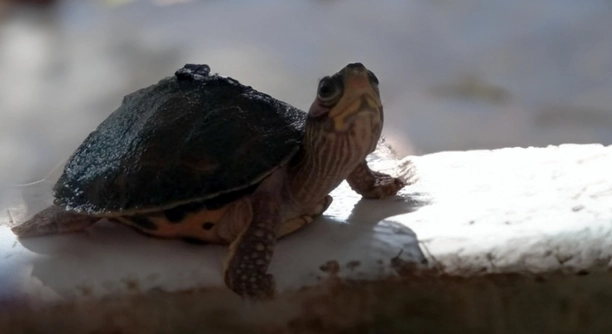
Indian Roofed Tortoises can develop overgrown beaks, which can affect their health and daily activities. Knowing how to prevent this is essential to ensuring they thrive in their environment.
To prevent overgrown beaks, regular dietary management, proper habitat maintenance, and appropriate chewing materials are vital. Ensuring that your tortoise has opportunities to naturally wear down its beak can prevent excessive growth.
This article will provide simple yet effective strategies to help you prevent beak overgrowth in your tortoise. Keeping your pet healthy starts with understanding the key factors behind this common issue.
Provide a Balanced Diet
A balanced diet is key to your tortoise’s overall health. Their diet should include a variety of leafy greens, grasses, and vegetables to ensure they receive the right nutrients. It’s crucial to include calcium-rich foods, as calcium helps with proper shell and beak growth. Overfeeding certain high-protein foods can lead to an imbalance that affects their beak. Make sure to avoid sugary fruits or too much protein, as it can contribute to excessive beak growth. Offer fresh water daily to ensure hydration, as dehydration can also affect their feeding and overall health.
Proper feeding habits prevent the development of overgrown beaks. You should focus on providing a diet with plenty of fiber, which will help keep your tortoise’s beak naturally worn down. Additionally, avoid feeding your tortoise too many processed or high-fat foods. These foods contribute to unhealthy growth and can lead to various health issues.
By following a proper feeding routine, you can help your tortoise maintain a healthy beak. Calcium and fiber are essential for your tortoise’s development. These two nutrients work together to keep their beak in good condition. Over time, you’ll notice improvements in their health and a reduction in any overgrowth issues.
Provide Chewing Materials
Tortoises naturally need things to chew on to keep their beaks trimmed and healthy. Providing safe chewing materials is essential for preventing overgrowth. Options such as rocks, sticks, or specially designed tortoise chew toys are great choices. These items allow your tortoise to naturally wear down their beak through consistent gnawing.
Chewing is an essential part of a tortoise’s daily life, helping to maintain beak length and sharpness. Offering items like rough-surfaced rocks or pieces of wood can mimic their natural environment. Over time, this will ensure that their beak remains in proper condition without needing constant trimming.
Additionally, having these materials available helps mimic the natural wear and tear that happens in the wild. It keeps their beak and teeth at an appropriate length, reducing the chance of excessive overgrowth. If your tortoise isn’t chewing enough, consider adding more textured items or even replacing them regularly to keep them engaged.
Maintain a Clean Habitat
A clean habitat is crucial for your tortoise’s well-being. Ensure that their enclosure is regularly cleaned to prevent the build-up of waste and bacteria, which can lead to health problems. Filthy conditions can also cause stress, leading to abnormal eating habits or behavior. Maintaining a tidy space ensures that your tortoise remains healthy and stress-free.
A clean environment means not just a tidy enclosure, but also regular washing of food and water containers. Dirty surfaces can lead to infections that affect your tortoise’s ability to eat properly. An unclean habitat may also increase the risk of parasites, which can weaken your pet’s immune system.
Additionally, cleaning helps you monitor for any abnormal growth in your tortoise’s beak. By keeping their space clean, you ensure their overall health and make it easier to spot any signs of potential issues. This step is simple but essential for maintaining a healthy, thriving tortoise.
Provide Proper Lighting and Temperature
Proper lighting and temperature are essential for your tortoise’s health. Tortoises need a basking area that provides adequate heat, simulating their natural environment. The temperature should be carefully controlled to ensure they have a warm area for digestion and a cooler area to retreat to when needed. A proper heat gradient promotes overall well-being, including healthy beak growth.
Without the right temperature and lighting, your tortoise could struggle with digestion, which directly affects its health. Insufficient warmth can cause your tortoise to become lethargic, affecting their feeding habits and natural behavior. This can result in improper nutrition and potential beak overgrowth. Maintaining a stable, appropriate environment will support their ability to chew and eat well, reducing the risk of overgrown beaks.
If the lighting is insufficient, your tortoise may not produce enough vitamin D3, leading to calcium deficiency. This imbalance can hinder proper beak development and lead to overgrowth. Ensuring they have access to UVB light helps their body absorb calcium and maintain strong, healthy bones and beaks. Regular monitoring of light levels and temperature is a simple yet vital step to support their overall health.
Limit Protein Intake
Excess protein in your tortoise’s diet can contribute to overgrown beaks. Too much protein leads to rapid growth, which can overwhelm the natural wear process. Be mindful of the foods you offer to prevent imbalances. A proper diet ensures they stay healthy without encouraging excessive growth.
It’s important to remember that tortoises need protein, but in moderation. Offering too many high-protein foods like animal-based proteins can cause health issues. Instead, focus on providing plant-based options such as leafy greens, which help support balanced growth without encouraging abnormal beak development.
Monitor Beak Growth Regularly
Regularly checking your tortoise’s beak is key. If it starts to grow too long or becomes misaligned, it can be a sign of improper diet or habitat conditions. Early intervention can prevent more severe problems from developing. Keep an eye on their beak as part of your regular health checks.
Over time, monitoring your tortoise’s beak will help you catch any growth issues early. If you notice any abnormalities, such as uneven growth or overgrowth, it may be necessary to adjust their diet or provide additional chewing materials. Routine checks make it easier to maintain their health.
Schedule Regular Vet Check-ups
Regular vet check-ups are essential for preventing beak overgrowth and addressing other health concerns. A vet can spot early signs of beak issues and provide guidance on how to manage them. Routine visits ensure your tortoise gets professional care, preventing long-term damage from poor health.
FAQ
What causes a tortoise’s beak to overgrow?
A tortoise’s beak can overgrow due to various factors. The most common causes include an improper diet, lack of chewing materials, and inadequate environmental conditions. A diet too high in protein can lead to rapid growth, while a lack of opportunities to chew on natural materials, like rocks or wood, prevents the beak from naturally wearing down. Poor lighting and incorrect temperature in their enclosure can also affect their digestion and overall health, leading to abnormal growth.
How can I tell if my tortoise’s beak is overgrown?
You can tell if your tortoise’s beak is overgrown by visually inspecting it. An overgrown beak will appear longer, sometimes curling or misaligned. If you notice that your tortoise is struggling to eat or has difficulty picking up food, this could be a sign that the beak is interfering with normal function. Another indication is if your tortoise’s beak feels unusually sharp or rough when you gently touch it.
Can I trim my tortoise’s beak myself?
It’s not recommended to trim your tortoise’s beak yourself unless you have proper knowledge and experience. Trimming a tortoise’s beak incorrectly can cause injury or further issues. If you notice that your tortoise’s beak is overgrown, it’s best to consult a veterinarian who specializes in reptiles. A professional can safely trim the beak and give you advice on how to prevent future overgrowth.
What should I do if my tortoise’s beak is misaligned?
If your tortoise’s beak is misaligned, it can affect their ability to feed and could cause discomfort. The first step is to take them to a vet for an evaluation. Misalignment can sometimes be caused by improper diet, injury, or genetic factors. A vet may recommend specific treatments or adjustments to their diet and environment. In some cases, a vet may need to trim or adjust the beak.
Is it normal for my tortoise’s beak to grow continuously?
Yes, tortoises’ beaks grow continuously, just like their nails and shells. However, in the wild, they naturally wear down their beaks by chewing on plants, rocks, and other natural materials. In captivity, it’s essential to provide opportunities for them to do the same. If the beak grows too quickly or doesn’t wear down naturally, it can become overgrown, leading to health problems.
What kind of food helps prevent beak overgrowth?
To prevent beak overgrowth, offer a balanced diet rich in leafy greens, grasses, and fibrous vegetables. Foods like dandelion greens, collard greens, and clover are excellent choices. Avoid feeding your tortoise too much protein or sugary fruit, as these can contribute to unhealthy growth. The right diet helps maintain their overall health and supports normal beak growth.
How often should I check my tortoise’s beak?
You should check your tortoise’s beak regularly, about once a month or during their routine health checks. This allows you to spot any issues early, such as overgrowth, misalignment, or damage. Regular checks will also help you identify any problems related to their diet or environment, so you can address them promptly before they become more serious.
Can my tortoise live with an overgrown beak?
While a tortoise can technically survive with an overgrown beak, it can cause significant problems in the long term. An overgrown beak can make eating and drinking difficult, leading to malnutrition. It can also cause discomfort or pain, affecting your tortoise’s overall well-being. To ensure your tortoise’s health, it’s important to address beak overgrowth as soon as possible.
What are some signs that my tortoise’s beak is causing problems?
Signs that your tortoise’s beak is causing problems include difficulty eating, loss of appetite, or changes in behavior such as lethargy. If their beak appears excessively long, cracked, or misaligned, it can interfere with normal feeding. You may also notice a lack of chewing or biting, as an overgrown beak makes it harder for your tortoise to grasp or break down food.
How can I prevent beak overgrowth in my tortoise?
Preventing beak overgrowth involves several key steps: providing a balanced diet, offering ample chewing materials (like rocks or wood), ensuring proper lighting and temperature, and regular vet check-ups. A proper diet, rich in fiber and low in protein, supports natural beak wear. By mimicking their natural environment, you can help your tortoise maintain a healthy, well-trimmed beak.
Can an overgrown beak affect my tortoise’s behavior?
Yes, an overgrown beak can affect your tortoise’s behavior. Difficulty eating may cause them to become more lethargic or stressed. If they can’t chew properly, they might avoid food or seem frustrated. Their natural instinct is to feed regularly, and an overgrown beak can disrupt this process, leading to behavioral changes.
Is there a specific age when beak overgrowth becomes a concern?
Beak overgrowth can become a concern at any age if the tortoise’s diet or environment is not properly managed. However, it’s more common in older tortoises or those that have been in captivity for a long time. Young tortoises may experience some minor growth issues, but these are typically less frequent and can be managed with proper care.
What type of substrate should I use to help with beak wear?
Choosing the right substrate can also help with beak wear. A rough, natural substrate like sand, dirt, or fine gravel can encourage your tortoise to chew and wear down their beak as they move around. Avoid using soft or synthetic materials, as they don’t provide the same benefits for beak maintenance. A more natural environment will help mimic their wild habitat, contributing to their overall health.
Can beak overgrowth be a sign of other health problems?
Yes, beak overgrowth can be an indication of other underlying health issues, such as calcium deficiency or metabolic bone disease. If your tortoise’s beak grows abnormally fast or becomes misshapen, it may point to problems with their diet or care. If left unaddressed, these issues can lead to more severe complications, so it’s important to seek veterinary advice.
Final Thoughts
Maintaining a healthy beak for your Indian Roofed Tortoise is essential to its overall well-being. Beak overgrowth can cause discomfort, make eating difficult, and potentially lead to other health issues if left unchecked. The good news is that preventing beak overgrowth is manageable with a few simple steps. Ensuring that your tortoise has a balanced diet, proper lighting, and access to chewing materials like rocks or wood can help keep their beak in check. Regular health checks will allow you to catch any issues early and address them before they become serious.
Along with proper diet and environmental conditions, routine visits to a vet can make a big difference. A vet can provide professional advice, ensure your tortoise is healthy, and trim their beak if necessary. These visits are especially important for spotting underlying problems such as calcium deficiencies or other health conditions that might contribute to overgrowth. Remember, a little prevention goes a long way in keeping your tortoise happy and healthy. By staying on top of their care, you’re setting them up for a long, healthy life.
While beak overgrowth might seem like a minor issue, it can have a significant impact on your tortoise’s ability to feed, leading to malnutrition and discomfort. Keeping your tortoise’s beak in check requires consistent attention and care, but the effort is well worth it. By ensuring that your tortoise has everything it needs to thrive, from the right diet to a safe, enriching environment, you can prevent beak issues and help your tortoise live a healthy, fulfilling life.

Hello,
If you enjoy the content that we create, please consider saying a "Thank You!" by leaving a tip.
Every little bit helps us continue crafting quality advice that supports the health, happiness, and well-being of pets around the world, for pets of all shapes, sizes, and species.
We really appreciate the kindness and support that you show us!