
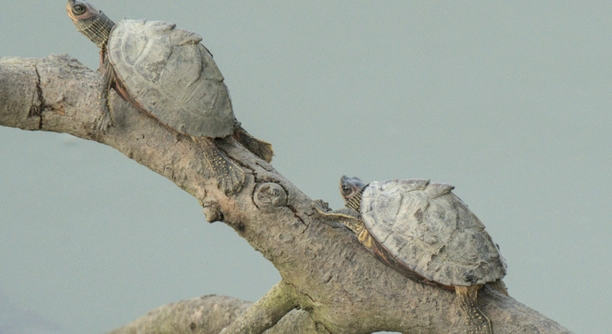
Observing your Indian Roofed Tortoise can reveal much about its behavior and personality. These creatures have unique ways of showing their preferences, habits, and even moods, which can be fun to observe.
Understanding the personality of your Indian Roofed Tortoise can be achieved through careful observation of its behavior, including its feeding habits, interaction with the environment, and reactions to different stimuli. These signs provide insight into its character.
Learning how your tortoise responds to various situations will help you connect with its individual personality. Exploring these behaviors will also allow you to create a better environment for your pet.
Watch How It Eats
The way your Indian Roofed Tortoise eats can reveal a lot about its personality. Tortoises are known to be slow and methodical eaters, but they can show preferences for certain foods. Some may focus on leafy greens, while others might enjoy fruits more. If your tortoise is quick to devour its meals, it could be a sign of its active nature or high energy. Alternatively, a slow and cautious eater may reflect a more laid-back temperament.
Understanding its eating habits can help you see if it’s content or might be feeling stressed. Tortoises are creatures of habit and may prefer the same food daily. Notice how often it eats, and observe any changes in appetite.
Tortoises might not eat as much if they’re feeling off or if the temperature around them isn’t ideal. Keep an eye on their eating patterns to ensure they stay healthy. If you notice any drastic changes, it could indicate that something is bothering them. This can be an easy way to spot changes in your pet’s behavior.
Notice Its Activity Level
Activity is another key indicator of your tortoise’s personality. Some tortoises are naturally more curious and energetic, while others prefer to stay in one spot and observe.
An active tortoise enjoys exploring, climbing, and moving around its habitat. If your tortoise frequently roams around its space, it may be curious or looking for something. On the other hand, a tortoise that stays in one place for long periods may be more introverted or simply content with its environment.
Pay attention to its movements during the day. Tortoises that are particularly shy may take more time to adjust to new surroundings. This is a good time to ensure they feel comfortable and secure. Additionally, these subtle movements give you insight into whether your tortoise enjoys interaction or prefers solitude.
Observe Its Hiding Spots
Your Indian Roofed Tortoise may have a preferred hiding spot that can tell you more about its personality. A favorite hideaway could suggest a need for privacy or comfort. If your tortoise often seeks shelter in a specific area, it might be seeking safety or just a break from its environment.
Tortoises are known for being cautious animals. If they feel threatened or unsure about something in their environment, they might retreat to their favorite hiding spot. This behavior could show that your tortoise is a bit more reserved and likes to be in control of its space. Some tortoises may be more adventurous and hide less, exploring the habitat instead.
Observing how your tortoise uses its hiding spots also gives insight into its comfort level with its surroundings. If it’s more active and curious, it might spend less time hiding, indicating a more outgoing nature. If your tortoise hides a lot, consider the temperature and space it’s in, as these factors might influence its behavior.
Watch How It Reacts to Changes
Your tortoise’s response to changes in its environment can offer clues about its temperament. Whether it’s a new object in the enclosure or a change in lighting, tortoises often react differently depending on their personality. A curious tortoise may approach and inspect the change, while a more cautious one might retreat.
New objects in the habitat might excite a curious tortoise, while others could take their time to approach. Pay attention to how your tortoise reacts to slight shifts in its environment. Over time, you’ll start to notice patterns. A tortoise that is slow to react to changes may be more laid-back, while one that reacts quickly could be more alert or nervous.
Changes in the environment can also affect their behavior for days. If you’ve introduced new plants, décor, or changed the layout of the enclosure, observe if your tortoise is more cautious, exploratory, or indifferent. Its reaction can reveal if it prefers routine or thrives on novelty.
Pay Attention to Its Interaction with People
Your Indian Roofed Tortoise’s behavior around you can show how it feels about human interaction. Some tortoises may be more receptive to being handled, while others prefer to be left alone. Take note of how it behaves when you approach or pick it up.
If your tortoise approaches you or remains calm while you handle it, it could indicate that it enjoys interaction. However, if it hides or becomes tense, your tortoise may prefer solitude. Over time, you’ll notice how its comfort level changes with regular handling and how it reacts to your presence.
Tortoises are naturally cautious creatures, and their reactions to people may vary based on past experiences. Gently observe how your tortoise responds to your presence, and give it space if needed. Developing a trusting bond with your tortoise will allow you to understand its personality better.
Notice Its Response to Temperature
Temperature plays a significant role in the behavior of your tortoise. A comfortable temperature can make it more active, while extremes may cause it to slow down. Keep track of how your tortoise behaves in different conditions.
If the environment is too cold or too warm, your tortoise might become sluggish or retreat into its shell. Maintaining the right temperature will help you understand whether your tortoise enjoys being active or prefers resting. Over time, you’ll get a clearer picture of its ideal comfort zone.
Monitor Its Social Behavior
Your tortoise may interact with other animals or seem to prefer being alone. Social behavior can be a good indicator of its personality. Some may seem indifferent to other pets, while others may be more curious or social.
If your tortoise shows interest in other pets, it could suggest a more curious or interactive nature. Conversely, if it keeps its distance, it may enjoy its own company more. Over time, you’ll notice whether it prefers companionship or solitude when sharing space.
FAQ
How can I tell if my Indian Roofed Tortoise is stressed?
Stress in tortoises can show up in a variety of ways. If your Indian Roofed Tortoise is hiding more than usual, has a reduced appetite, or is more withdrawn, these could be signs of stress. Environmental changes, handling too often, or improper habitat conditions might cause these reactions. You should also watch for physical signs like scratching at the sides of its enclosure or an increase in defensive behavior. Make sure the temperature, humidity, and space are appropriate. If stress persists, a visit to the vet might be necessary.
How much interaction does my tortoise need?
Indian Roofed Tortoises are not overly social animals, but they still benefit from regular interaction. You don’t need to hold or play with them constantly, but spending time near them or talking to them can help establish a bond. It’s best to keep interaction gentle and not force them out of their shell. Let your tortoise decide when it wants attention, and always respect its space. Over time, you may notice that your tortoise becomes more comfortable with your presence.
What should I feed my Indian Roofed Tortoise?
The diet of your Indian Roofed Tortoise should primarily consist of leafy greens, grasses, and a variety of vegetables. Offer a mix of foods such as collard greens, dandelion greens, and clover. You can also provide occasional fruit as a treat, but don’t overdo it. Commercial tortoise pellets can be used, but fresh food should be the main part of the diet. Always ensure that the food is fresh and pesticide-free. Hydration is just as important, so provide clean water daily.
Is it normal for my tortoise to hide a lot?
Yes, it is normal for Indian Roofed Tortoises to hide or retreat to their favorite spots. This is part of their natural behavior. They may hide when they are feeling stressed, tired, or simply when they need some privacy. Ensure that the enclosure has suitable hiding spots, such as a cave or a dark corner, where your tortoise can feel secure. If it hides excessively, check for any environmental stressors or health issues, but occasional hiding is generally nothing to worry about.
How can I tell if my tortoise is healthy?
A healthy Indian Roofed Tortoise will have a bright, clear eye, an active and alert demeanor, and a well-shaped shell without visible cracks or damage. It should be eating regularly and drinking water. Pay attention to its poop, as any changes in consistency or color can signal a problem. You’ll also notice it moving around actively if it’s healthy. If your tortoise seems lethargic, has a loss of appetite, or exhibits any abnormal behavior, it’s best to consult a vet. Regular health check-ups are important for long-term care.
What kind of enclosure does my tortoise need?
Indian Roofed Tortoises need a spacious enclosure that allows them to move around freely. The habitat should include a warm basking area and a cooler, shaded area. The temperature should range from 75 to 85°F, with the basking spot reaching up to 90°F. The enclosure should be large enough to prevent your tortoise from feeling cramped. It’s also important to include natural substrates like soil or coconut coir and provide hiding spots for security. Avoid using sand or gravel, as they can cause digestive problems if ingested.
How do I handle my Indian Roofed Tortoise?
Handling your Indian Roofed Tortoise should be done gently and only when necessary. When picking it up, support its body fully to avoid stress on its legs. Keep it low to the ground in case it tries to escape. Avoid picking up your tortoise too often, as constant handling can cause stress. Let your tortoise come to you, rather than forcing interaction. Always wash your hands before and after handling to prevent the transfer of bacteria or dirt to the tortoise.
Can my tortoise live with other animals?
Indian Roofed Tortoises are typically solitary animals and may not get along well with other pets. They can be territorial, so housing them with other species, especially other tortoises, might cause aggression or stress. If you do plan on keeping it with other animals, make sure each animal has its own space to retreat to. Never force your tortoise to share a habitat with another animal if it shows signs of aggression or stress. It’s always best to monitor interactions closely and separate them if needed.
How often should I bathe my tortoise?
Bathing your tortoise once or twice a week is generally sufficient to keep it hydrated and clean. Gently place it in shallow, lukewarm water for about 15-20 minutes. This allows the tortoise to drink and helps keep its skin hydrated. Never use soap or any chemical cleaning products when bathing. Bathing is also a great opportunity to check for any signs of skin issues or injuries. Make sure the water is shallow enough for the tortoise to climb out if it feels uncomfortable.
Why is my tortoise not eating?
A loss of appetite in an Indian Roofed Tortoise can be caused by various factors, including environmental stress, changes in diet, or illness. Ensure that its habitat has the correct temperature, humidity, and lighting. Sometimes, it could be as simple as a change in food preferences. If your tortoise hasn’t eaten for several days, it’s worth checking for any health issues. Stress from too much handling or a noisy environment could also affect its appetite. If the issue persists, consult a vet to rule out any medical problems.
Final Thoughts
Observing your Indian Roofed Tortoise’s personality can be a rewarding experience. By paying attention to its behavior, eating habits, activity level, and reactions to different situations, you can learn a lot about what makes your tortoise unique. Every tortoise has its own way of responding to its environment, and understanding these traits will help you provide the best care possible. Whether it’s the way it reacts to changes or how it interacts with you, these signs give you a deeper insight into its comfort level and health.
Tortoises, by nature, can be independent creatures, so it’s important to respect their space and allow them to move at their own pace. However, with patience and time, you can build a connection with your pet. Regular observation and small interactions can lead to a better understanding of its needs and preferences. Keep in mind that tortoises don’t show affection in the same way as some other pets, but their personality still shines through in their habits and routines.
Ultimately, keeping your tortoise happy and healthy is about creating the right environment and responding to its behaviors. By monitoring its diet, activity, and comfort, you’ll be able to ensure that it thrives. Remember, each tortoise is different, so what works for one might not work for another. With the right care and attention, you’ll be able to enjoy the company of your Indian Roofed Tortoise for many years to come.

Hello,
If you enjoy the content that we create, please consider saying a "Thank You!" by leaving a tip.
Every little bit helps us continue crafting quality advice that supports the health, happiness, and well-being of pets around the world, for pets of all shapes, sizes, and species.
We really appreciate the kindness and support that you show us!