
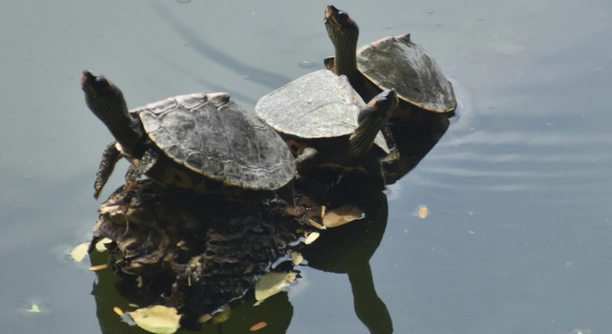
Do you ever find your Indian roofed tortoise rubbing its face on the ground and wonder if it is normal behavior? This action may seem strange, but it can indicate something important about your pet’s health or environment.
The most common reason why an Indian roofed tortoise rubs its face on the ground is due to skin irritation or an underlying health issue. This behavior can be caused by respiratory infections, parasites, dry skin, or even an unclean habitat.
Understanding why your tortoise does this can help you determine if it needs medical attention or a simple change in its environment. Keeping an eye on its habits is essential for ensuring its well-being.
Common Reasons for Face Rubbing
An Indian roofed tortoise may rub its face on the ground due to skin irritation, dryness, or a stuck piece of food. Sometimes, it is trying to remove debris from its eyes or nose. Environmental factors like low humidity or a dirty enclosure can contribute to this behavior. In some cases, it may indicate a health issue such as a respiratory infection, mites, or vitamin deficiencies. If the rubbing is frequent or aggressive, it is important to observe any other symptoms. Changes in appetite, wheezing, or swollen eyes may point to a medical problem.
If your tortoise only rubs its face occasionally, it may not be a major concern. However, repeated or intense rubbing should not be ignored. Identifying the cause early can prevent further complications.
A tortoise’s environment plays a big role in its health. Keeping the habitat clean and maintaining proper humidity can help prevent irritation. If the problem persists, consulting a reptile veterinarian is a good idea.
How to Help Your Tortoise
Making sure your tortoise’s habitat is clean and properly maintained can reduce face rubbing. Check for sharp objects, dry bedding, or food stuck around its mouth that may be causing discomfort.
If the enclosure is too dry, adding a humidity hide or misting the habitat lightly can help. A tortoise struggling with shedding may benefit from gentle soaks in lukewarm water. Diet also plays an important role, so ensure it is getting a variety of leafy greens and calcium supplements. If mites or infections are a concern, a vet visit is necessary. Look out for signs like swelling, excessive mucus, or labored breathing.
A healthy tortoise is an active and content one. Paying attention to small behaviors like face rubbing can prevent bigger problems. With proper care and attention, your tortoise can thrive in a safe and comfortable environment.
Signs That Something Is Wrong
If your tortoise is rubbing its face too often, it could mean something is wrong. Watch for signs like swollen eyes, excessive mucus, difficulty breathing, or loss of appetite. These symptoms may indicate an infection, parasites, or an issue with its environment.
A dirty enclosure can lead to bacterial infections, causing discomfort and irritation. If the habitat is too dry, your tortoise’s skin may become flaky, leading to excessive rubbing. Respiratory infections can make it hard for your tortoise to breathe, often causing it to rub its nose repeatedly. If parasites like mites are present, you might notice tiny red or black specks near the eyes and nose. Examining its skin, mouth, and overall behavior can help determine whether a vet visit is needed.
Preventing health problems starts with proper care. Regular cleaning, balanced nutrition, and proper humidity levels keep your tortoise healthy. If rubbing continues, medical attention may be required.
When to See a Vet
If your tortoise is rubbing its face aggressively, checking for other symptoms is important. Discharge from the nose, difficulty opening its eyes, or wheezing sounds can all point to an illness. A vet can diagnose the issue and recommend proper treatment.
Some infections require antibiotics, while mites or parasites may need specialized treatments. Delaying a vet visit can worsen the problem, making it harder to treat. If your tortoise stops eating or shows signs of discomfort, immediate care is necessary. Even small changes in behavior can indicate a bigger issue. A vet can also guide you on improving your tortoise’s habitat to prevent future problems.
Keeping a close eye on your tortoise’s habits helps catch problems early. With proper care and medical attention when needed, your tortoise can stay comfortable and healthy.
Preventing Face Rubbing
Maintaining a clean enclosure reduces the risk of infections and irritation. Spot-clean daily, remove uneaten food, and replace bedding regularly. Ensure the humidity levels match your tortoise’s needs to prevent dry skin and respiratory issues. A well-maintained habitat keeps your tortoise comfortable and healthy.
A balanced diet supports skin health and prevents vitamin deficiencies. Provide fresh leafy greens, calcium supplements, and clean water. Avoid feeding food that is too dry or difficult to chew, as this can cause mouth irritation. A proper diet strengthens the immune system and reduces the chances of health problems.
Safe Habitat Setup
A tortoise’s enclosure should have a soft, natural substrate to prevent irritation. Avoid rough or sharp materials that could cause discomfort. Provide hiding spots, smooth rocks, and a shallow water dish to create a comfortable and enriching space. A well-planned habitat promotes natural behaviors and prevents stress.
Final Thoughts
Observing your tortoise’s behavior helps detect problems early. Small changes in care, like adjusting humidity or cleaning more often, can make a big difference. A healthy tortoise is active, alert, and free from discomfort. Taking the right steps ensures a happy and thriving pet.
FAQ
Why does my tortoise rub its face on objects instead of the ground?
If your tortoise is rubbing its face on rocks, logs, or other objects, it may be trying to remove debris or loosen shedding skin. Sometimes, tortoises do this as a way to mark territory using scent glands. However, if the behavior is excessive, it could indicate irritation from mites, an infection, or dry skin. Check for signs of redness, swelling, or unusual discharge around the mouth, nose, or eyes. Ensuring the enclosure has proper humidity and a clean environment can help prevent these issues.
Can dry skin cause my tortoise to rub its face on the ground?
Yes, dry skin is a common reason for face rubbing. If the humidity in the enclosure is too low, your tortoise’s skin can become flaky and irritated. This can make it uncomfortable, leading to frequent rubbing. To prevent this, keep the humidity at appropriate levels based on your tortoise’s natural habitat. Soaking your tortoise in lukewarm water for 10–15 minutes a few times a week can also help with hydration and shedding. If dryness continues despite adjustments, consider consulting a vet to rule out other skin conditions.
Is face rubbing a sign of stress in tortoises?
Stress can sometimes cause unusual behaviors, including face rubbing. Changes in the environment, improper temperatures, overcrowding, or frequent handling can stress a tortoise. A stressed tortoise may also hide more often, refuse food, or become less active. If stress is the cause, reducing disturbances, maintaining a consistent routine, and providing a quiet, secure space can help your tortoise feel more comfortable.
Can mites or parasites cause my tortoise to rub its face?
Mites and parasites can make a tortoise’s skin itchy and irritated, leading to excessive face rubbing. Mites are tiny and may appear as red or black dots around the eyes, nose, or folds of skin. If you suspect mites, quarantine the tortoise and clean the enclosure thoroughly. A reptile-safe mite treatment may be necessary. If the problem persists, a vet can provide proper medication to eliminate the parasites safely.
Should I be worried if my tortoise rubs its face after eating?
It is normal for a tortoise to rub its face after eating if food gets stuck around its mouth. Some tortoises wipe their faces on the ground or objects to clean themselves. However, if the rubbing is aggressive or continues long after eating, check for signs of mouth infections, swollen gums, or irritation. Offering softer foods or ensuring the diet is well-balanced can help prevent mouth discomfort.
How do I know if my tortoise needs a vet visit for face rubbing?
If your tortoise’s face rubbing is frequent, aggressive, or accompanied by symptoms like swelling, mucus, difficulty breathing, or loss of appetite, a vet visit is necessary. These signs could indicate an infection, respiratory illness, or other medical conditions. A vet can diagnose the issue and provide the right treatment. Regular check-ups also help catch potential health problems early.
Can face rubbing be related to shedding?
Yes, tortoises shed skin in small pieces, and face rubbing can help remove loose skin. This is usually normal if there are no other signs of irritation or infection. Providing a shallow soaking dish and maintaining proper humidity can support healthy shedding. However, if shedding looks abnormal or comes with redness and swelling, it may indicate a skin infection or a deficiency.
What changes can I make to stop my tortoise from rubbing its face?
Keeping the enclosure clean, maintaining proper humidity, and providing a balanced diet can reduce face rubbing. Check for sharp objects, ensure bedding is soft, and make sure your tortoise has access to fresh water. Regularly inspect for any signs of illness and adjust the environment if needed. If the behavior continues despite these changes, a vet consultation is the best option.
Final Thoughts
Taking care of an Indian roofed tortoise means paying attention to small behaviors like face rubbing. While occasional rubbing is normal, frequent or aggressive rubbing could be a sign of a problem. Health issues, environmental factors, and dietary deficiencies can all contribute to this behavior. Keeping the habitat clean, ensuring proper humidity levels, and offering a well-balanced diet are simple ways to prevent irritation. If your tortoise is showing other symptoms like swelling, excessive mucus, or changes in appetite, it may need medical attention. Identifying the cause early can prevent more serious health problems from developing.
A tortoise’s environment plays a big role in its well-being. Dry conditions, rough surfaces, or dirty enclosures can cause discomfort, leading to excessive rubbing. Checking for sharp objects, replacing bedding regularly, and keeping the enclosure at the right humidity level can make a difference. Adding a shallow soaking dish and misting the habitat can help keep the skin hydrated. A good diet with fresh leafy greens and calcium supplements can also prevent nutritional deficiencies that may contribute to skin irritation. Regular monitoring and small adjustments to the habitat can help keep your tortoise comfortable and healthy.
If the face rubbing continues despite improving the habitat and diet, seeking professional advice is the best option. A vet can determine whether your tortoise has an infection, mites, or another underlying health issue. Early treatment can prevent further complications and ensure your tortoise remains in good health. Tortoises rely on their owners to provide the right care, and small changes can make a big impact on their overall well-being. Paying close attention to their behavior and maintaining a clean, well-balanced environment will help keep them happy and thriving for years to come.

Hello,
If you enjoy the content that we create, please consider saying a "Thank You!" by leaving a tip.
Every little bit helps us continue crafting quality advice that supports the health, happiness, and well-being of pets around the world, for pets of all shapes, sizes, and species.
We really appreciate the kindness and support that you show us!